
John 12:37 is about the fulfillment of the prophecy of Isaiah, showing that even though Jesus performed many miracles, not everyone believed in him as the Messiah.
Though he had done so many signs before them, they still did not believe in him,
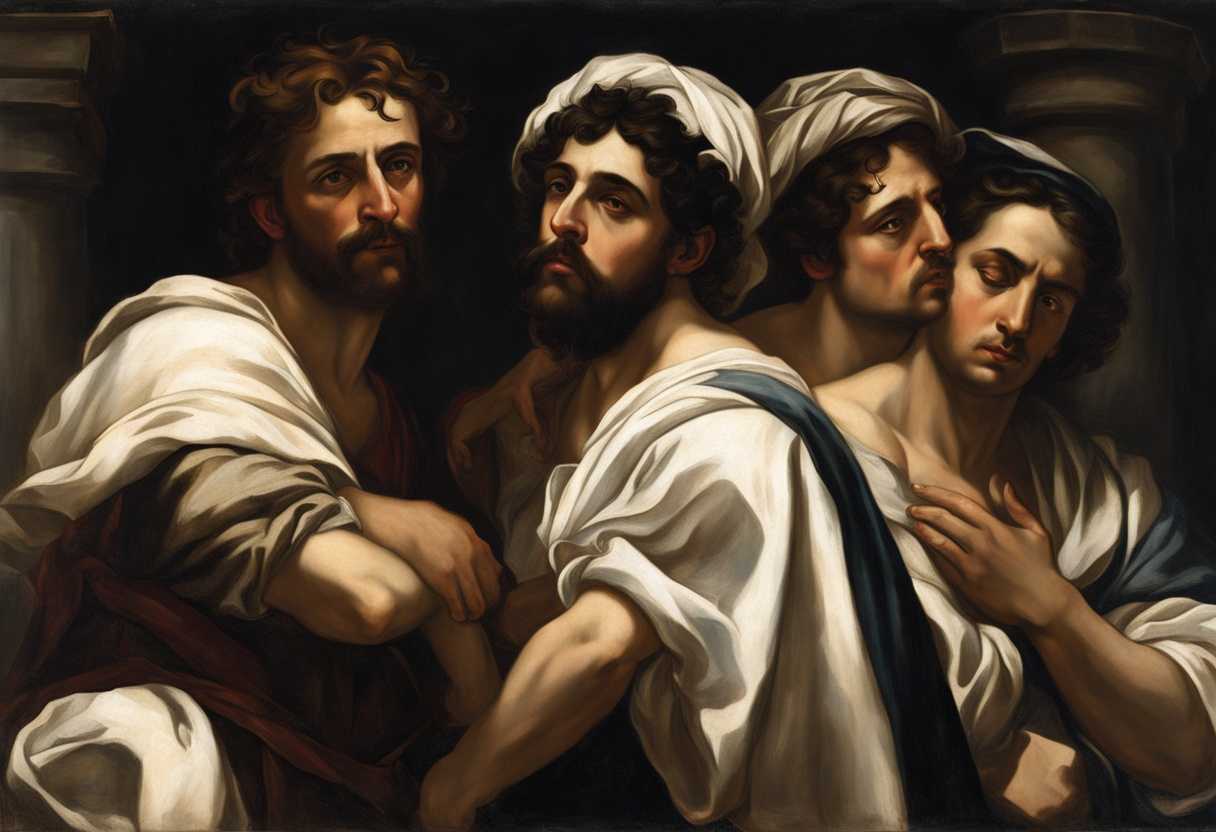
Setting the Scene for John 12:37
In John chapter 12, the scene is set in Jerusalem during the time of the Passover festival. The city is bustling with people from all over, coming to celebrate this important Jewish holiday. Among the crowd are Jesus and his disciples, who have come to Jerusalem for the Passover as well. The atmosphere is charged with anticipation and excitement as many have heard of Jesus’ miracles and teachings.
As Jesus walks through the streets of Jerusalem, a mix of emotions fills the air. Some are in awe of him, believing him to be the long-awaited Messiah, while others are skeptical and even hostile towards him. The religious leaders, particularly the Pharisees and the chief priests, are wary of Jesus and his growing influence among the people. They are plotting to put an end to his ministry, fearing that it may disrupt the status quo.
In the midst of this tension, the people are divided in their opinions about Jesus. Some are drawn to his message of love and redemption, while others are hardened in their hearts and refuse to believe. The scene is set for a dramatic turn of events as Jesus continues to challenge the religious authorities and reveal his true identity to those who have ears to hear and eyes to see.
What is John 12:37 about?
It’s truly intriguing how even when faced with undeniable evidence of His power, some people still struggled to believe in Jesus. This verse reminds us of the complexity of human nature and the different ways in which people respond to the same experiences. It prompts us to reflect on what it takes for us to believe in something beyond what our eyes can see and our minds can comprehend. How deep does our faith go? What barriers or doubts prevent us from fully embracing the miraculous work of God in our lives?
It’s a humbling reminder that belief is not always easy or straightforward, even for those who witnessed incredible miracles first-hand. It challenges us to examine our own hearts and minds and asks us to confront any doubts or skepticism we may hold. Let’s consider what it means to truly believe in something greater than ourselves, even when faced with doubt or uncertainty, as we ponder this verse. How can we cultivate a faith that is unwavering and steadfast, even in the face of adversity or disbelief?
Understanding what John 12:37 really means
In the Gospel of John, we encounter a pivotal moment where Jesus, after performing numerous signs and miracles, faces persistent unbelief from the people around Him. Despite the clear evidence of His divine nature through these miraculous works, there remains a reluctance to fully embrace Him. This reluctance to believe, even in the face of undeniable proof, raises profound questions about faith and human nature.
The phrase “Even after Jesus had performed so many signs in their presence” emphasizes the abundance of miraculous deeds Jesus carried out. These signs were not merely displays of power but were intended to reveal His true identity as the Son of God. Yet, the response of disbelief from the people highlights a fundamental aspect of human nature—the struggle to accept what is beyond our understanding.
Similarly, the phrase “They still would not believe in him” underscores the persistent skepticism and resistance to faith that can exist even in the presence of overwhelming evidence. This resistance to belief is not unique to the people in Jesus’ time but resonates with the struggles many face today in accepting the reality of the divine in their lives.
Drawing parallels to Old Testament prophecies and other biblical passages, we see a consistent theme of unbelief hindering the work of God. The echoes of Isaiah 53:1 and Matthew 13:58 serve as poignant reminders of the consequences of a hardened heart and a lack of faith. Hebrews 3:12 further warns against the dangers of allowing unbelief to separate us from the living God.
In our modern world, where skepticism and doubt often cloud our perception, the message of John 12:37 remains relevant. Just as the people in Jesus’ time struggled to believe despite witnessing miracles, we too may find ourselves grappling with doubts despite experiencing God’s blessings in our lives. This serves as a call to introspection and a challenge to confront our own spiritual blindness, seeking a deeper and more authentic faith.
Consider the individual who, despite experiencing blessings and successes, remains skeptical of God’s existence. Their struggle to believe despite the evident signs of divine presence mirrors the situation in John 12:37. It prompts us to examine our hearts and minds, acknowledging the ways in which we may be resistant to faith even when surrounded by God’s work in our lives.
As we reflect on John 12:37, we are encouraged to engage in self-examination, seeking areas in our lives where unbelief may be hindering our relationship with God. Let this verse serve as a catalyst for strengthening our faith, pushing us to trust in God’s plan even when uncertainties abound. By fostering a sense of community and support within our faith circles, we can navigate through doubts and uncertainties together, bolstering each other’s belief and fostering a resilient faith in the face of adversity.
By delving into the depth and context of John 12:37, we gain a richer understanding of the complexities of faith and disbelief. Let us take this message to heart, using it as a guide to cultivate a deeper, more unwavering faith in God, even amidst the challenges and uncertainties of life.
How can we truly believe in Jesus Christ?
We can truly believe in Jesus Christ by understanding the significance of the signs and miracles He performed during His time on earth. These signs were meant to point to His divinity and the fulfillment of Old Testament prophecies about the Messiah. When we reflect on these miracles and signs, we can see that Jesus is indeed the Son of God and the Savior of the world.
Belief in Jesus Christ also involves acknowledging His teachings and the message He brought to humanity. His words are filled with wisdom, love, and truth, and by embracing His teachings, we show our faith in Him. We demonstrate our genuine belief in Him by seeking to live out His commands and following His example.
Furthermore, true belief in Jesus Christ goes beyond mere intellectual assent. It requires a personal relationship with Him, a deep trust in His promises, and a willingness to surrender our lives to His will. When we accept Jesus as our Lord and Savior, we commit to following Him wholeheartedly and allowing His love and grace to transform us from within.
Application
Think about how Jesus’ miracles and teachings impact your everyday life, just like a reliable mentor at work or a guiding hand in your family. His actions reveal His divinity and urge you to believe in Him fully. Let these signs fuel your faith and inspire your daily choices. Will you step up and live your faith with courage, driven by His miraculous works?

Reverend Michael Johnson is an experienced Church Minister with a profound expertise in spirituality and guidance. With a serene presence and a compassionate heart, he has faithfully served his congregation for over 20 years, leading them on a spiritual journey towards inner peace and enlightenment. Reverend Johnson’s extensive knowledge of religious philosophies and profound understanding of human nature have made him a trusted confidant and mentor to many, as he seamlessly weaves his profound wisdom into life teachings. Reverend Johnson’s calming demeanor and empathetic nature continue to uplift and heal souls, nurturing a sense of unity and tranquility within his community.