
Leviticus 21:16-21 is about establishing guidelines for the priesthood, emphasizing the importance of maintaining physical perfection and avoiding any physical defects in order to faithfully represent and serve God.
16 And the Lord spoke to Moses, saying,
17 Speak to Aaron, saying, None of your offspring throughout their generations who has a blemish may approach to offer the bread of his God.
18 For no one who has a blemish shall draw near, a man blind or lame, or one who has a mutilated face or a limb too long,
19 or a man who has a broken foot or a broken hand
20 or a hunchback or a dwarf or a man with a defect in his sight or an itching disease or scabs or crushed testicles.
21 No man of the offspring of Aaron the priest who has a blemish shall come near to offer the Lord’s food offerings; since he has a blemish, he shall not come near to offer the bread of his God.
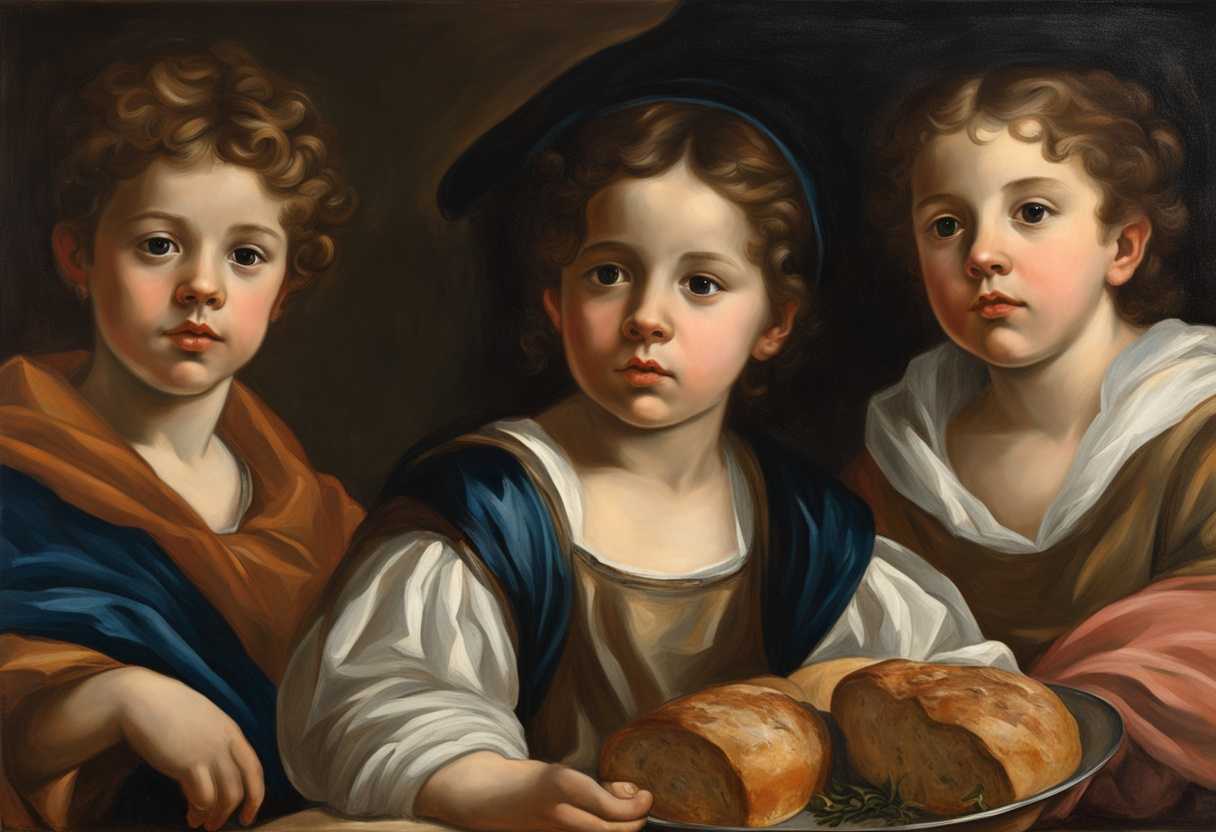
Setting the Scene for Leviticus 21:16-21
In Leviticus chapter 21, we find a scene set in the ancient Israelite camp during the time of Moses. The chapter outlines specific regulations for the priests, who were descendants of Aaron, regarding their physical blemishes and whom they could marry. As the sun sets over the camp, a group of priests gathers around a central fire, the crackling flames casting a warm glow on their faces.
Among them is Aaron, the high priest, distinguished by his elaborate garments and the ornate breastplate he wears. His sons, Eleazar and Ithamar, stand nearby, assisting him in the sacred duties of the tabernacle. The priests discuss the laws laid out in Leviticus 21, debating their implications and seeking to deepen their understanding of their role as mediators between the people and God.
The air is filled with the scent of incense and the sound of prayers being offered up on behalf of the community. As they reflect on the importance of holiness and purity in their service, the priests are reminded of the solemn responsibility that has been entrusted to them, to uphold the sanctity of the tabernacle and lead the people in worship and obedience to the Lord.
What is Leviticus 21:16-21 about?
Ah, the intricate regulations surrounding the qualifications and duties of priests in ancient times can definitely be intriguing, can’t they? This particular verse addresses the requirement for priests to have no physical defects in order to offer sacrifices. Now, why do you think this could be important?
Well, priests were seen as mediators between the people and the divine, and their role required them to embody a sense of purity and perfection. Any physical imperfections could symbolize a blemish on this purity, potentially disrupting the sacredness of the sacrificial offerings. It also served to emphasize the idea of presenting the best to the divine, reflecting a respect and reverence in the act of worship. Delving into verses like this allows us to understand not only the historical context and significance of these rules but also to reflect on the deeper meanings behind the rituals and practices of ancient religious traditions. It invites us to ponder how beliefs and customs shape our understanding of spirituality and the ways in which we approach the divine in our own lives.
Understanding what Leviticus 21:16-21 really means
In the book of Leviticus, we encounter a detailed set of laws given to the Israelites, focusing on holiness and the proper way to worship God. Chapter 21 specifically delves into the conduct and qualifications of priests, highlighting the necessity for them to be without physical defects to serve in the sanctuary. The phrase “The Lord said to Moses” underscores the divine origin of these laws, emphasizing that they are not mere human traditions but commands from God Himself. When it states, “No man who has any defect may come near,” it signifies the requirement for physical perfection in those who approach God as priests, symbolizing the holiness and purity necessary to stand before Him.
Furthermore, the directive that “He must not approach to offer the food of his God” stresses the sanctity of the offerings and the need for those presenting them to be unblemished. This concept of purity and perfection in service to God is echoed in related biblical passages such as Exodus 28:2-3, which describes the holy garments for Aaron and his sons, highlighting the need for priests to be set apart and holy. Hebrews 7:26-28 contrasts human priests who offered sacrifices for their sins with Jesus, the perfect high priest who is holy, blameless, and pure. Additionally, 1 Peter 2:9 refers to believers as a “royal priesthood,” emphasizing the call for all Christians to uphold a standard of holiness.
While the specific physical requirements for priests outlined in Leviticus may not directly apply to us today, the fundamental principle of approaching God with reverence and purity remains relevant. The New Testament teaches that all believers are priests, called to live holy lives and offer spiritual sacrifices acceptable to God. Consider the analogy of a craftsman meticulously selecting the finest materials for a special project. Just as the craftsman seeks perfection in his work, God desires those who serve Him to strive for holiness and purity. This doesn’t necessitate perfection, but rather a sincere heart and a desire to honor God in all we do.
Reflect on your own life and identify areas where you can pursue greater holiness and purity. While physical perfection is not the requirement, a heart devoted to God and a life that seeks to honor Him are essential. Remember that through Jesus, we are made holy and can approach God with confidence, despite our imperfections. Let us strive to embody the principles of holiness and purity in our daily lives, recognizing that our ultimate high priest, Jesus Christ, has made a way for us to draw near to God with assurance and gratitude.
How can we maintain spiritual purity in our lives?
Maintaining spiritual purity in our lives involves being mindful of our actions, thoughts, and intentions. We can strive for purity by keeping our hearts and minds focused on things that are good, pure, and uplifting. We can protect our spiritual well-being and maintain a sense of cleanliness within ourselves by avoiding negative influences and temptations.
Practicing self-discipline and cultivating virtuous qualities such as love, kindness, and compassion can also help us uphold spiritual purity. When we engage in acts of service, charity, and forgiveness, we not only purify our own souls but also contribute positively to the world around us. We can strengthen our spiritual resolve and remain steadfast on the path of righteousness by seeking God’s guidance and surrounding ourselves with people who share similar values and beliefs.
Application
Just as a skilled craftsman diligently refines his work, let us delicately refine our hearts to align with God’s calling for holiness. Take a moment to scrutinize your actions and motives, ensuring they resonate with God’s divine standards. Are you prepared to make the essential adjustments to walk hand in hand with God and bring honor to His name?

Reverend Michael Johnson is an experienced Church Minister with a profound expertise in spirituality and guidance. With a serene presence and a compassionate heart, he has faithfully served his congregation for over 20 years, leading them on a spiritual journey towards inner peace and enlightenment. Reverend Johnson’s extensive knowledge of religious philosophies and profound understanding of human nature have made him a trusted confidant and mentor to many, as he seamlessly weaves his profound wisdom into life teachings. Reverend Johnson’s calming demeanor and empathetic nature continue to uplift and heal souls, nurturing a sense of unity and tranquility within his community.