
Exodus 3:13 is about Moses asking God what name he should tell the Israelites when they inquire about who sent him, revealing God’s identity as “I AM WHO I AM.”
13 Then Moses said to God, “If I come to the people of Israel and say to them, ‘The God of your fathers has sent me to you,’ and they ask me, ‘What is his name?’ what shall I say to them?”
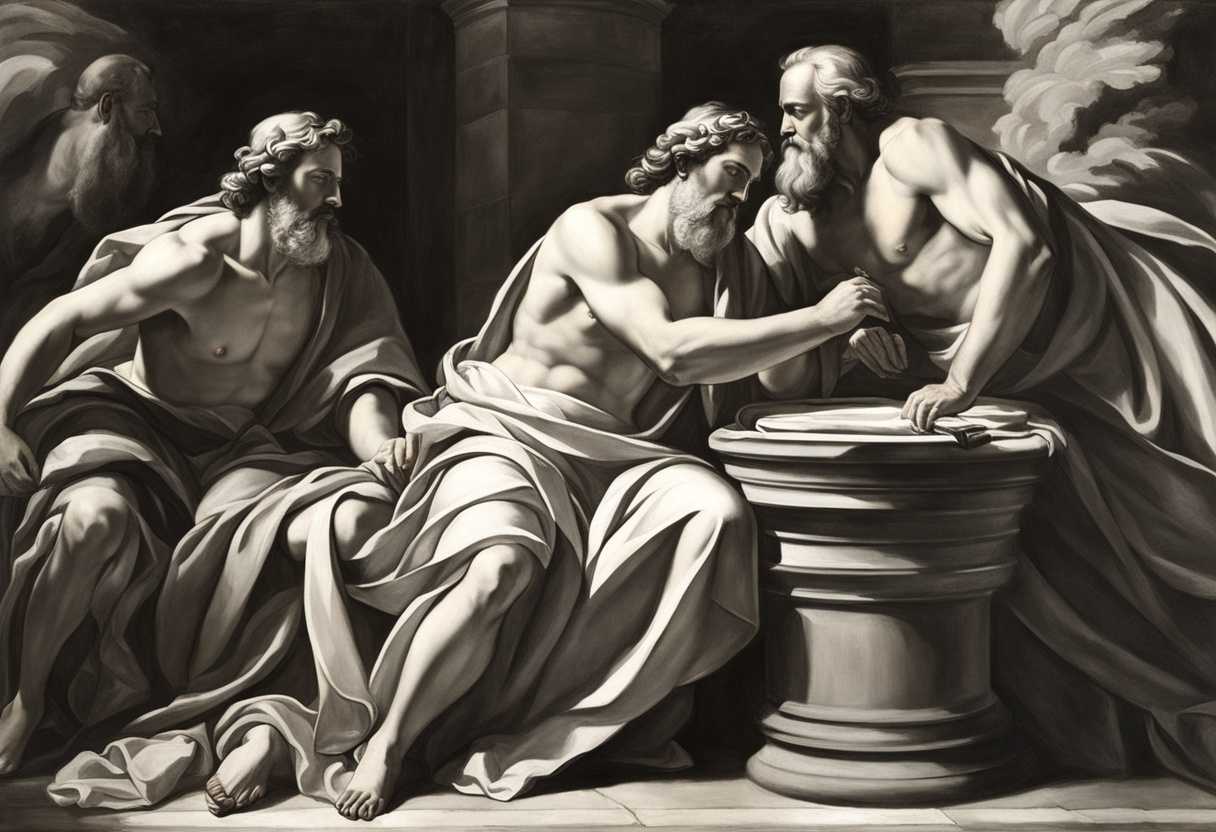
Setting the Scene for Exodus 3:13
In Exodus chapter 3, we find Moses, a former prince of Egypt turned shepherd, tending to his flock in the wilderness near Mount Horeb. The scene is set in the vast desert, with the scorching sun beating down on the rugged terrain. As Moses leads the sheep to find grazing land, he comes across a remarkable sight – a bush engulfed in flames, yet not consumed by the fire. Intrigued by this miraculous sight, Moses approaches the burning bush, unaware that he is about to encounter the presence of God.
As Moses draws near, a voice calls out to him from the midst of the flames, revealing itself to be the voice of the Lord. The conversation that follows between God and Moses is one of profound significance, as God commissions Moses to lead the Israelites out of slavery in Egypt. In this pivotal moment, Moses hesitates and questions his ability to fulfill such a monumental task, prompting God to reveal His divine nature and assure Moses of His presence and guidance.
Surrounded by the awe-inspiring presence of God, Moses stands humbled and awestruck before the burning bush, realizing that he is being called to a sacred and challenging mission. This encounter marks the beginning of a transformative journey for Moses, as he is called to step into his role as a leader and deliverer of his people, setting the stage for the epic narrative of the Exodus to unfold.
What is Exodus 3:13 about?
God asserts His eternal, self-existent nature when He reveals His name as “I AM WHO I AM” to Moses in this verse. God is declaring that He is the ultimate and only necessary being in existence. This phrase signifies that God is the one true God who has always existed and will always exist, without the need for external factors to sustain Him. God is affirming His unmatched power, authority, and sovereignty over all creation by using this name.
Have you ever pondered on the significance of God declaring Himself as “I AM WHO I AM”? It’s a powerful statement reminding us of God’s unchanging nature and undiminished power. This revelation serves as a comfort and a challenge – a comfort in knowing that we serve a God who is constant and unshakable, and a challenge to trust in His infinite wisdom and providence. Reflecting on this divine name can encourage us to place our trust fully in the eternal “I AM” who is always present and always faithful to His promises.
Understanding what Exodus 3:13 really means
In Exodus 3:13, we witness a pivotal moment in the life of Moses as he engages in a profound conversation with God at the burning bush. This encounter marks the beginning of God’s call for Moses to lead the Israelites out of Egypt, a task that would shape the course of history. As Moses grapples with the weight of this divine commission, he raises valid concerns about how he will be received by his people and what message he should convey to them. This dialogue between Moses and God not only reveals the personal nature of their relationship but also underscores the significance of clear communication in fulfilling God’s purpose.
When Moses questions God about how to address the Israelites, he seeks reassurance and guidance for the monumental task ahead. His inquiry, “What is his name?” reflects a deeper need to understand the authority and identity of the one sending him. By delving into the significance of God’s name, Moses acknowledges the importance of establishing trust and credibility among the Israelites, a crucial aspect of effective leadership. This moment encapsulates Moses’ humility and dependence on God for direction, setting a powerful example for believers today who navigate their own paths of purpose and calling.
The response from God in Exodus 3:14, “I AM WHO I AM,” unveils the eternal and self-existent nature of the Almighty. This divine declaration not only answers Moses’ question but also reveals God’s unchanging character and sovereignty. The continuity of God’s covenant with the patriarchs—Abraham, Isaac, and Jacob—is emphasized through the phrase, “The God of your fathers has sent me to you,” highlighting the enduring faithfulness of God throughout generations. This revelation serves as a foundation for understanding God’s identity and His unwavering commitment to His people.
As we explore the interconnectedness of biblical passages such as Genesis 15:7 and John 8:58, we witness the thread of God’s promises and divine presence woven throughout history. The promise to Abraham regarding the land of Canaan echoes the enduring faithfulness of God’s plan, while Jesus’ declaration in John 8:58 links Him to the divine name revealed to Moses. These connections underscore the timeless nature of God’s revelation and the fulfillment of His purposes through the ages, reinforcing the continuity of faith and the unfolding of His redemptive plan.
In a contemporary context, individuals often grapple with questions of identity, purpose, and divine guidance, mirroring Moses’ uncertainties at the burning bush. Just as Moses sought clarity and assurance from God, modern-day believers can find solace in the knowledge that God provides guidance and reveals Himself to those He calls. The narrative of Exodus 3:13 serves as a reminder of the importance of seeking God’s direction in the face of daunting challenges, trusting in His presence and sovereignty to lead us forward.
In conclusion, Exodus 3:13 invites us to reflect on the profound dialogue between Moses and God, highlighting the transformative power of seeking divine guidance in times of uncertainty. By embracing the lessons of clarity, trust, and continuity embedded in this passage, individuals can draw strength and direction for their own journeys of faith and purpose. Just as God equipped Moses for his monumental task, He equips and empowers those who heed His call, guiding them with unwavering love and steadfast presence.
Who is God, and how can we know Him?
God reveals Himself to Moses as “I AM WHO I AM” in Exodus 3:13.” This name signifies His eternal, self-existent nature and emphasizes His unmatched sovereignty and unchanging character. God affirms that He is the one true God who has always existed, is present in every moment, and will continue to exist for eternity by identifying Himself as “I AM.”
To know God, we can seek Him in prayer, study His Word, and cultivate a personal relationship with Him. Through the Bible, God unveils His nature, attributes, and desires for humanity, allowing us to understand Him more deeply. Communing with Him in prayer allows us to experience His presence, guidance, and peace, helping us grow in intimacy with the Almighty. We can know God more fully and walk in His ways by aligning our lives with His will and following His commandments.
Application
Unlock the timeless secrets of Exodus 3:13 like a master craftsman honing their skills. Let this verse be a beacon lighting your path towards a profound connection with the Divine. Delve deeper into His essence and fortify your belief in His plans. Will you embrace this divine awakening to strengthen your bond with God, follow His guidance, and bask in His endless affection?

Reverend Michael Johnson is an experienced Church Minister with a profound expertise in spirituality and guidance. With a serene presence and a compassionate heart, he has faithfully served his congregation for over 20 years, leading them on a spiritual journey towards inner peace and enlightenment. Reverend Johnson’s extensive knowledge of religious philosophies and profound understanding of human nature have made him a trusted confidant and mentor to many, as he seamlessly weaves his profound wisdom into life teachings. Reverend Johnson’s calming demeanor and empathetic nature continue to uplift and heal souls, nurturing a sense of unity and tranquility within his community.