
Exodus 34:6-7 is about illustrating the compassionate and just nature of God, highlighting His abundant mercy, forgiveness, and loyalty, balanced with His commitment to uphold justice and hold people accountable for their actions.
6 The Lord passed before him and proclaimed, “The Lord, the Lord, a God merciful and gracious, slow to anger, and abounding in steadfast love and faithfulness,
7 keeping steadfast love for thousands, forgiving iniquity and transgression and sin, but who will by no means clear the guilty, visiting the iniquity of the fathers on the children and the children’s children, to the third and the fourth generation.
Setting the Scene for Exodus 34:6-7
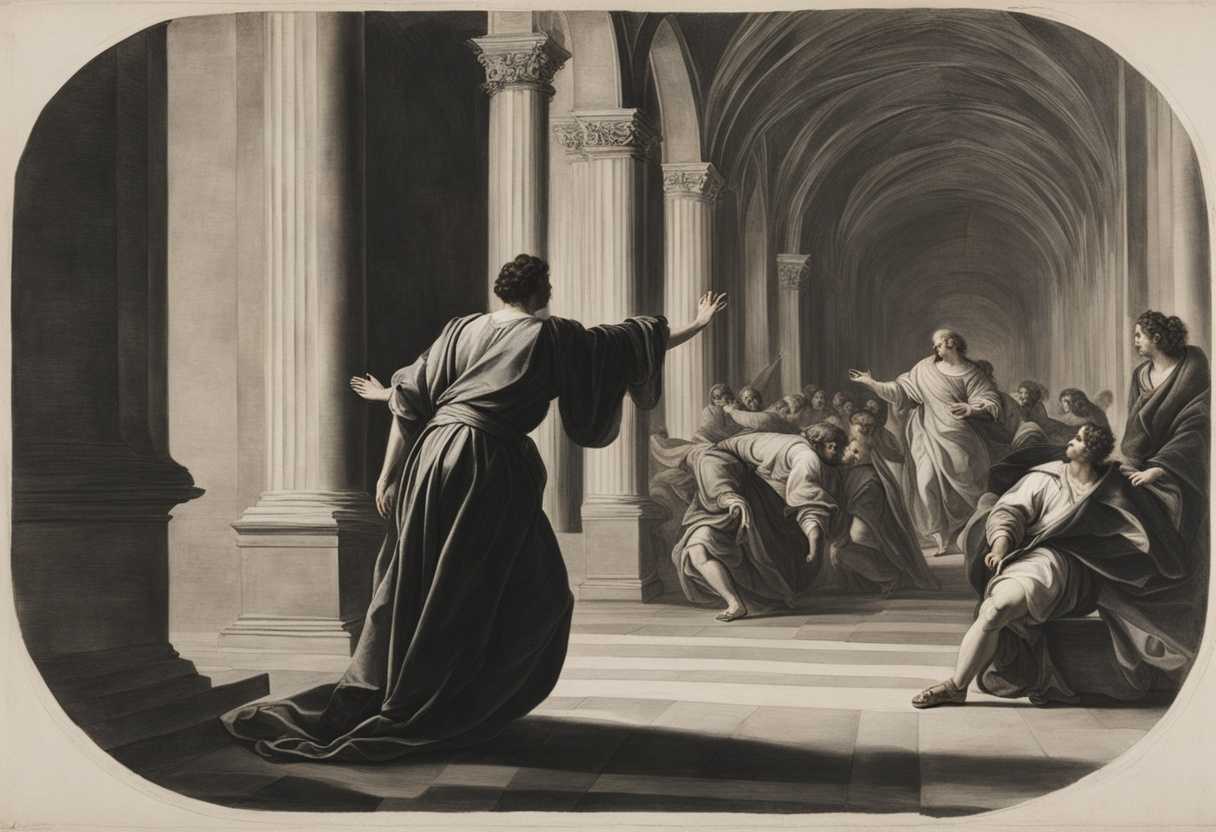
In Exodus 34:6-7, we find Moses standing on Mount Sinai, having just received the Ten Commandments from God. The scene is set amidst the grandeur of the mountain, with clouds swirling around its peak and the sound of thunder echoing in the distance. Moses is alone, his face radiant from being in the presence of the Almighty.
As Moses stands there, contemplating the words of the covenant he has just received, a sense of awe and reverence fills the air. Suddenly, a voice breaks through the silence, declaring, “The Lord, the Lord, the compassionate and gracious God, slow to anger, abounding in love and faithfulness, maintaining love to thousands, and forgiving wickedness, rebellion, and sin.” It is a moment of profound revelation, as God reveals His character and His intentions towards His people.
In this sacred moment, Moses is reminded of the mercy and compassion of God, despite the shortcomings of the Israelites. The words spoken resonate in his heart, reaffirming the covenant between God and His chosen people. The scene is one of divine encounter and profound significance, as Moses stands in the presence of the Almighty, humbled and grateful for the grace extended to him and his people.
What is Exodus 34:6-7 about?
This verse beautifully captures the essence of God’s character – it portrays Him as a loving and merciful being. Just imagine for a moment, a God who is compassionate, full of grace, patient beyond measure, and overflowing with unfailing love and faithfulness. How reassuring and comforting is it to know that such a divine being exists in our lives?
When we reflect on these attributes of God, it allows us to truly appreciate the depth of His love for us. It reminds us that no matter what challenges we face or mistakes we make, God’s love and faithfulness will always be there to guide us through. This verse invites us to ponder on the sheer magnitude of God’s love and mercy towards us, and inspires us to strive to embody these qualities in our own lives as well.
So, as you navigate through life’s ups and downs, may this verse serve as a powerful reminder of the incredible nature of God’s character. Let it fill your heart with gratitude and peace, knowing that you are always wrapped in the embrace of a compassionate, gracious, patient, loving, and faithful God.
Understanding what Exodus 34:6-7 really means
Introduction
In the sacred setting of Mount Sinai, God reveals His essence to Moses, unveiling the core of His being and His relationship with humanity. These verses from Exodus 34:6-7 serve as foundational pillars for comprehending God’s attributes and His interactions with His creation.
Key Phrases and Their Meanings
“The Lord, the Lord, the compassionate and gracious God” echoes God’s profound empathy and benevolence towards all that He has made. This declaration emphasizes His boundless kindness and understanding towards His people, resonating with the sentiment in Psalm 103:8, which describes Him as “compassionate and gracious, slow to anger, abounding in love.”
“Slow to anger, abounding in love and faithfulness” shines a light on God’s enduring patience and unwavering commitment to His children. This phrase underscores His steadfast love and faithfulness, mirroring the sentiment in 2 Peter 3:9, where it is expressed that God’s patience is a testament to His desire for all to find repentance.
“Maintaining love to thousands, and forgiving wickedness, rebellion and sin” showcases God’s boundless forgiveness and His expansive love that transcends generations. This profound willingness to forgive is a testament to His mercy and grace, as echoed in 1 John 1:9, where it is affirmed that God is faithful and just to forgive those who confess their sins.
“Yet he does not leave the guilty unpunished” strikes a balance between God’s mercy and justice, underscoring that actions have consequences. This phrase highlights the importance of accountability and the righteousness of God, as reflected in Romans 6:23, where the consequences of sin are juxtaposed with the gift of eternal life through Christ.
Relevance to People Today
These verses offer a profound insight into the nature of God, revealing the delicate equilibrium between His mercy and justice, which is essential for a comprehensive understanding of His character. Understanding God’s compassion and patience can bring solace and hope in times of personal struggle, reminding us of His unwavering love and forgiveness. Moreover, the reminder of divine justice encourages us to lead lives of righteousness and seek reconciliation with God.
Anecdote
Consider a loving father who nurtures his children with patience and kindness, guiding them with a gentle hand. Yet, when they err, he corrects them not in anger but in love, aiming to shape them into responsible and caring individuals. This parental balance of love and justice faintly mirrors the multifaceted nature of God as depicted in these verses.
Conclusion
Exodus 34:6-7 encapsulates the essence of God’s character: compassionate, gracious, patient, loving, faithful, forgiving, and just. These verses beckon us to trust in His nature and to emulate His attributes in our daily lives, fostering a deeper connection with the divine and a more profound understanding of His unending love for His creation.
How can we show compassion and forgiveness to others?
One way to show compassion and forgiveness to others is to first recognize our own flaws and mistakes. We should extend the same grace to those who may have wronged us, just as God has forgiven us despite our shortcomings. It helps to remember that we are all human, prone to errors, and in need of compassion. We not only free the other person from guilt and shame but also release ourselves from the burden of carrying resentment by choosing to let go of grudges and choose forgiveness. It’s a powerful act of compassion to show understanding and empathy towards others, even when they may not deserve it. Rather than seeking revenge or holding onto bitterness, choosing forgiveness can lead to healing and reconciliation in relationships.
Application
Just as a leader inspires their team at work, let us also lead by example in showing love and justice in our daily lives. By offering compassion and forgiveness to others, we shape a world where unity and understanding thrive. Imagine each act of kindness as a building block, strengthening the foundations of our relationships. Will you be the architect of change today?

Reverend Michael Johnson is an experienced Church Minister with a profound expertise in spirituality and guidance. With a serene presence and a compassionate heart, he has faithfully served his congregation for over 20 years, leading them on a spiritual journey towards inner peace and enlightenment. Reverend Johnson’s extensive knowledge of religious philosophies and profound understanding of human nature have made him a trusted confidant and mentor to many, as he seamlessly weaves his profound wisdom into life teachings. Reverend Johnson’s calming demeanor and empathetic nature continue to uplift and heal souls, nurturing a sense of unity and tranquility within his community.