
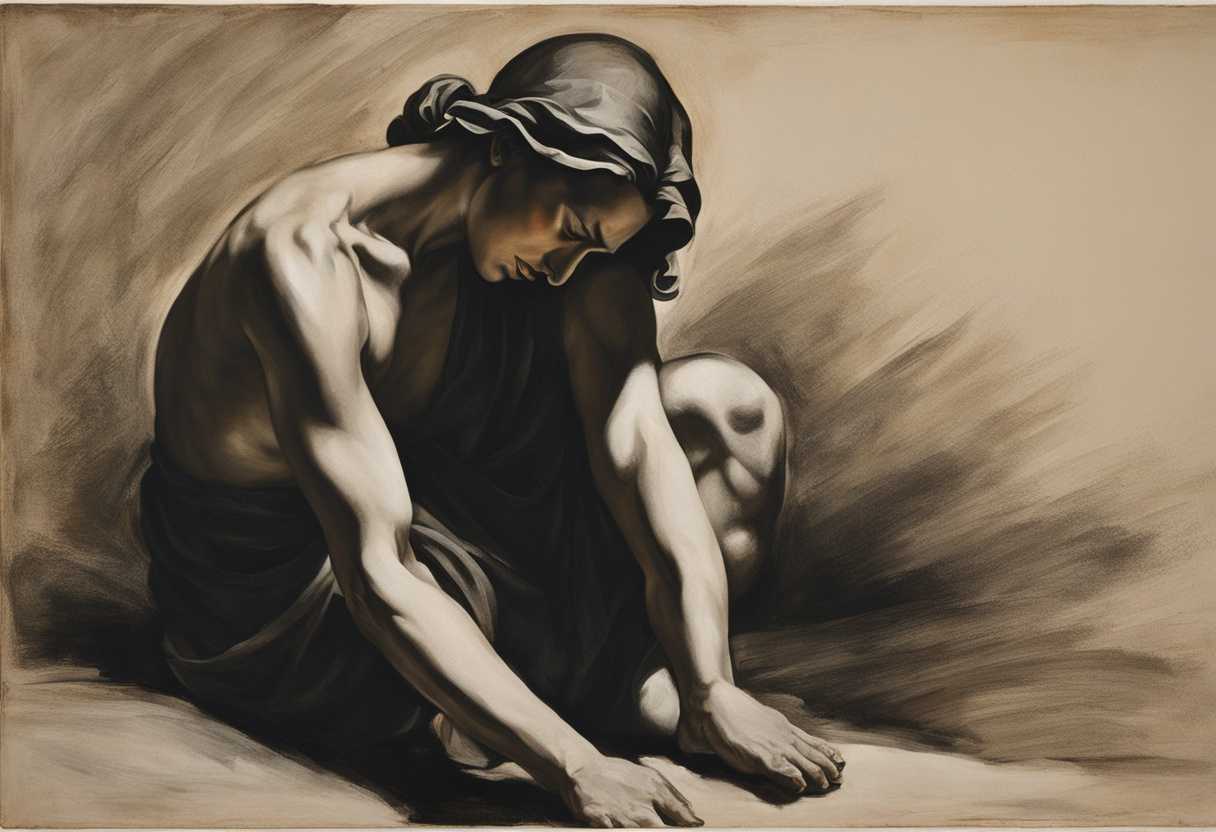
In the Bible, “bruised” often signifies physical injury or suffering, as seen in Isaiah 53:5 where it describes the suffering servant being “bruised for our iniquities.” It can also represent a state of being crushed in spirit or heartache, reflecting both physical and emotional distress.
Scripture
14 The Lord God said to the serpent, “Because you have done this, cursed are you above all livestock and above all beasts of the field; on your belly you shall go, and dust you shall eat all the days of your life.
15 I will put enmity between you and the woman,
and between your offspring and her offspring;
he shall bruise your head,
and you shall bruise his heel.”
Biblical Meaning of “Bruised” Explained
The term “bruised” in the Bible carries a profound duality of meaning that encapsulates both physical suffering and the emotional wounds of the heart. Isaiah 53:5 highlights the prophetic articulation of the suffering servant, describing how He was “wounded for our transgressions, bruised for our iniquities.” Here, “bruised” conveys the deep wounds inflicted by sin, emphasizing Christ’s sacrificial role in bearing the full weight of human shortcomings. The Hebrew term used suggests not only physical harm but also a deeper symbolic suffering—a crushing under the burden of sin that speaks to the overall condition of humanity in its fallibility, reflecting a need for redemption and healing.
Additionally, the concept extends to the emotional and spiritual realm. In Psalm 34:18, it is affirmed, “The Lord is near to the brokenhearted and saves the crushed in spirit.” This underscores that being bruised is not solely about external afflictions; it also pertains to the internal struggles faced by individuals as they navigate grief, loss, and despair. Therefore, to be “bruised” in the biblical sense signifies a profound vulnerability, representing both the pain that comes from sin and the hope that redemption brings. Bruising is met with divine comfort, illustrating that while suffering is a reality, God’s presence and healing can transform that suffering into a testimony of strength and renewal. Thus, the “bruised” not only embody the aspects of suffering but also resonate with the promise of restoration found in faith.
The theme of “bruised” continues throughout the biblical narrative, often highlighting the fragility of the human condition while simultaneously pointing towards divine consolation and healing. In the New Testament, for example, the experience of Jesus during His ministry reflects the complexity of this term. The Gospel accounts repeatedly depict Him as someone who came to bind up the brokenhearted, demonstrating His awareness of those who are spiritually and emotionally bruised. His interactions with the marginalized and the outcasts, representative of those carrying deep wounds and societal rejection, illustrate the comfort and restoration that come through His message and presence.
Furthermore, the metaphor of bruising can be utilized to convey the transformative power of suffering. In the letters attributed to Paul, there is an emphasis on the idea of sharing in Christ’s sufferings, suggesting that through our own bruises—whether they be trials, tribulations, or failures—we connect more deeply with His sacrifice. This connection not only highlights a journey of personal growth and deeper understanding of grace but also reflects a community aspect, where the “bruised” find solidarity and compassion among one another. Ultimately, the biblical portrayal of bruising serves as a reminder that through our wounds, we can experience profound healing and renewal, as God’s grace meets us in our brokenness, turning what is meant for harm into a powerful testimony of resilience and faith.
Spiritual Affliction and Suffering
In the Bible, the term “bruised” often signifies a state of spiritual affliction or suffering. It reflects the emotional and psychological pain that individuals endure due to sin, loss, or separation from God. This bruising can represent the weight of guilt and the consequences of one’s actions, highlighting the need for healing and redemption through divine intervention.
Vulnerability and Human Condition
The concept of being “bruised” also speaks to the inherent vulnerability of the human condition. It acknowledges that all people experience hardships, trials, and tribulations in life. This bruising serves as a reminder of the fragility of human existence and the universal nature of suffering, encouraging believers to seek solace and strength in their faith during difficult times.
Restoration and Healing
Lastly, the notion of being “bruised” carries a promise of restoration and healing. In biblical contexts, bruises can symbolize the wounds that lead to growth and transformation. They often point to the hope that, through faith and divine grace, individuals can find healing and wholeness, emerging stronger from their trials. This theme emphasizes the redemptive power of God, who can turn pain into purpose and suffering into strength.
How to Embrace Suffering for Spiritual Growth and Healing
Embracing suffering as a pathway to spiritual growth can be one of the most transformative experiences in your Christian journey. It’s important to remember that suffering is not a sign of God’s absence but often a means through which He draws us closer to Him. When we face trials, we can choose to lean into our pain, seeking God’s presence in the midst of it. This might mean spending more time in prayer, diving into Scripture for comfort and wisdom, or even reaching out to fellow believers for support. Reflect on James 1:2-4, which encourages us to consider it pure joy when we face trials, knowing that the testing of our faith produces perseverance. By shifting our perspective to see suffering as an opportunity for growth, we can cultivate resilience and deepen our relationship with God, ultimately leading to healing and a more profound understanding of His love and purpose for our lives. Remember, you are not alone in your suffering; God walks with you, and through it, He is shaping you into the person He created you to be.
Bible References to “Bruised” in Scripture:
Isaiah 53:4-5: 4 Surely he has borne our griefs and carried our sorrows; yet we esteemed him stricken, smitten by God, and afflicted.
5 But he was pierced for our transgressions;
he was crushed for our iniquities;
upon him was the chastisement that brought us peace,
and with his wounds we are healed.
Psalm 34:17-20: 17 When the righteous cry for help, the Lord hears and delivers them out of all their troubles.
18 The Lord is near to the brokenhearted
and saves the crushed in spirit.
19 Many are the afflictions of the righteous, but the Lord delivers him out of them all.
20 He keeps all his bones; not one of them is broken.
Matthew 12:18-21: 18 “Behold, my servant whom I have chosen, my beloved with whom my soul is well pleased. I will put my Spirit upon him, and he will proclaim justice to the Gentiles.”
19 He will not quarrel or cry aloud, nor will anyone hear his voice in the streets;
20 a bruised reed he will not break, and a smoldering wick he will not quench, until he brings justice to victory;
21 and in his name the Gentiles will hope.”
Luke 4:17-21: 17 And the scroll of the prophet Isaiah was given to him. He unrolled the scroll and found the place where it was written:
18 “The Spirit of the Lord is upon me,
because he has anointed me
to proclaim good news to the poor.
He has sent me to proclaim liberty to the captives
and recovering of sight to the blind,
to set at liberty those who are oppressed,
19 to proclaim the year of the Lord’s favor.
20 And he rolled up the scroll and gave it back to the attendant and sat down. And the eyes of all in the synagogue were fixed on him.
21 And he began to say to them, “Today this Scripture has been fulfilled in your hearing.”
Romans 16:19-20: 19 For your obedience is known to all, so that I rejoice over you, but I want you to be wise as to what is good and innocent as to what is evil.
20 The God of peace will soon crush Satan under your feet. The grace of our Lord Jesus Christ be with you.
1 Peter 2:21-24: 21 For to this you have been called, because Christ also suffered for you, leaving you an example, so that you might follow in his steps.
22 He committed no sin, neither was deceit found in his mouth.
23 When he was reviled, he did not revile in return; when he suffered, he did not threaten, but continued entrusting himself to him who judges justly.
24 He himself bore our sins in his body on the tree, that we might die to sin and live to righteousness. By his wounds you have been healed.
Revelation 13:1-3: 1 And I saw a beast rising out of the sea, with ten horns and seven heads, with ten diadems on its horns and blasphemous names on its heads.
2 And the beast that I saw was like a leopard; its feet were like a bear’s, and its mouth was like a lion’s mouth. And to it the dragon gave his power and his throne and great authority.
3 One of its heads seemed to have a mortal wound, but its mortal wound was healed, and the whole earth marveled as they followed the beast.

Rev. François Dupont is a dedicated church minister with a wealth of experience in serving spiritual communities. With a calm and serene demeanor, he has been devoted to sharing the message of love, compassion, and tolerance for over two decades. Through his thoughtful sermons, compassionate counseling, and unwavering support, Rev. Dupont has touched the lives of countless individuals, allowing them to find solace and strength during difficult times. His serene presence and deep understanding of the human condition make him a trusted guide for those seeking spiritual nourishment and guidance.