
Exodus 22:21-23 is about showing kindness and compassion to strangers, widows, and orphans, reminding the Israelites of their duty to care for the marginalized and vulnerable in society.
21 “You shall not wrong a sojourner or oppress him, for you were sojourners in the land of Egypt.
22 You shall not mistreat any widow or fatherless child.
23 If you do mistreat them, and they cry out to me, I will surely hear their cry,
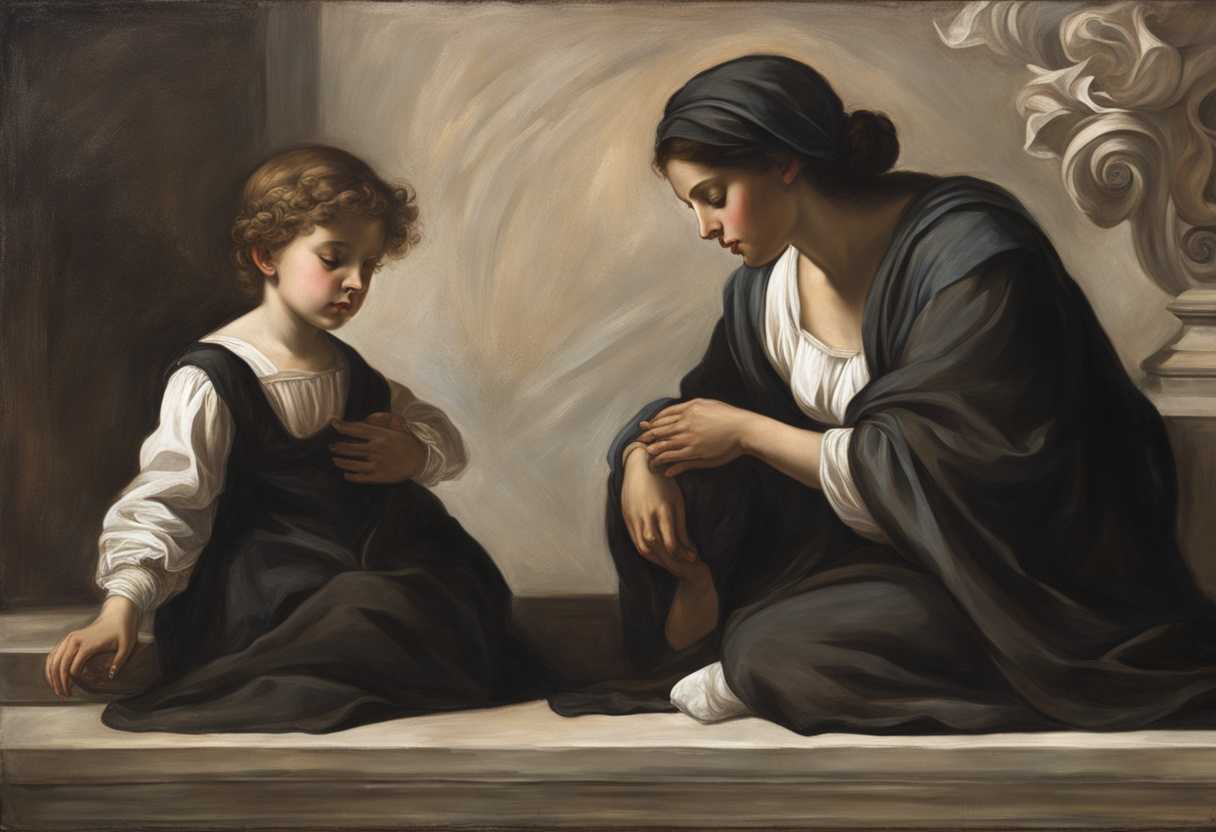
Setting the Scene for Exodus 22:21-23
In Exodus 22:21-23, the scene is set in the midst of the Israelites’ journey through the wilderness after their escape from Egypt. The Israelites have set up camp at the foot of Mount Sinai, where Moses has gone up to receive the commandments from God. As the people wait for Moses to return, they gather around in groups, discussing the laws and regulations that have been given to them.
Among the crowd are elders, leaders, and ordinary members of the community, all eager to understand and follow the laws that will govern their newly formed nation. They are surrounded by the vast desert landscape, with the imposing presence of Mount Sinai in the background, a constant reminder of the divine encounter that is taking place.
As they listen to one another and debate the implications of the laws, a sense of unity and purpose begins to emerge among the people. They are learning to live as a community, bound by their shared history and faith, and striving to create a society based on justice and compassion, as outlined in the laws given to them by God through Moses.
What is Exodus 22:21-23 about?
This powerful verse from the Bible emphasizes the importance of treating vulnerable individuals with compassion and kindness. The verse teaches us about the importance of empathy and fairness towards those who may be marginalized or disadvantaged in society by highlighting the prohibition against mistreating foreigners and widows. We honor their human dignity and show respect for the inherent worth of every individual by refusing to mistreat these groups. We are called to consider how we treat those who may be different from us or facing difficult circumstances as we reflect on this verse. Are we extending a helping hand to those in need, or are we turning a blind eye to their struggles? Do we listen to the cries of the marginalized and work towards justice and equality for all? We are reminded of our responsibility to show love and compassion towards others by heeding the message of this verse. We should strive to live out the teachings of this verse in our daily lives, reaching out to those in need and standing up for justice and equality. May we always remember that our actions towards the vulnerable and marginalized have a profound impact and that God is watching over us, calling us to show love and kindness to all of His children.
Understanding what Exodus 22:21-23 really means
In the Covenant Code of the Israelites, found in the book of Exodus, we encounter a set of laws that underscore the significance of justice and compassion, especially towards the marginalized in society. One poignant directive states, “Do not mistreat or oppress a foreigner,” emphasizing the universal value of treating all individuals with dignity and respect, irrespective of their background or social standing. The subsequent phrase, “For you were foreigners in Egypt,” serves as a poignant reminder to the Israelites of their own history of suffering and oppression, urging them to empathize with others and exhibit compassion.
Furthermore, the command to “not take advantage of the widow or the fatherless” highlights the imperative to safeguard those who are most vulnerable and lack a support system. The assurance that “if you do and they cry out to me, I will certainly hear their cry” reinforces the belief that God is attentive to the pleas of the oppressed and will intervene on their behalf. These verses resonate with a broader theme in the Bible that emphasizes the importance of justice, mercy, and care for the marginalized.
In parallel passages like Leviticus 19:33-34 and Deuteronomy 10:18-19, the call to love and show compassion to foreigners is reiterated, drawing attention to the Israelites’ own past as foreigners in Egypt. Similarly, in the New Testament, James 1:27 underscores the significance of caring for orphans and widows as a fundamental aspect of true religion. These interconnected passages emphasize the enduring relevance of these principles across different contexts and time periods.
Today, amidst global challenges such as immigration issues, refugee crises, and social disparities, these ancient commands remain profoundly relevant. They urge us to extend empathy and support to those who are marginalized and disadvantaged in our communities. By embodying these principles, we not only uphold justice and compassion but also contribute to the creation of a more equitable and caring society.
Consider a modern-day scenario where a community embraces refugees, offering them solace and support. As one family, having escaped conflict and turmoil, seeks refuge in a new land, the local community, recalling their own struggles or those of their forebears, rallies around them. This act of kindness not only aids the family in rebuilding their lives but also fosters unity and solidarity within the community, exemplifying the essence of the teachings encapsulated in these verses.
In conclusion, the verses from Exodus 22:21-23 serve as a poignant reminder of our responsibility to advocate for the vulnerable and oppressed. They prompt us to reflect on our own experiences of adversity and extend compassion and justice to others in need. By embodying these principles in our actions, we can contribute to the establishment of a more just and compassionate society, reflecting the love and care that God has for all His children.
How do we treat the strangers and oppressed?
The passage urges us to show kindness and concern for strangers, widows, and orphans. The message is clear: we are all called to treat these vulnerable groups with compassion and fairness. The context of the verse emphasizes the importance of not taking advantage of those who are already marginalized or oppressed. We reflect the values of justice and mercy that are central to many religious teachings by showing love and empathy towards strangers and the disadvantaged.
The directive to care for strangers and the oppressed is a reminder to extend hospitality and support to those who may be in need. It encourages us to welcome others with open arms, regardless of their background or circumstances. This verse challenges us to examine our actions and attitudes towards those who may be overlooked or mistreated in society and reminds us of our duty to uphold the principles of justice, equality, and compassion. By following this guidance, we can ultimately work towards building a more inclusive and caring community where everyone is respected and valued.
Application
Let’s dive into Exodus 22:21-23 and let its profound message move you. God’s plea for us to show kindness and compassion to the less fortunate should ignite a fire within you. Let’s embrace this as our mission to spread love and care to those on the fringes of our world. Will you rise to the occasion and be a beacon of hope for those who need it the most?

Reverend Michael Johnson is an experienced Church Minister with a profound expertise in spirituality and guidance. With a serene presence and a compassionate heart, he has faithfully served his congregation for over 20 years, leading them on a spiritual journey towards inner peace and enlightenment. Reverend Johnson’s extensive knowledge of religious philosophies and profound understanding of human nature have made him a trusted confidant and mentor to many, as he seamlessly weaves his profound wisdom into life teachings. Reverend Johnson’s calming demeanor and empathetic nature continue to uplift and heal souls, nurturing a sense of unity and tranquility within his community.