
1 Samuel 10:25-27 is about the appointment of Saul as king of Israel with the support and confirmation of the people, signifying the establishment of a new era and leadership in the history of Israel.
25 Then Samuel told the people the rights and duties of the kingship, and he wrote them in a book and laid it up before the Lord. So Samuel sent all the people away, every one to his home.
26 Saul also went to his home at Gibeah, and with him went men of valor whose hearts God had touched.
27 But some worthless fellows said, “How can this man save us?” And they despised him and brought him no present. But he held his peace.
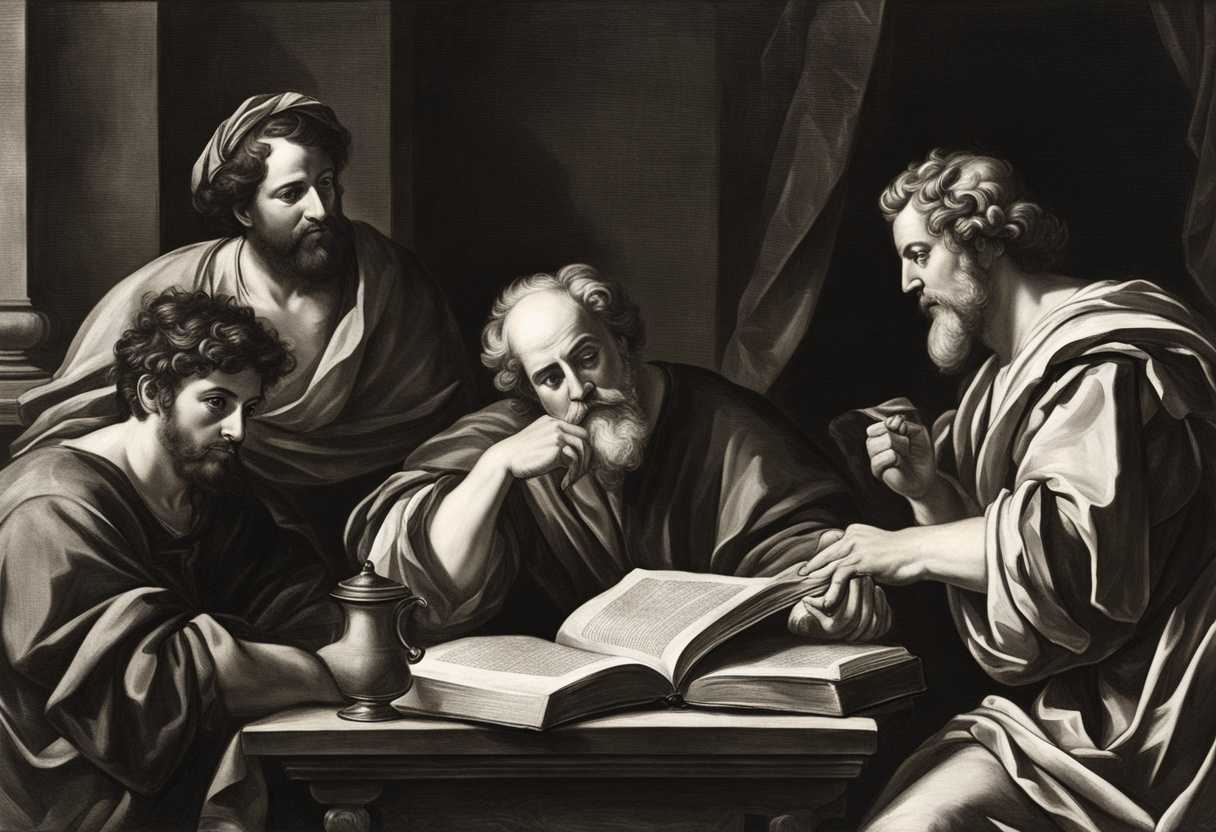
Setting the Scene for 1 Samuel 10:25-27
In 1 Samuel chapter 10, we find ourselves in the ancient land of Israel, specifically in the town of Mizpah. The scene is set at a public gathering where the prophet Samuel has summoned all the tribes of Israel to announce the new king that God has chosen for them. The atmosphere is charged with anticipation and curiosity as the people await the revelation of their new leader.
Among the crowd are the leaders and elders of the tribes of Israel, as well as the common people who have come to witness this historic event. The sun is setting, casting a warm glow over the assembly, and the air is filled with a sense of expectation and awe at the unfolding of God’s plan for their nation.
As Samuel presents Saul as the chosen king, there is a mixture of emotions in the crowd – excitement, uncertainty, and perhaps even skepticism. Yet, as Saul is brought forward and declared king, there is a sense of unity and hope that begins to spread among the people. The scene is one of transition and new beginnings, as the Israelites prepare to embark on a new chapter in their history under the leadership of King Saul.
What is 1 Samuel 10:25-27 about?
Saul demonstrates a powerful display of humility and self-restraint as Samuel confirms him as king in this verse. Despite some people despising him, Saul chooses to remain silent. This act of restraint and composure in the face of criticism speaks volumes about Saul’s character and leadership qualities. Instead of retaliating or seeking revenge against those who despise him, Saul chooses to rise above the negativity and maintain his dignity as a leader.
This verse teaches us the importance of maintaining grace under fire, especially in positions of leadership. Saul’s ability to remain silent in the face of criticism is a testament to his emotional intelligence and strength of character. It prompts us to reflect on how we handle criticism and challenges in our own lives. Are we quick to react and defend ourselves, or do we choose to respond with grace and composure like Saul did? Saul’s silence in this moment serves as a powerful example for us all to emulate in our own lives and interactions.
Understanding what 1 Samuel 10:25-27 really means
In the historical setting of 1 Samuel 10:25-27, we witness the pivotal moment of Saul’s anointing as the first king of Israel under the guidance of the prophet Samuel. This transition from a theocracy to a monarchy marks a significant shift in the governance of the nation. Samuel plays a crucial role in explaining to the people the rights and duties of kingship, emphasizing the importance of understanding the responsibilities and limitations that come with leadership.
The act of Samuel writing down these rights and duties on a scroll and depositing it before the Lord symbolizes the solemnity and divine oversight of the kingship. It serves as a reminder that leadership is not merely a political position but one that carries a weight of accountability to God. This gesture underscores the sacred nature of leadership and the need for leaders to govern with integrity and righteousness.
The passage also sheds light on the skepticism and division among the people towards Saul’s leadership. Some individuals, described as scoundrels, question Saul’s ability to save them and withhold their support. This skepticism highlights the challenges that leaders often face in gaining the trust and respect of their constituents. It serves as a reminder of the importance of unity and respect within a community, even amidst differing opinions and perspectives.
Drawing parallels to contemporary times, we can glean valuable lessons from this passage. Just as Samuel elucidated the rights and duties of kingship, it is essential for us today to comprehend the responsibilities of our leaders and hold them accountable. The depositing of the scroll before the Lord reminds us of the ultimate accountability of all leadership to God, emphasizing the need for leaders to govern with righteousness and transparency.
In dealing with division and skepticism towards leadership, we are reminded of the significance of unity and support within a community. The passage prompts us to reflect on our attitudes towards those in authority and encourages us to strive for integrity and righteousness in all forms of leadership. By understanding the lessons embedded in this passage, we can navigate the complexities of leadership with wisdom and grace, fostering a culture of respect and unity within our communities.
In a modern context, envision a newly elected official facing a mix of enthusiasm and doubt from the community. Through transparency, integrity, and a commitment to serving with accountability, this official mirrors the principles highlighted in Samuel’s explanation of kingship. Despite facing criticism, the official perseveres, recognizing that their leadership is ultimately answerable to both the community and to God.
In conclusion, 1 Samuel 10:25-27 imparts timeless truths about leadership, divine accountability, and the importance of unity and respect within a community. It challenges us to reevaluate our perceptions of authority, urging us to uphold integrity and righteousness in all realms of leadership. Let us heed these lessons as we navigate the complexities of governance and strive to cultivate a culture of unity, respect, and accountability in our societies.
How can we honor God in our actions today?
We can honor God in our actions today by being obedient and following His instructions. We can seek guidance from God through prayer and Scripture to align our actions with His will, just as Saul was anointed as king and instructed in God’s ways. We honor God’s authority and sovereignty in our lives by being mindful of His commands and striving to live in accordance with them. We can also honor God by demonstrating humility and faithfulness in our daily decisions and interactions. We can humble ourselves before God and acknowledge His wisdom and power, just as Saul initially showed humility by hiding when he was chosen as king. We reflect our recognition of His supremacy and our dependence on His guidance in all aspects of our lives by placing our trust in Him and faithfully carrying out His will.
Lastly, we can honor God in our actions by seeking to bring glory to His name in all that we do. Whether it be in our work, relationships, or service to others, we can strive to reflect God’s love, compassion, and righteousness. We fulfill our purpose of glorifying Him and being a light to the world by living lives that point others to the goodness and grace of God.
Application
Witness the anointing of Saul as a lesson in leadership. Reflect on the obedience and faithfulness demanded in your own roles at work and home. Channel the humility and resolve Saul showed in your own decisions. Will you answer God’s call with conviction and dedication, just like Saul did?

Reverend Michael Johnson is an experienced Church Minister with a profound expertise in spirituality and guidance. With a serene presence and a compassionate heart, he has faithfully served his congregation for over 20 years, leading them on a spiritual journey towards inner peace and enlightenment. Reverend Johnson’s extensive knowledge of religious philosophies and profound understanding of human nature have made him a trusted confidant and mentor to many, as he seamlessly weaves his profound wisdom into life teachings. Reverend Johnson’s calming demeanor and empathetic nature continue to uplift and heal souls, nurturing a sense of unity and tranquility within his community.