
29 and called his name Noah, saying, “Out of the ground that the LORD has cursed, this one shall bring us relief from our work and from the painful toil of our hands.”
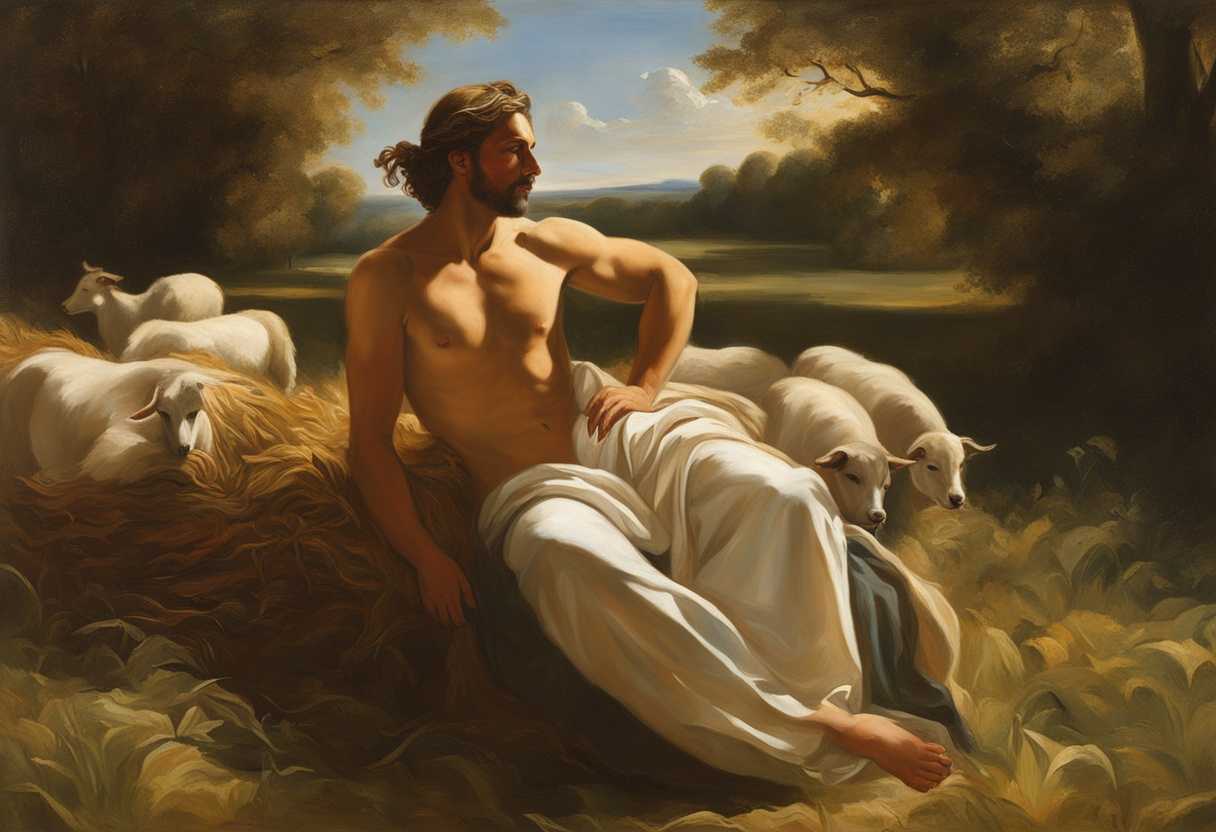
Setting the Scene for Genesis 5:29
In Genesis chapter 5, we find ourselves in a scene set in the ancient world shortly after the fall of man. The main characters in this scene are Lamech, his wife, and their newborn son, Noah. Lamech, a descendant of Adam, is a righteous man who named his son Noah, meaning “rest” or “comfort,” with the hope that he would bring relief from the toil and hardship that had befallen humanity since the fall.
The surroundings are rustic and simple, reflecting the early days of civilization. Lamech and his wife are filled with hope and anticipation as they cradle their newborn son, Noah, in their arms. The scene is imbued with a sense of both the weight of the past and the promise of the future, as they contemplate the significance of this child and the role he may play in the unfolding story of humanity.
As they gaze upon their son, Lamech and his wife are filled with a sense of wonder and gratitude, knowing that Noah’s birth represents a new beginning and a fresh start for their family and for all of mankind. The scene is one of quiet reflection and hopeful expectation, as they ponder the mysteries of God’s plan for their lives and for the world.
What is Genesis 5:29 about?
Lamech, Noah’s father, gives him a name in this verse that reflects a sense of hope and comfort in the midst of hardship. Lamech acknowledges the challenges and struggles that have come as a result of the ground being cursed by the Lord, leading to labor and toil. Lamech is expressing his belief that Noah will bring relief and solace to their lives amidst the difficulties they face by naming his son Noah. This act of naming carries a deep significance, as it symbolizes a parent’s faith and optimism for their child’s future role in bringing comfort and peace.
Have you ever thought about the power of a name and its meaning? Lamech’s choice of name for Noah in this verse highlights the importance of finding hope and comfort in challenging times. It serves as a reminder that even in the face of adversity, there can be moments of solace and respite. How do you think Noah lived up to the name his father gave him? Reflecting on the significance of names and the hope they can symbolize may inspire you to seek out sources of comfort and support in your own life, just like Noah was meant to bring to his family.
Understanding what Genesis 5:29 really means
Introduction and Verse Context
Let’s start by setting the context for our discussion. Genesis 5:29 appears in a genealogical narrative that speaks of the descendants of Adam. This verse specifically speaks about Noah, whose name means “rest” or “comfort.” His father, Lamech, declares that Noah will bring relief from the painful toil of their hands, caused by the ground the Lord had cursed. This single verse evokes a story of hope, prophecy, and divine promise.
Key Phrases and Detailed Meaning
The phrase “he will comfort us” speaks volumes. It reveals that Noah is expected to be a bearer of comfort—an embodiment of God’s mercy in a time of hardship. We see this fulfilled later when Noah builds the ark and preserves humanity and animal life through the flood. The comfort isn’t immediate or even direct, but it carries the weight of eventual salvation. Similarly, God’s promises to us might not bring immediate relief, but He assures us of eventual peace.
Another important phrase is “from the painful toil of our hands.” This phrase brings us back to Genesis 3:17-19, where God curses the ground because of Adam’s sin, making human labor strenuous. Jesus Christ, who offers ultimate relief from the curse of sin and eternal separation from God, points forward to another Deliverer in Noah’s story.
Relevance to Modern Life
Why is this relevant today? Many of us feel the impact of “painful toil” in various forms—be it physical labor, emotional struggles, or spiritual battles. The story of Noah invites us to look beyond our immediate suffering to the greater narrative that God is weaving, one that promises comfort and rest. Just like Noah’s name hinted at future relief, our hope in Christ offers us a perspective of future grace. Jesus in Matthew 11:28-30 invites all who are weary and burdened to come to Him for rest, echoing the promise embedded in Noah’s name. Here, Jesus extends the comfort Noah symbolized to all humanity. This continuity between Old and New Testaments underscores that God’s plan for relief and salvation has been consistent throughout history.
Practical Application and Anecdote
Imagine a farmer who toils day and night, facing drought and disease. He plants each seed with hope, despite the challenges. Similarly, life can sometimes feel like an endless cycle of sowing in tears. However, like the farmer, knowing that eventual harvest brings joy can keep us going. God’s promises are like seeds; they may take time to manifest, but they are sure. Genesis 5:29 offers a prophetic glimpse into God’s redemptive plan. For the people of that time, Noah was a sign of hope amid daily labor and pain. For us today, he symbolizes the ultimate comfort found in Christ. Let’s be encouraged that amid our present struggles, God’s promise of rest stands sure.
Reflect on your own life. Are there areas where you need to trust in God’s future comfort? How can the story of Noah inspire you to hold on to hope? These questions are not just rhetorical but a call to see our lives through the lens of divine promise.
How can we cultivate righteousness in our descendants?
We can cultivate righteousness in our descendants by setting an example through our own actions and behavior. We can inspire our children and future generations to follow in the path of righteousness by consistently demonstrating integrity, honesty, kindness, and compassion in our daily lives. Teaching them the value of righteousness and instilling a strong moral compass will help guide them towards making positive choices and decisions.
Additionally, fostering a strong sense of community and support within the family can also aid in cultivating righteousness in our descendants. Encouraging open communication, empathy, and understanding within the family unit will create a nurturing environment where values such as righteousness are prioritized and reinforced. We can instill these principles in our descendants and pass down a legacy of righteousness for generations to come by emphasizing the importance of respecting others, helping those in need, and standing up for what is right.
Application
In our busy lives, we face challenges that test our hope and faith. Just as Lamech hoped for peace through Noah, we too should believe in brighter days ahead. Let’s hold onto hope and trust that redemption is possible even in tough times. Will you take a leap of faith and trust in the promise of renewal?

Reverend Michael Johnson is an experienced Church Minister with a profound expertise in spirituality and guidance. With a serene presence and a compassionate heart, he has faithfully served his congregation for over 20 years, leading them on a spiritual journey towards inner peace and enlightenment. Reverend Johnson’s extensive knowledge of religious philosophies and profound understanding of human nature have made him a trusted confidant and mentor to many, as he seamlessly weaves his profound wisdom into life teachings. Reverend Johnson’s calming demeanor and empathetic nature continue to uplift and heal souls, nurturing a sense of unity and tranquility within his community.