
18 To Enoch was born Irad, and Irad fathered Mehujael, and Mehujael fathered Methushael, and Methushael fathered Lamech.
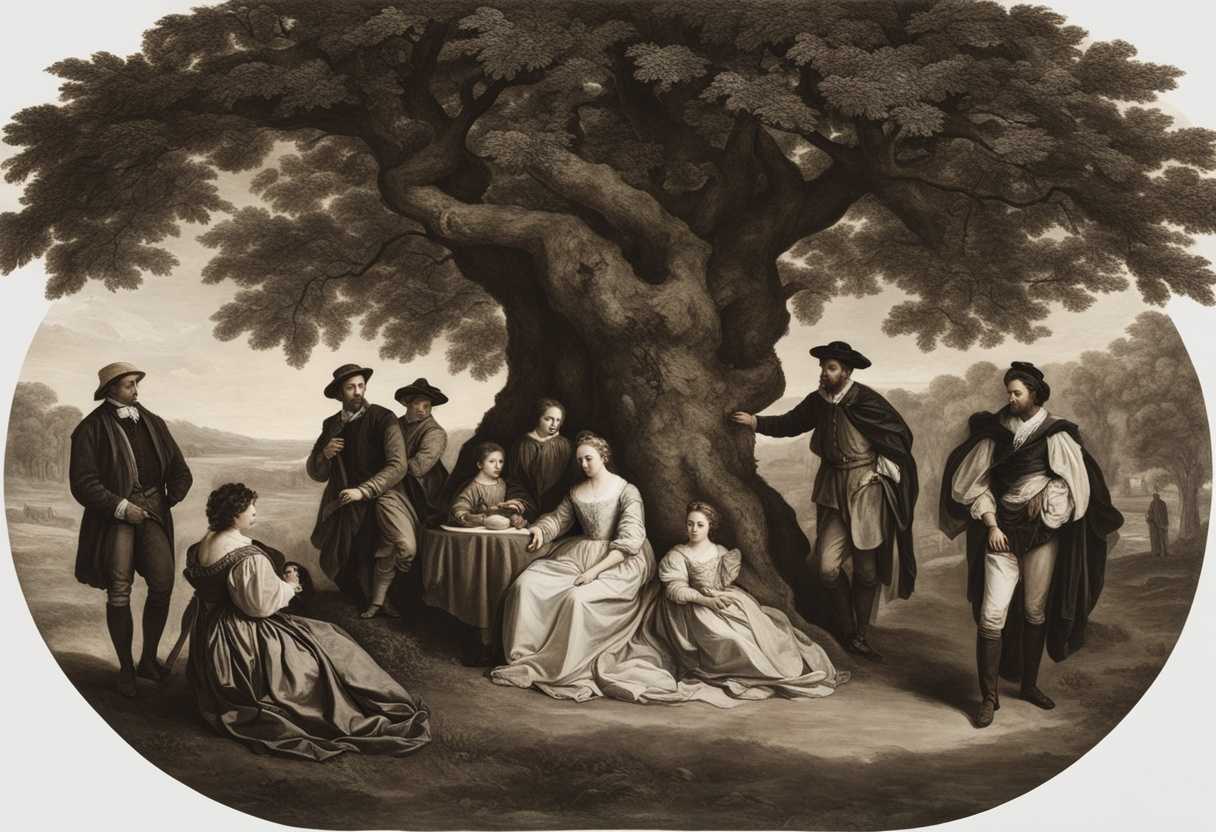
Setting the Scene for Genesis 4:18
In Genesis chapter 4, we find ourselves in the midst of a bustling community that has emerged after the expulsion of Adam and Eve from the Garden of Eden. The scene is set in the land of Nod, east of Eden, where we encounter the descendants of Cain, who had been marked by God for killing his brother Abel. Among these descendants is a man named Enoch, who is mentioned in Genesis 4:17-24. Enoch is surrounded by his family and fellow settlers, who have built a city and are establishing their lives outside the presence of God. The atmosphere is one of progress and development, as they engage in activities such as farming, animal husbandry, and craftsmanship. Despite their separation from Eden, the descendants of Cain are depicted as skilled and innovative, creating a sense of civilization in this new land.
As Enoch interacts with his family and community, we see the complexities of human relationships and the consequences of sin unfolding. The narrative in Genesis 4:18 serves as a reminder of the ongoing human journey, marked by both achievements and struggles, as people strive to make their way in a world that is both beautiful and broken.
What is Genesis 4:18 about?
Cain, Adam and Eve’s son, committed the first murder by killing his brother Abel out of jealousy, as seen in Genesis 4:18. Despite his sinful act, the Bible traces Cain’s lineage, showing that even in a family with a history of wrongdoing, there is still a legacy of architectural and societal advancement. Enoch is mentioned as the son of Cain who built a city and named it after his own son. This verse reminds us that everyone, regardless of their past or mistakes, has the potential to create something meaningful and lasting. We might ask ourselves as we reflect on this verse: What kind of legacy are we building for future generations? Do we allow our past mistakes to define us, or do we strive to make positive contributions despite our faults? The story of Enoch building a city serves as a powerful reminder that we have the ability to overcome our shortcomings and leave a lasting impact on the world around us. Let this verse inspire us to work towards creating a legacy of growth, progress, and resilience, even in the face of adversity.
Understanding what Genesis 4:18 really means
Genesis 4:18 often gets little attention compared to the dramatic earlier chapters of Genesis. This verse lists the descendants of Cain, who himself is a poignant figure in the biblical narrative. While seemingly a simple genealogy, this passage holds deep layers of meaning and significance for our spiritual and moral lives today.
Context
To understand this verse fully, we need to step back and look at its context. After Cain kills his brother, Abel, he is marked and sent into exile. Despite this troubling turn, Cain’s life continues, and he establishes a family line. His capacity to build lineage and communities speaks to both the resilience and complexity of human life. How often do we find ourselves creating legacies in the aftermath of our own moral struggles and failures?
Key Phrases
One key phrase in this verse is “and begot.” This phrase underscores the cyclical nature of life and how even those who stray from righteousness continue to contribute to the unfolding of God’s creation. Begetting in biblical terms signifies more than just producing offspring; it represents the continuation of divine promise and human responsibility. Genesis 1:28 commanded humankind to be fruitful and multiply; even Cain’s line is part of this mandate, illustrating that God’s purpose perseveres even amid human imperfection.
Related Passages
Reflect on Numbers 1:18, which underscores the importance of genealogies in providing identity and continuity for the Israelites. The naming and listing of descendants carry both historical significance and theological weight. They’re a testament to God’s ongoing relationship with humanity. Another parallel can be found in the New Testament, in Matthew 1:1-17, the genealogy of Jesus. It affirms that every life, even those with a tainted narrative like that of Cain’s, contributes vitally to God’s larger plan.
Relevance Today
How does this ancient genealogy speak to us today? We often forget the value of humble continuance and everyday faithfulness in a world obsessed with achievement. Cain’s descendants remind us that life’s worth isn’t just found in grand gestures but in the quiet, steady act of living and contributing to God’s continuing creation. This has palpable implications for modern life: you, too, regardless of your past, play an indispensable role in the divine story.
Anecdote
Let me share an anecdote. I remember counseling a man who felt his past mistakes disqualified him from making a meaningful contribution to his community. We discussed Cain’s legacy and how, despite his grave sin, his line continued and even thrived. This realization lifted a weight off his shoulders. He saw that God’s grace afforded him the chance to build something enduring out of his brokenness. He later became a cornerstone of community projects, embodying the redemptive possibility found in Genesis 4:18. Genesis 4:18 reveals profound truths about human tenacity, divine grace, and the intricate tapestry of human history, though ostensibly a simple list of names. It prompts us to consider our roles in this grand narrative: how do our lives contribute to the unfolding of God’s work on Earth? Reflect on these themes, and may you find both humility and purpose in the truth that, like Cain’s descendants, each of us has a part to play in the divine legacy.
What impact does our legacy have on future generations?
Our legacy is essential as it shapes the future generations to come. Just like how Lamech’s legacy of violence and vengeance affected his offspring, our actions and values will influence those who come after us. It is crucial to consider the long-term impact of our decisions and behaviors, as they can create a ripple effect that extends far beyond our own lives.
The choices we make today can have lasting consequences on our descendants. We can inspire and guide future generations towards a path of goodness and harmony by leaving a positive legacy of righteousness, compassion, and empathy. Conversely, a negative legacy of immorality and wrongdoing can lead to a cycle of destructive behavior that continues down the line. Therefore, it is important to be mindful of the inheritance we are passing on and strive to leave behind a positive and enduring impact for the sake of those who will follow in our footsteps.
Application
Think of your family tree as the foundation of your house. This root verse nudges us to appreciate the sturdy roots that support us. Just as you wouldn’t ignore the blueprint of your home, don’t overlook your ancestry. Embrace the wisdom and lessons your lineage offers. Can you take a moment to honor and learn from where you come from?

Reverend Michael Johnson is an experienced Church Minister with a profound expertise in spirituality and guidance. With a serene presence and a compassionate heart, he has faithfully served his congregation for over 20 years, leading them on a spiritual journey towards inner peace and enlightenment. Reverend Johnson’s extensive knowledge of religious philosophies and profound understanding of human nature have made him a trusted confidant and mentor to many, as he seamlessly weaves his profound wisdom into life teachings. Reverend Johnson’s calming demeanor and empathetic nature continue to uplift and heal souls, nurturing a sense of unity and tranquility within his community.