
33 Abraham planted a tamarisk tree in Beersheba and called there on the name of the Lord, the Everlasting God.
Setting the Scene for Genesis 21:33
In Genesis 21:33, we find Abraham in the land of the Philistines, specifically in Beersheba. The scene is set in a peaceful and serene setting, with Abraham and Abimelech, the king of the Philistines, coming together to make a covenant. The two men are surrounded by their respective groups of people, signifying the importance and solemnity of the agreement they are about to make.
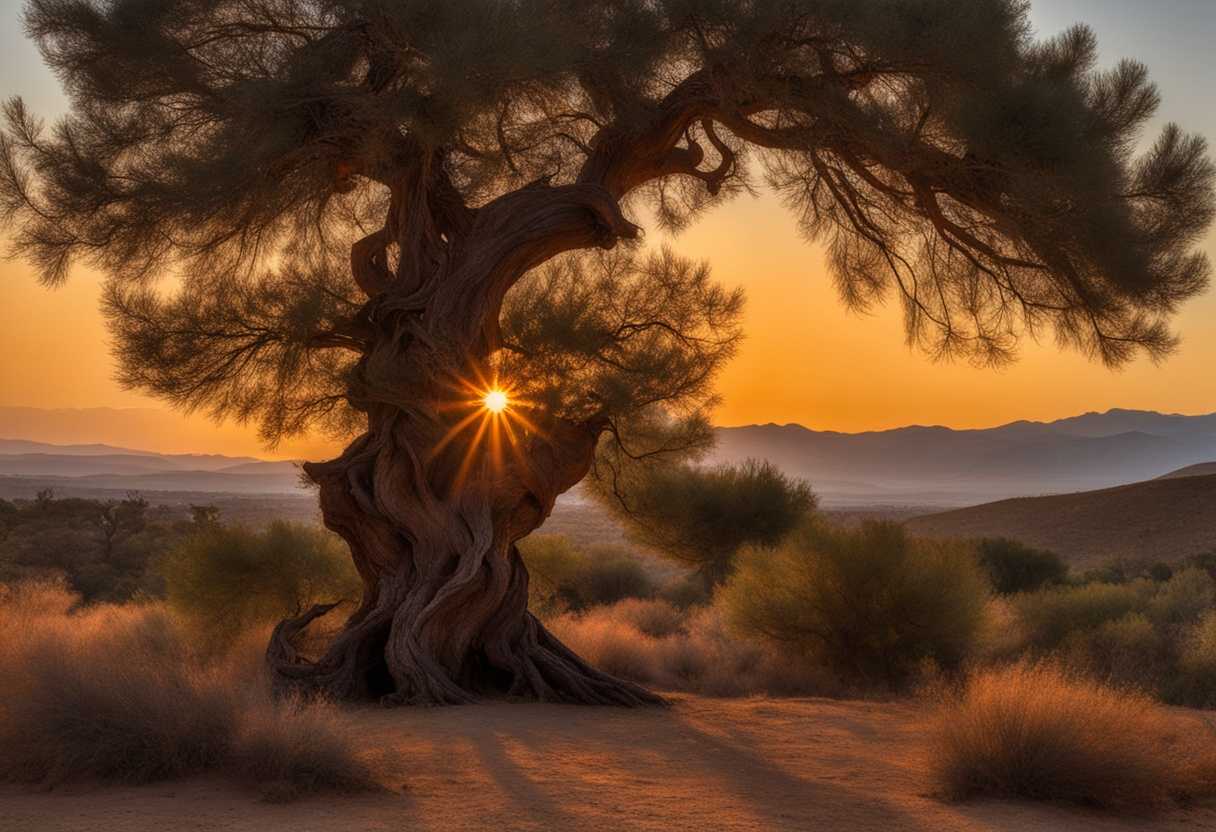
Abraham had planted a tamarisk tree in Beersheba and called upon the name of the Lord, the Everlasting God. This act symbolized the establishment of a lasting covenant between Abraham and Abimelech, ensuring peace and goodwill between their descendants. The setting is likely under the shade of the tamarisk tree, with the gentle breeze carrying the scent of the surrounding desert landscape.
As the sun sets over the horizon, Abraham and Abimelech stand as witnesses to the covenant they have made, a testament to the faithfulness of God in fulfilling His promises to Abraham. The scene captures a moment of reconciliation and mutual respect between two leaders, setting the stage for future generations to honor the agreement made in Beersheba.
What is Genesis 21:33 about?
Abraham planted a tamarisk tree and called on the name of the Lord in Genesis 21:33. This verse holds a deep symbolic significance as it represents Abraham’s deep connection with God and his commitment to honoring and worshiping Him. Abraham is not only physically planting a tree but also symbolically planting his faith and trust in God by planting the tamarisk tree.
The act of calling on the name of the Lord shows Abraham’s desire to seek guidance, strength, and presence from God in all aspects of his life. It demonstrates his dependence on God and his acknowledgment of God’s authority and power over his life. The tamarisk tree itself is a symbol of resilience and endurance, as this tree can withstand harsh conditions and represents Abraham’s enduring faith in the face of challenges and uncertainties.
Reflecting on this verse, we can ask ourselves, how often do we actively seek God’s presence and guidance in our lives like Abraham did? Do we plant our faith firmly in God and trust Him to sustain us through all circumstances, just as the tamarisk tree endures? This verse serves as a reminder for us to deepen our relationship with God, to call upon His name in times of need, and to trust in His enduring love and faithfulness.
Understanding what Genesis 21:33 really means
Structure:
- Introduction and context of the verse
- Key phrases and their detailed meanings
- Related Bible passages
- Relevance to contemporary life
- Anecdote for illustration
- Conclusion and reflective questions
Commentary on Genesis 21:33
1. Introduction and Context of the Verse
Genesis 21:33 finds us in the narratives of Abraham, a central figure in the Bible known for his faith and obedience to God. Abraham plants a tamarisk tree in Beersheba in this verse and calls on the name of the Lord, identifying Him as the “Eternal God.”” This act takes place after the resolution of a dispute over a well, highlighting a moment of peace and divine proclamation.
2. Key Phrases and Their Detailed Meanings
The phrase “planted a tamarisk tree” holds rich symbolism. Trees often represent life, growth, and a connection between the earthly and the divine. Tamarisk trees, specifically, are long-lasting and thrive in tough conditions, symbolizing endurance and faith.
Calling on the “name of the Lord, the Eternal God,” Abraham publicly acknowledges God’s unchanging and everlasting nature. This declaration is an assertion of faith, recognizing God’s sovereignty over time and creation.
3. Related Bible Passages
Psalm 90:2 echoes the eternal nature of God: “From everlasting to everlasting, you are God.” Similarly, in Isaiah 40:28, God is identified as the “everlasting God, the Creator of the ends of the earth.” These passages reinforce the idea of God’s eternal presence and reinforce the significance of Abraham’s acknowledgment.
**4. The concept of an eternal, unchanging God provides a comforting anchor in today’s fast-changing world. We often face personal and societal challenges that require resilience and faith. Much like Abraham, recognizing and calling upon God’s eternal nature can give us a sense of stability and purpose amidst turmoil.
**5. A young woman facing a series of relentless challenges—job loss, illness, family issues—should be considered for illustration. She finds solace in a daily practice of reflection in a local park under a sturdy, old tree. This tree becomes a symbol of perseverance and faith, much like Abraham’s tamarisk. Acknowledging an everlasting presence in moments of vulnerability can offer profound peace and strength.
**6. Reflect on the durability of your faith as you ponder Genesis 21:33. You acknowledge God’s eternal nature in your daily life in what ways? Are there practices or symbols, akin to Abraham’s tamarisk tree, that help you connect with and proclaim God’s enduring presence?
Reflective Thought
Let this verse remind us that while life’s circumstances change, God remains steadfast. Establish your own ‘tamarisk trees’—symbols and practices that reaffirm your faith in the eternal God, who is the same yesterday, today, and forever.
How can we create lasting spiritual legacies?
We can create lasting spiritual legacies by establishing a deep connection with God and consistently seeking His guidance and presence in our lives. Just as Abraham planted a tamarisk tree and worshiped the Lord, we can cultivate our relationship with God through acts of worship, prayer, and obedience. We can leave a lasting impact on future generations by firmly rooting ourselves in faith and living a life that reflects God’s love.
Furthermore, passing down our faith and values to our children and those around us is essential in creating a spiritual legacy. Just as Abraham taught his son, Isaac, about the importance of worshiping and honoring God, we have a responsibility to share our beliefs and experiences with others. We can inspire and influence others to walk in faith and continue the legacy of God’s truth and love by setting a positive example and actively engaging in discipleship. Living a life that glorifies God and impacts others for His kingdom ultimately creates a lasting spiritual legacy. We can leave behind a legacy that reflects God’s character and leads others to a deeper relationship with Him by prioritizing our relationship with God, sharing our faith with others, and modeling a Christlike example. Our legacy is not only about what we do in this lifetime but also about how we point others towards the eternal hope and truth found in God.
Application
Think of your life as a busy schedule, full of meetings and family commitments. Genesis 21:33 challenges us to carve out time for God just like we do for our most important tasks. It’s about setting up milestone moments in your day to remember His unwavering presence and blessings. How will you schedule your altar of gratitude today?

Reverend Michael Johnson is an experienced Church Minister with a profound expertise in spirituality and guidance. With a serene presence and a compassionate heart, he has faithfully served his congregation for over 20 years, leading them on a spiritual journey towards inner peace and enlightenment. Reverend Johnson’s extensive knowledge of religious philosophies and profound understanding of human nature have made him a trusted confidant and mentor to many, as he seamlessly weaves his profound wisdom into life teachings. Reverend Johnson’s calming demeanor and empathetic nature continue to uplift and heal souls, nurturing a sense of unity and tranquility within his community.