
19 Now out of the ground the Lord God had formed every beast of the field and every bird of the heavens and brought them to the man to see what he would call them. And whatever the man called every living creature, that was its name.
20 The man gave names to all livestock and to the birds of the heavens and to every beast of the field.
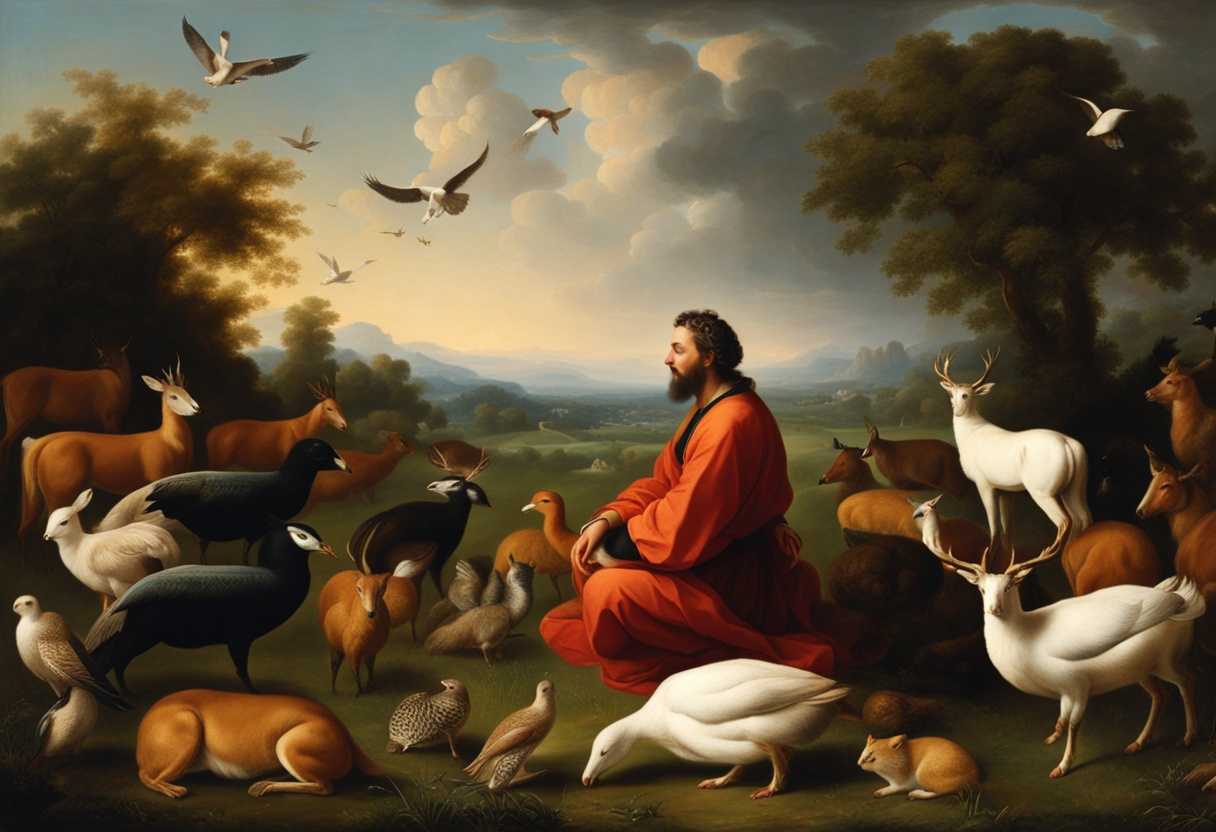
Setting the Scene for Genesis 2:19-20
In Genesis chapter 2, we find ourselves in the Garden of Eden, a lush and vibrant paradise created by God. The scene is set with Adam, the first man created by God, standing in awe of the beauty surrounding him. As he explores the garden, he notices the vast array of animals that God has also created. Each animal is unique and fascinating in its own way, showcasing God’s creativity and power.
God, seeing Adam’s curiosity and desire for companionship, decides to bring the animals before him to see what he will name them. As Adam watches in wonder, the animals parade before him, each waiting for him to give them a name. Adam, in his wisdom and authority given by God, begins to name each animal according to its nature and characteristics. This act not only demonstrates Adam’s dominion over the animals but also highlights the special relationship between humanity and the rest of creation.
Surrounded by the beauty of the Garden of Eden, Adam stands as a steward of God’s creation, fulfilling his role in naming and caring for the animals. This scene not only showcases the harmony and order of God’s creation but also sets the stage for the special bond that will soon be formed between Adam and Eve, the woman whom God will create as a companion for him.
What is Genesis 2:19-20 about?
Adam’s unique role in naming the animals displays God’s divine creativity remarkably in this verse. God allows Adam to exercise his authority and stewardship over the creatures by assigning names as He creates each animal. This act symbolizes Adam’s position as a caretaker of God’s creation and his special relationship with the animals.
Think about the significance of naming things – it implies knowledge, understanding, and authority. Adam not only showcases his intelligence and creativity but also establishes his dominion over the animal kingdom by naming the animals. This act of naming is more than just giving labels; it represents Adam’s deep connection with the animals and his responsibility to care for them. It highlights the importance of humans in maintaining harmony and balance in the world that God has entrusted to us. Let us reflect on this verse and ponder how we exercise our authority and stewardship over creation and our own role in the world. Just as Adam named the animals, we too are called to respect, protect, and nurture the natural world around us. How can we follow Adam’s example and fulfill our duty as caretakers of God’s creation in our daily lives? Let’s strive to appreciate the beauty of the world around us and be mindful of our impact on the environment, just as Adam did in the beginning.
Understanding what Genesis 2:19-20 really means
Structure for Commentary:
- Introduction and Context
- Detailed Explanation of Key Phrases
- Connecting Related Biblical Passages
- Relevance for Today
- Anecdote for Relatability
- God forms the animals and brings them to Adam to see what he would name them in Genesis 2:19-20. Adam’s role in naming the creatures highlights not only his dominion over creation but also underscores human responsibility in stewarding God’s creation. This moment is pivotal in understanding the relationship between humanity, creation, and the divine.
Detailed Explanation of Key Phrases:
The phrase “formed out of the ground” emphasizes that all life originates from the same source, which is God’s creative act. This serves as a reminder of the interconnectedness among all living beings. “Brought them to the man” reflects God’s trust and delegation of authority to Adam, allowing him to exercise his discernment and creativity. The task of naming each “living creature” is deeply significant; names hold power and meaning, and in biblical times, they expressed the nature and essence of the named.
Connecting Related Biblical Passages:
This incident resonates with Psalm 8:6-8, where the psalmist marvels at how God made humans “rulers over the works of [His] hands” and “put everything under their feet.” Furthermore, in Romans 8:19-22, Paul speaks of creation eagerly waiting for the children of God to be revealed, indicating a deep, ongoing relationship between humanity and the rest of creation. These passages collectively highlight the responsibility and stewardship entrusted to humans by God.
Relevance for Today:
Today, this passage reminds us of our role in caring for the environment and the creatures within it. The biblical mandate of stewardship is more critical than ever in a world facing climate change, habitat destruction, and species extinction. It calls for an active, ongoing participation in caring for the world God has given us, emphasizing sustainability and respect for all living things. A gardening enthusiast starts with a barren plot of land. Through their labor and care, the once barren land flourishes with diverse plants, each named and known. This gardener reflects a small-scale example of the larger divine-human dynamic described in Genesis. Just as the gardener is responsible for the well-being of their plants, we, too, are responsible for the well-being of God’s creation.
Reflection and Engagement:
What does it mean for you personally to be a steward of God’s creation? How can you actively participate in caring for the environment and living creatures in your daily life? Perhaps starting with simple acts like recycling, reducing waste, and supporting conservation efforts is a step toward fulfilling this sacred responsibility. Genesis 2:19-20 beckons us to remember our interconnectedness with the world around us and to take seriously our God-given role as caretakers. May we strive to honor that role with wisdom, compassion, and action.
What is the significance of names and identity?
God gives Adam the task of naming all the animals in this passage. Through this act of naming, Adam demonstrates his authority over the animals and exercises his role in the act of creation. The act of naming also signifies Adam’s ability to recognize and differentiate between the various creatures, emphasizing the importance of identity and distinction in the natural world.
Naming holds significant weight in the Bible as it often represents a deeper sense of identity and purpose. God changes the names of individuals in many instances throughout the Bible to signify a change in status or a new identity. For example, Abram’s name was changed to Abraham to signify his role as the father of many nations. This highlights the transformative power of names and how they can shape one’s identity and destiny. Humanity is reminded of the authority and responsibility given by God to steward and care for the earth and all of its inhabitants through the act of naming in Genesis 2. It showcases the power of names in establishing identity, recognition, and differentiation, and highlights the unique role that humans play in the natural order of creation.
Application
Think of your daily tasks like those at work or caring for your family. In Genesis 2:19-20, God trusted Adam to name every animal, showing the importance of stewardship. Just as you diligently handle your responsibilities, take the time to care for our environment. Each small action counts, just like each task at work. Will you honor this call to protect the world around you?

Reverend Michael Johnson is an experienced Church Minister with a profound expertise in spirituality and guidance. With a serene presence and a compassionate heart, he has faithfully served his congregation for over 20 years, leading them on a spiritual journey towards inner peace and enlightenment. Reverend Johnson’s extensive knowledge of religious philosophies and profound understanding of human nature have made him a trusted confidant and mentor to many, as he seamlessly weaves his profound wisdom into life teachings. Reverend Johnson’s calming demeanor and empathetic nature continue to uplift and heal souls, nurturing a sense of unity and tranquility within his community.