
12 and Resen between Nineveh and Calah; that is the great city.
Setting the Scene for Genesis 10:12
In Genesis chapter 10, we find a detailed account of the descendants of Noah’s sons after the great flood. The verse Genesis 10:12 specifically mentions that “Resen was between Nineveh and Calah; that is the great city.” This verse sets the scene in an ancient land where the descendants of Noah’s sons have spread out and established their own territories and cities.
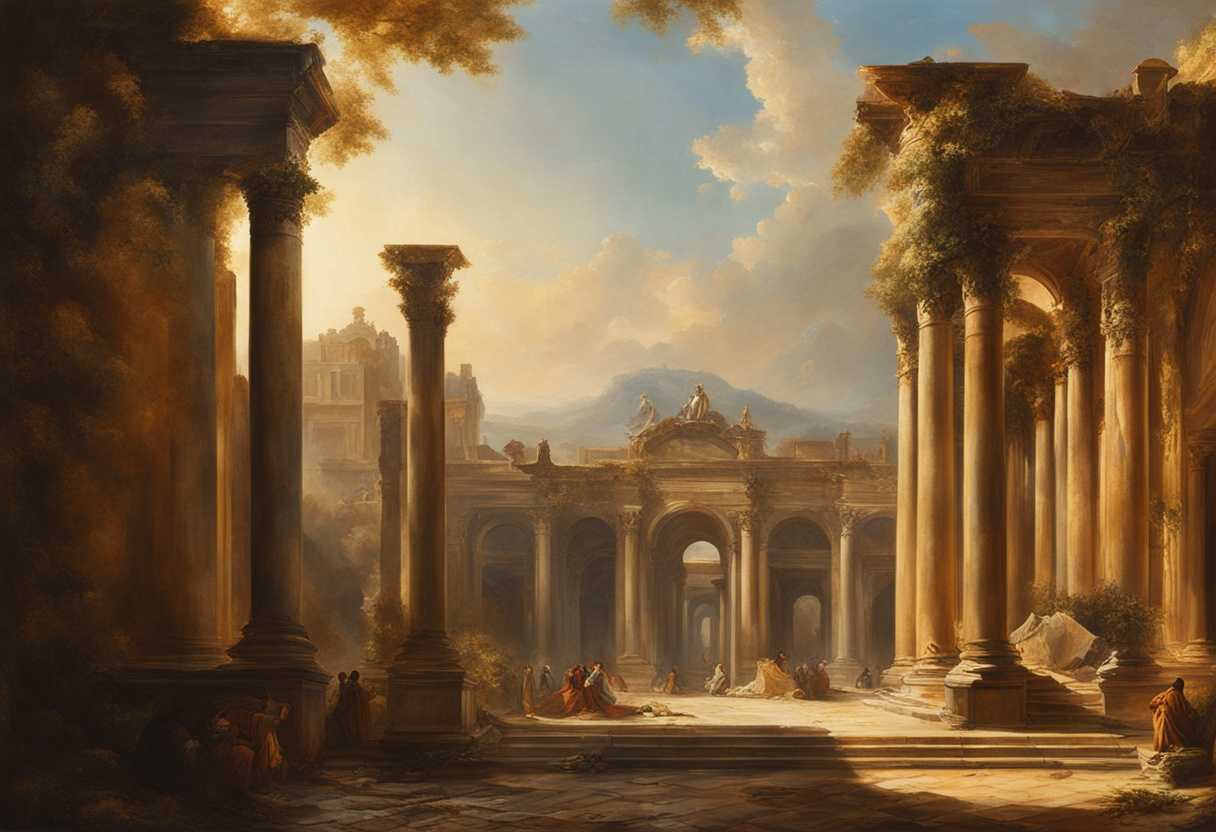
In this particular scenario, we can imagine a bustling marketplace in the city of Resen, situated strategically between the powerful cities of Nineveh and Calah. Traders from various regions have gathered in Resen to exchange goods and stories, creating a vibrant and diverse atmosphere. Among the crowd, we can picture descendants of Ham, Shem, and Japheth interacting with one another, their different languages and cultures blending in this cosmopolitan setting.
The scene is filled with the sights and sounds of a thriving city: merchants haggling over prices, children playing in the streets, and the aroma of spices and incense wafting through the air. As the sun sets over the horizon, casting a warm glow over the ancient city, the people of Resen continue their daily activities, unaware of the great events that will shape their future and the generations to come.
What is Genesis 10:12 about?
Genesis 10:12 sheds light on Nimrod, a prominent figure in ancient history known for his prowess as a hunter and ruler in this verse. Nimrod’s description as a mighty hunter signifies his skill and ability to successfully capture game, which was a crucial endeavor for survival in that era. Nimrod held significant power and authority over people during his time, as indicated by the mention of him as a ruler. This verse prompts us to contemplate the legacy and impact individuals can have in history as we ponder on its meaning. Nimrod’s dual characteristics as a skilled hunter and influential ruler reveal a multidimensional persona that is worth exploring further. This verse also serves as a reminder of the diverse roles and capabilities humans can possess, showcasing the blend of strength, leadership, and skill that can shape individuals into iconic figures of their time.
Reading about Nimrod in Genesis 10:12 invites us to reflect on the complexities of human nature and the various paths individuals can take to leave a mark on history. It prompts us to consider the intersections of power, skill, and influence that define great leaders throughout time. Individuals like Nimrod can have a lasting impact on the collective memory of humanity, ultimately serving as a reminder of the rich tapestry of human experiences.
Understanding what Genesis 10:12 really means
1. Introduction and Context
Genesis 10:12 is part of the Table of Nations, a detailed genealogical account that outlines the descendants of Noah’s sons—Shem, Ham, and Japheth—following the flood. This chapter is significant because it lays the foundation for understanding the dispersion of peoples and the origins of various nations. Within this larger context, we find particular verses highlighting notable places and figures. It’s important to see this verse not as an isolated statement but as part of the broader narrative of God’s plan for humanity.
2. Unpacking the Verse
When we look at the phrase “Resen between Nineveh and Calah; that is the great city,” we are presented with geographical and historical significance. Resen, Nineveh, and Calah are ancient cities in Mesopotamia. Nineveh, in particular, stands out later in the Bible, especially in the book of Jonah, where it is depicted as a major city to which God sends Jonah to preach repentance.
3. Biblical Cross-References
Genesis 10:12 connects neatly with other biblical texts. For instance, Nineveh’s mention ties into the Book of Jonah (Jonah 1:2) where God describes it as a “great city.” Furthermore, in Nahum 3:7, Nineveh’s eventual downfall is prophesied, emphasizing the city’s significance and eventual moral decline. These references add depth, helping us see how Nineveh’s story evolves through the Bible, illustrating themes of repentance, judgment, and mercy.
4. Relevance Today
Today, this passage underscores the importance of understanding our origins and the interconnectedness of humanity. It prompts us to reflect on our own histories and communities. Just as the ancient cities were known and remembered for their roles, we too are part of a larger story. The city’s greatness can be seen as a reminder of both human achievement and the need for divine guidance.
**5. The story of a forgotten town that once thrived is worth considering. Imagine rediscovering its history and learning from its past, both the triumphs and the failures. Much like an archaeologist piecing together artifacts, we can look at biblical history to understand better our spiritual heritage. Reflecting on these ancient cities can teach us about resilience, repentance, and the cyclical nature of human civilization.
6. Detailed Analysis
The term “great city” in Genesis 10:12 isn’t just a measure of size but also of influence and importance. This descriptor invites us to ponder what constitutes greatness in our own lives and communities. How do we measure significance? Is it through material prosperity, cultural impact, or moral integrity? The Bible often invites us to redefine greatness from a godly perspective (Matthew 20:26-28).
**7. Genesis 10:12 is more than a historical footnote in closing. It’s a doorway into understanding human civilization’s depth and God’s intricate plans for nations and individuals. We encourage reflection on our legacies and alignment of our lives with God’s greater narrative as we examine these ancient cities and their fate. What legacy are you building, and how does it align with the divine purpose?
How can we strive to live in God’s presence?
We can strive to live in God’s presence by acknowledging His sovereignty over our lives and recognizing His guidance in all that we do. We can cultivate a sense of awareness of His presence in our daily lives by trusting in His plans and seeking His will. This involves regular prayer, studying His word, and being open to His direction through the Holy Spirit.
Living in God’s presence also involves consciously choosing to align our thoughts, words, and actions with His teachings and commandments. We invite His presence to permeate every aspect of our lives by staying connected to Him through prayer and seeking His guidance in decision-making. We can experience the peace and joy that comes from living in His presence by cultivating a relationship with God through worship, obedience, and a desire to please Him.
Application
Picture your workplace or family thriving because everyone pitches in with a common goal. Genesis 10:12 calls us to unite and spread God’s love—just like a team pulling together to achieve a project. Let go of divisions, stand shoulder-to-shoulder, and share the gospel. Are you ready to link arms with your faith family and make a difference?

Reverend Michael Johnson is an experienced Church Minister with a profound expertise in spirituality and guidance. With a serene presence and a compassionate heart, he has faithfully served his congregation for over 20 years, leading them on a spiritual journey towards inner peace and enlightenment. Reverend Johnson’s extensive knowledge of religious philosophies and profound understanding of human nature have made him a trusted confidant and mentor to many, as he seamlessly weaves his profound wisdom into life teachings. Reverend Johnson’s calming demeanor and empathetic nature continue to uplift and heal souls, nurturing a sense of unity and tranquility within his community.