
23 If you do mistreat them, and they cry out to me, I will surely hear their cry,
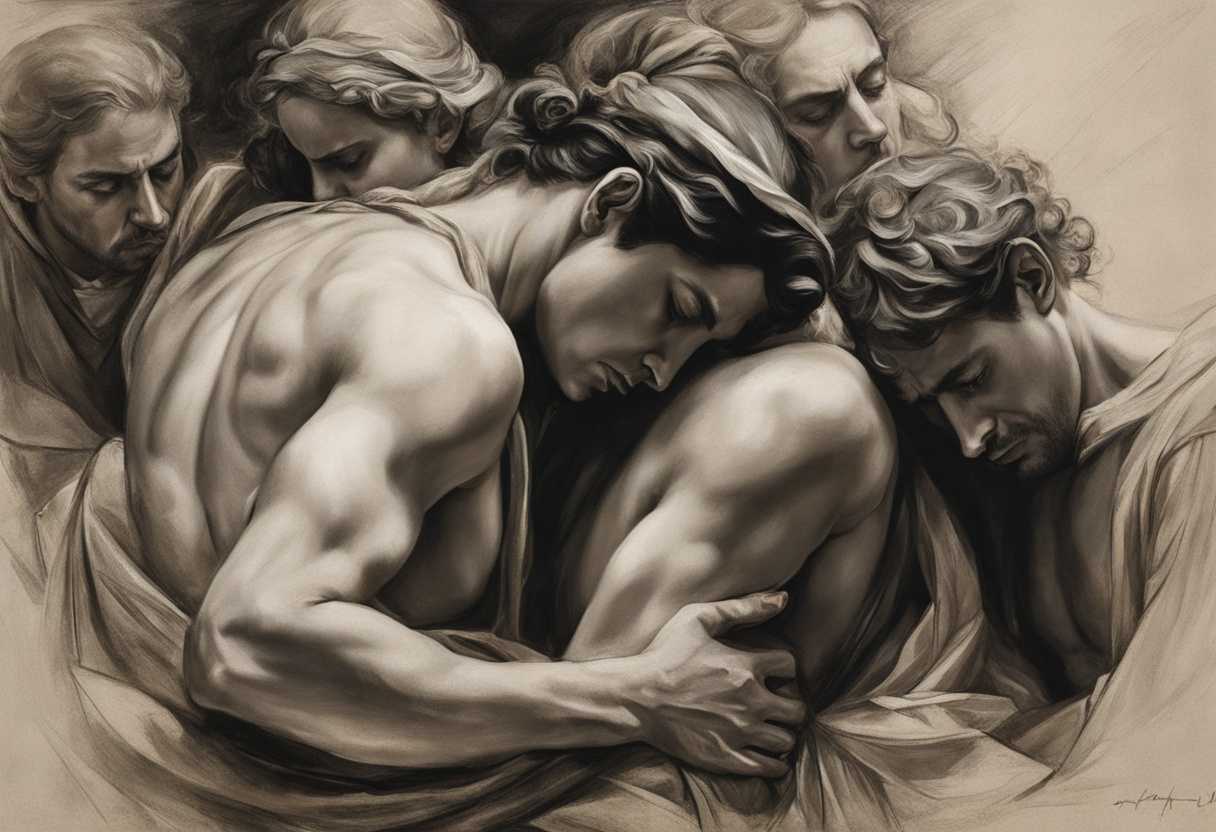
Setting the Scene for Exodus 22:23
In Exodus 22, we find the Israelites encamped at the foot of Mount Sinai, having recently been liberated from slavery in Egypt by the mighty hand of God. Moses, their leader, has ascended the mountain to receive the Ten Commandments and other laws from the Lord. As the people wait anxiously at the base of the mountain, a sense of awe and reverence fills the air, for they have witnessed the power and glory of God in the miraculous events of the Exodus.
Among the crowd are Aaron, Moses’ brother and the future high priest of Israel, along with other prominent leaders and elders of the tribes. The scene is set against the backdrop of the majestic mountain, its peak shrouded in clouds and thunder rumbling in the distance. The people are gathered in a semi-circle, their faces turned towards the mountain in anticipation of the divine revelation that is about to be imparted to them through Moses.
As they wait, Moses descends from the mountain, carrying the tablets of stone inscribed with the laws and commandments of God. The people fall silent as he approaches, their eyes fixed on the sacred tablets that represent the covenant between God and his chosen people. In this moment, the Israelites are reminded of their special relationship with the Almighty and the responsibilities that come with being a holy nation set apart for God’s purposes.
What is Exodus 22:23 about?
This powerful verse highlights the importance of treating the vulnerable members of society with kindness and respect. Widows and orphans were often marginalized and overlooked in ancient societies, lacking the protection and support that other members of the community may have had. The verse calls for compassion and empathy towards those who are in need of assistance and care by emphasizing the command to not mistreat them.
Imagine the loneliness and helplessness that widows and orphans may feel in a world that may not always be kind to them. This verse reminds us that God is always listening and watching over those who are suffering, and He expects us to extend our helping hands to them. It serves as a reminder to act with integrity and compassion, recognizing the inherent dignity and worth of every individual, regardless of their societal status.
So, let us reflect on our own actions and attitudes towards widows, orphans, and all those who are vulnerable. How can we show kindness and support to those who may be facing hardships? How can we ensure that they are treated with the same love and respect that we would want for ourselves? We can embody the message of this verse by standing up for the marginalized and lending a helping hand to those in need, knowing that a loving and just God sees and hears our actions.
Understanding what Exodus 22:23 really means
Commentary Structure
- Introduction and Context
- Analysis of Key Phrases
- Connection to Other Biblical Passages
- Relevance to Modern Life
- Anecdote for Illustration
- We find one of the richest sections delineating God’s laws to guide the Israelite community in the book of Exodus. Exodus 22:23 charges with God’s feelings towards justice, particularly for the vulnerable in society. To genuinely understand its depth, we need to view it in the context of the surrounding passages where God is instructing on social justice.
Analysis of Key Phrases
The verse speaks of God’s strong reaction to injustice faced by specific vulnerable groups. Phrases like “If you do mistreat them” and “I will surely hear their cry” point directly to God’s compassionate nature. “Mistreat” encompasses many forms of oppression, and “cry” signifies an earnest plea for help. God’s assurance here is unequivocal: He will not overlook their suffering but will act on their behalf.
Connection to Other Biblical Passages
This theme resonates throughout the Bible. For instance, in Deuteronomy 10:18, God is described as one who “defends the cause of the fatherless and the widow, and loves the foreigner residing among you, giving them food and clothing.” Similarly, in James 1:27, pure religion is defined by caring for “orphans and widows in their distress.” These passages collectively emphasize God’s consistent priority on justice and compassion. This verse remains deeply relevant in today’s context. We live in a world still fraught with inequalities and injustices. Disadvantaged groups—whether they’re refugees, single parents, or marginalized communities—still cry out for justice. God’s unwavering attention to these cries calls us to be vigilant and active in our advocacy for those who’ve been oppressed.
Anecdote for Illustration
I recall a story shared by a fellow pastor about a woman who had lost her home and was living with her children in a car. Local churches rallied around her, providing shelter, food, and assistance to get her back on her feet. Through this compassionate response, the woman’s “cry” was heard, and it was as if God was enacting this verse through His people. God’s heart for justice and His active involvement in human affairs are exemplified in Exodus 22:23. This invites us to critically reflect on our roles in our communities. Are we hearing the cries of the oppressed around us? What actions are we taking to align our hearts with God’s, ensuring that justice is not just an ideal but a living reality?
This verse challenges us to be more than passive observers; it calls us to be active participants in God’s work of justice in the world. Let’s ponder these questions and seek ways to act justly, love mercy, and walk humbly with our God (Micah 6:8).
How can we show kindness to the widows?
We can show kindness to widows by providing them with support and assistance, acknowledging their difficult circumstances and offering practical help. This can include anything from ensuring they have access to basic needs such as food, shelter, and clothing, to offering companionship and emotional support during times of loneliness or grief. We demonstrate the love and care that God desires us to extend to those who are vulnerable or in need by showing compassion and empathy towards widows.
Additionally, we can show kindness to widows by advocating for them and standing up for their rights and well-being. This may involve speaking out against injustice or discrimination they may face, and working to create a more inclusive and supportive community that values and uplifts widows. We embody the values of kindness, compassion, and justice that are central to our faith by actively seeking to improve the lives of widows and addressing the challenges they may encounter.
Application
Think of your life as a bustling city—work, family, endless tasks. Now imagine the widows, orphans, and foreigners as lost souls in this urban jungle. You have the power to be their guiding light. Show compassion and justice in concrete ways and turn God’s love into action. Will you step up and be the beacon they desperately need?

Reverend Michael Johnson is an experienced Church Minister with a profound expertise in spirituality and guidance. With a serene presence and a compassionate heart, he has faithfully served his congregation for over 20 years, leading them on a spiritual journey towards inner peace and enlightenment. Reverend Johnson’s extensive knowledge of religious philosophies and profound understanding of human nature have made him a trusted confidant and mentor to many, as he seamlessly weaves his profound wisdom into life teachings. Reverend Johnson’s calming demeanor and empathetic nature continue to uplift and heal souls, nurturing a sense of unity and tranquility within his community.