
2 When you buy a Hebrew slave, he shall serve six years, and in the seventh he shall go out free, for nothing.
Setting the Scene for Exodus 21:2
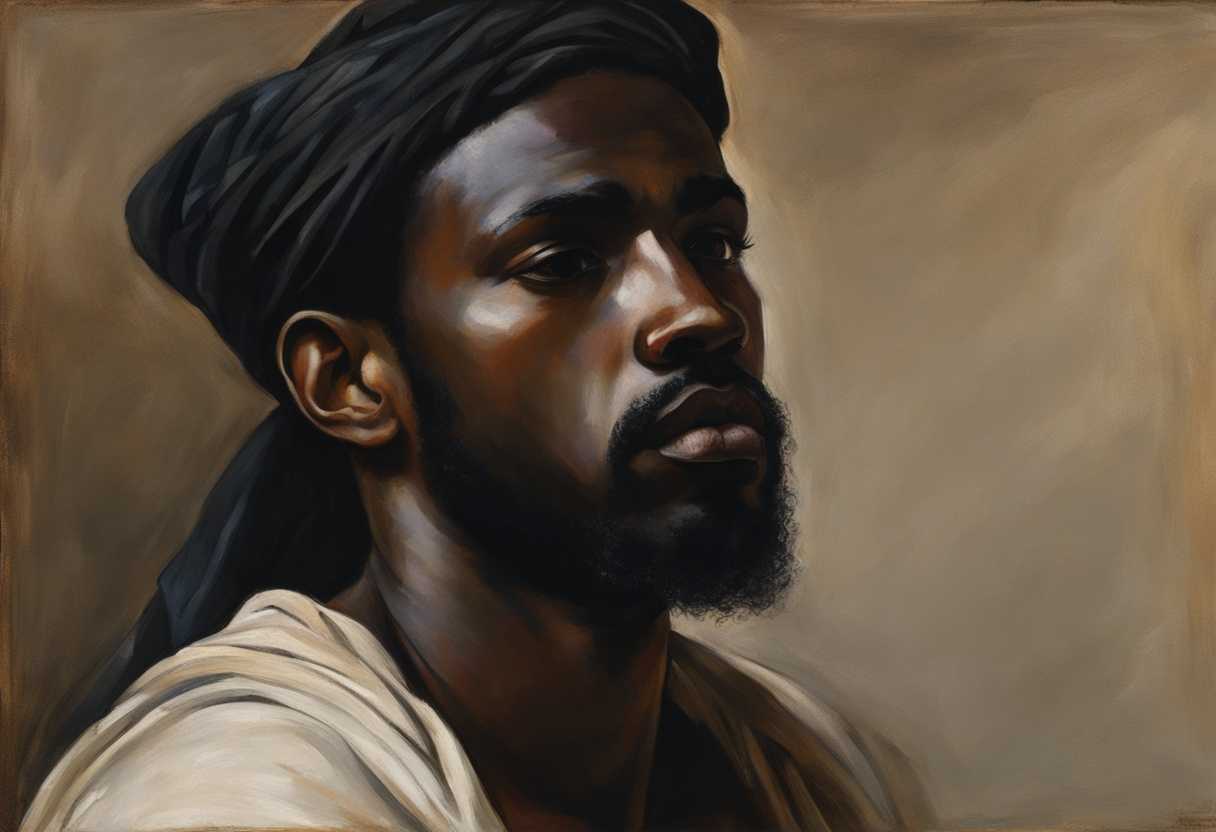
In Exodus chapter 21, we find Moses on Mount Sinai receiving laws and commandments from God for the Israelites. The scene is set with Moses standing before a vast assembly of the Israelites who have gathered at the foot of the mountain to hear the words of the Lord. The Israelites have been freed from slavery in Egypt and are now embarking on a journey to the Promised Land under the guidance of Moses.
Among the crowd are elders, leaders, men, women, and children, all eagerly listening as Moses imparts the laws given to him by God. The atmosphere is charged with anticipation and reverence as the people understand the significance of these laws in shaping their new society and relationship with God. The surroundings are awe-inspiring, with the majestic Mount Sinai towering above them, shrouded in clouds and thunder, emphasizing the divine nature of the moment.
As Moses begins to speak, the people fall silent, hanging on his every word as he lays out the laws that will govern their conduct and relationships with one another. Exodus 21:2 marks the beginning of a series of laws that cover various aspects of social justice, personal injury, and property rights, setting the foundation for a just and orderly society based on God’s principles. The scene is one of solemnity and importance, as the Israelites receive these laws as a gift from God to guide them in their new life as a chosen people.
What is Exodus 21:2 about?
Imagine being enslaved for years, having no control over your life, your time, or your future. Now, picture a ray of hope shining through the darkness – the promise of freedom after six long years of servitude. This verse from Exodus 21:2 gives us insight into the just and compassionate guidelines that God provided for Hebrew slaves in ancient times.
God’s commandment to release Hebrew slaves after six years not only demonstrates His love for His people but also reflects His intention for justice and equality among all individuals. God ensured that no one would remain enslaved indefinitely by setting a time limit on servitude, offering a chance for redemption and a new beginning.
This verse serves as a reminder of the importance of treating all individuals with dignity and respect, regardless of their social status or circumstances. It prompts us to reflect on our own actions and consider how we can promote freedom and fairness in our interactions with others. Isn’t it comforting to know that even in the midst of oppression, God’s promise of liberation shines brightly, showing us the way to a more just and compassionate society?
Understanding what Exodus 21:2 really means
Explanation and Commentary Structure:
- Introduction to Context
- Detailed Breakdown of Key Phrases
- Cross-References with Other Biblical Passages
- Relevance to Modern Readers
- Practical Application and Anecdote
- Conclusion and Reflection
Commentary:
1. Introduction to Context
The verse from Exodus 21:2 falls under the umbrella of God’s laws given to Moses on Mount Sinai, aimed at guiding the newly liberated Israelites. These laws structured their society and relationships, emphasizing justice and mercy. Specifically, this verse deals with the regulations around Hebrew servants – a subject that may seem archaic to contemporary readers.
2. Detailed Breakdown of Key Phrases
The key phrase in this verse is “six years he shall serve, and in the seventh he shall go out free for nothing.” This part of the scripture reveals a rhythm of work and rest, aligning with the concept of Sabbath. Serving for six years—akin to the six days of creation—and then being granted freedom, reflects God’s mercy and desire for renewal.
**3. The release of servants every Jubilee year in Leviticus 25:39-41 parallels the principle in Exodus 21:2. This ensures social equity and prevents perpetual servitude, reminding us of God’s compassion and sense of justice. Additionally, Deuteronomy 15:12-15 reaffirms this mandate, emphasizing that freed servants should not be sent away empty-handed but provided generously, highlighting God’s provision.
4. Relevance to Modern Readers
For today’s believers, the principle behind this verse speaks to themes of justice, dignity, and restoration. Although the literal application of servitude may no longer apply, the ethos of treating others fairly and ensuring their dignity remains vital. Respecting the limits of human labor and providing avenues for rest and renewal in our work environments and communities express these timeless principles.
5. Practical Application and Anecdote
Reflect on a workplace scenario. Imagine an overworked colleague who hasn’t taken a break in years. Implementing the essence of this verse means recognizing their efforts and advocating for their much-needed rest. Once, a member of our congregation, Sarah, shared how her company initiated a policy ensuring employees take at least one week off every six months. This move drastically improved morale and productivity, serving as a modern interpretation of the biblical principle.
6. Conclusion and Reflection
This directive from Exodus reminds us of the balance God intended between work and rest. It challenges us to reflect on our practices, consider how we treat others, and advocate for fair and compassionate systems in our daily lives. We enrich our communities and lives by embodying the spirit of this verse, mirroring God’s justice and mercy.
Reflect on your own life: Are there areas where you’ve neglected the need for rest and renewal? How can you implement these principles in your immediate environment to foster a culture of dignity and care?
In what ways can we offer freedom to others?
We can offer freedom to others by understanding and respecting their rights and autonomy. We can work towards creating a society where everyone is treated with equality and fairness by acknowledging the inherent dignity of every individual. This includes upholding the principles of justice and compassion in our interactions with others, ensuring that they have the freedom to make choices and decisions for themselves.
Furthermore, offering freedom to others involves advocating for those who may be oppressed or marginalized. It means using our voices and influence to stand up against injustice and work towards a more inclusive and equitable world. We can contribute to breaking the chains of oppression and fostering a community where everyone has the opportunity to thrive and live freely by being a source of support and empowerment for those in need.
Application
Think about how you juggle work and family—your busy life. Now, consider those who struggle daily and need a helping hand. Are you ready to be the coworker who lifts the weight off someone’s shoulders or the neighbor who shares a meal? Step up, show kindness, and make a difference. How will you answer the call to support those around you?

Reverend Michael Johnson is an experienced Church Minister with a profound expertise in spirituality and guidance. With a serene presence and a compassionate heart, he has faithfully served his congregation for over 20 years, leading them on a spiritual journey towards inner peace and enlightenment. Reverend Johnson’s extensive knowledge of religious philosophies and profound understanding of human nature have made him a trusted confidant and mentor to many, as he seamlessly weaves his profound wisdom into life teachings. Reverend Johnson’s calming demeanor and empathetic nature continue to uplift and heal souls, nurturing a sense of unity and tranquility within his community.