
1 O Lord my God, in you do I take refuge; save me from all my pursuers and deliver me,
2 lest like a lion they tear my soul apart,
rending it in pieces, with none to deliver.
3 O Lord my God, if I have done this,
if there is wrong in my hands,
4 if I have repaid my friend with evil
or plundered my enemy without cause,
5 let the enemy pursue my soul and overtake it,
and let him trample my life to the ground
and lay my glory in the dust. Selah
6 Arise, O Lord, in your anger;
lift yourself up against the fury of my enemies;
awake for me; you have appointed a judgment.
7 Let the assembly of the peoples be gathered about you;
over it return on high.
8 The Lord judges the peoples; judge me, O Lord, according to my righteousness and according to the integrity that is in me.
9 Oh, let the evil of the wicked come to an end, and may you establish the righteous— you who test the minds and hearts, O righteous God!
10 My shield is with God,
who saves the upright in heart.
11 God is a righteous judge, and a God who feels indignation every day.
12 If a man does not repent, God will whet his sword; he has bent and readied his bow;
13 He has prepared for him his deadly weapons,
making his arrows fiery shafts.
14 Behold, the wicked man conceives evil and is pregnant with mischief and gives birth to lies.
15 He makes a pit, digging it out,
and falls into the hole that he has made.
16 His mischief returns upon his own head,
and on his own skull his violence descends.
17 I will give to the Lord the thanks due to his righteousness,
and I will sing praise to the name of the Lord, the Most High.
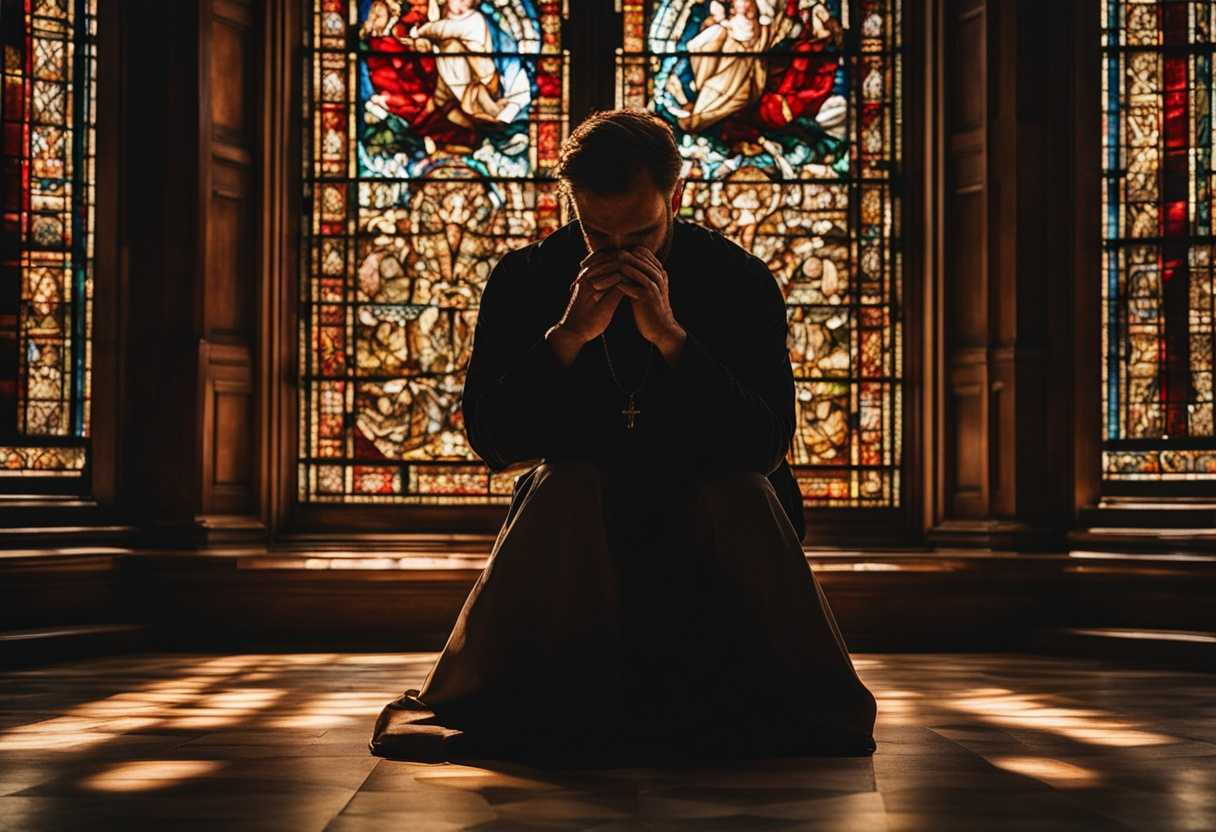
The True Meaning of Psalms 7
The Book of Psalms is a collection of sacred songs and prayers attributed to King David, the second king of ancient Israel. David seeks refuge in God in this particular psalm, calling upon Him for protection and justice against his enemies.
This chapter foreshadows the ongoing conflict between David and those who seek to undermine his rightful claim to the throne. As we delve into the text, we will witness David’s unwavering faith in the Lord, his plea for divine intervention, and his confidence in God’s ultimate judgment.
Throughout this passage, David makes references to other significant events and figures in the biblical narrative, such as the story of Cush, a Benjamite, who is believed to have falsely accused David. This connection highlights the broader context of David’s struggles and the importance of his relationship with God in the face of adversity.
Psalms 7:1-5
The psalmist in Psalms 7:1-5 cries out for justice and protection. Let’s examine this verse piece by piece.
Verse 1 starts with “Lord my God, I take refuge in you; save and deliver me from all who pursue me.” Here we see the psalmist turning to God for refuge and deliverance from his enemies. This shows the psalmist’s trust in God’s protection and his belief that God is the ultimate source of safety and salvation. It is a powerful reminder for us today that in times of trouble or persecution, we can always seek refuge in God and trust in His deliverance. This message is echoed in verses like Psalm 18:2 which says, “The Lord is my rock, my fortress and my deliverer; my God is my rock, in whom I take refuge, my shield and the horn of my salvation, my stronghold.”
Verse 2 states, “or they will tear me apart like a lion and rip me to pieces with no one to rescue me.” The psalmist vividly describes the danger he faces from his enemies, portraying them as fierce and merciless like a lion. This imagery conveys the urgency and severity of the situation, highlighting the psalmist’s vulnerability and desperate need for God’s intervention. This verse reminds us of the spiritual battle we face against forces of evil, as mentioned in Ephesians 6:12, “For our struggle is not against flesh and blood, but against the rulers, against the authorities, against the powers of this dark world and against the spiritual forces of evil in the heavenly realms. The psalmist implores the Lord his God in Verse 3, saying, “Lord my God, if I have done this and there is guilt on my hands.”” Here the psalmist acknowledges the possibility of guilt or wrongdoing on his part, expressing his willingness to accept responsibility for his actions. This demonstrates humility and a willingness to seek forgiveness and redemption from God. It reminds us of the importance of self-reflection and repentance in our relationship with God, as highlighted in Psalm 32:5, “Then I acknowledged my sin to you and did not cover up my iniquity. I said, ‘I will confess my transgressions to the Lord.’ And you forgave the guilt of my sin. The psalmist prays in Verse 4, “if I have repaid my ally with evil or without cause have robbed my foe.”” Here, the psalmist calls upon God to judge him fairly based on his actions towards others. This verse reflects the psalmist’s integrity and desire for justice, as he seeks accountability for his interactions with both his allies and foes. It serves as a reminder for us to always treat others with fairness and kindness, following the commandment in Luke 6:31, “Do to others as you would have them do to you.”
Verse 5 closes with, “then let my enemy pursue and overtake me; let him trample my life to the ground and make me sleep in the dust. The psalmist expresses a willingness to face the consequences of his actions if he is found guilty in this concluding verse of the passage. This verse highlights the psalmist’s commitment to righteousness and acceptance of the potential outcomes of his choices. It underscores the importance of personal accountability and the understanding that our actions have consequences, as stated in Galatians 6:7, “Do not be deceived: God cannot be mocked. A man reaps what he sows. Themes of seeking refuge in God, humility, justice, integrity, and accountability are seen in examining Psalms 7:1-5. The psalmist’s plea for protection and judgment serves as a timeless reminder for us to trust in God’s deliverance, reflect on our actions, seek forgiveness, treat others with fairness, and accept responsibility for our choices.
Psalms 7:6-9
The verses in Psalms 7:6-9 read, “Arise, Lord, in your anger; rise up against the rage of my enemies.” Awake, my God; decree justice. Let the assembled peoples gather around you, while you sit enthroned over them on high. Let the Lord judge the peoples. Vindicate me, Lord, according to my righteousness, according to my integrity, O Most High.”
The first part of this passage calls upon the Lord to arise in anger against the Psalmist’s enemies and to decree justice. This plea for divine intervention reflects a common theme throughout the Psalms, where the psalmists often turn to God for protection and deliverance from their adversaries. The image of God as a righteous judge who will ultimately bring about justice is a recurring motif in the Bible. It shows the psalmist’s belief in God’s sovereignty and faith in His ability to right the wrongs perpetrated against him.
The psalmist then goes on to request for the Lord to judge the peoples and vindicate him according to his righteousness and integrity. Here, the psalmist is confident in his own innocence and trust in God’s fairness to uphold justice on his behalf. This belief in divine justice resonates strongly in the Bible, where the concept of righteousness and integrity are repeatedly emphasized as qualities that God values and rewards. Throughout the Bible, we see examples of individuals who stood firm in their faith and integrity, and were ultimately vindicated by God. These verses from Psalms 7 reveal a deep trust in God’s sovereignty and justice. The psalmist’s plea for vindication against his enemies is a reminder of the unwavering faith that believers are encouraged to have in God, even in the face of adversities and challenges. These verses serve as a powerful reminder of the importance of seeking God’s justice and righteousness in times of trouble and placing our trust in Him to deliver us from our enemies.
Psalms 7:10-13
God Most High is my shield, saving the upright in heart, as read in Psalms 7:10-13. God is a righteous judge, a God who displays his wrath every day. If he does not relent, he will sharpen his sword; he will bend and string his bow. He has prepared his deadly weapons; he makes ready his flaming arrows.”
Breaking this down, the Psalmist starts by declaring that his shield is God Most High. This imagery of God as a shield illustrates divine protection and defense for those who are faithful and upright in heart. The concept of God being a shield is a recurring theme in the Bible, signifying His role as a protector and refuge for His people. This imagery can be found in passages like Psalm 18:2, where God is described as a shield and the horn of salvation for His anointed.
The Psalmist goes on to describe God as a righteous judge who displays His wrath against the wicked. Here, we see a depiction of God’s justice and judgment. Throughout the Bible, we encounter stories of God acting as a just judge, such as in the account of the flood in Genesis 6-9, where God’s judgment is enacted against the wickedness of humanity. These verses remind us that God’s righteousness and justice are integral aspects of His character.
The imagery of God sharpening His sword, bending His bow, and preparing His deadly weapons conveys a sense of impending judgment and punishment for the unrepentant. This imagery may evoke thoughts of God’s power and authority to execute judgment on those who persist in evil ways. God brings judgment upon individuals or nations that have turned away from Him in instances we see in the Bible, such as the story of Sodom and Gomorrah in Genesis 19 or the downfall of the wicked in the book of Esther. These verses in Psalms 7 serve as a reminder of God’s role as a protector of the righteous and a just judge against the wicked. They underscore the importance of living with integrity and uprightness before God, knowing that He sees all and will ultimately bring judgment according to His righteousness. The powerful imagery used in these verses conveys the seriousness of God’s judgment while also highlighting His mercy and protection for those who trust in Him.
Psalms 7:14-17
Let’s break down the verses in Psalm 7:14-17 into sections for a more detailed analysis. The verses state:
14) “Behold, the wicked brings forth iniquity; Yes, he conceives trouble and brings forth falsehood.”
15) “He made a pit and dug it out, And has fallen into the ditch which he made.”
16) “His trouble shall return upon his own head, And his violent dealing shall come down on his own crown.”
17) “I will praise the Lord according to His righteousness, And will sing praise to the name of the Lord Most High.”
Looking at the first section, verse 14, we see a vivid description of the characteristics of the wicked. The wicked are depicted as actively bringing forth iniquity, trouble, and falsehood. This paints a picture of someone who not only commits sinful acts but also plans and schemes to carry them out. Their heart is filled with deceit, and they bring forth evil intentions. This serves as a reminder that the actions and thoughts of the wicked are opposed to God and His commandments. David is likely referring to his enemies in Psalms 7, who are scheming against him, bringing trouble and falsehood into his life. This verse teaches us about the destructive nature of wickedness and the importance of living in accordance with God’s will to avoid such pitfalls.
Moving on to verse 15, we witness a sense of poetic justice. The wicked individual is described as digging a pit or setting a trap for others, but ultimately, they end up falling into the very same trap they designed for someone else. This concept reflects a biblical principle found in other verses like Proverbs 26:27, which states, “Whoever digs a pit will fall into it, and a stone will come back on him who starts it rolling.” This notion of reaping what one sows is a recurring theme in the Bible and serves as a warning against evildoers. The imagery presented in this verse underscores the idea that God’s justice prevails, and the wicked will face the consequences of their actions.
Continuing to verse 16, we see a continuation of the theme of divine retribution. The trouble that the wicked individual created for others will boomerang back upon them. Their violent and unjust behavior will result in their own downfall. This passage echoes the principle articulated in Galatians 6:7, “Do not be deceived: God is not mocked, for whatever one sows, that will he also reap.” The message here is clear – God’s justice operates on a cosmic scale, ensuring that everyone is held accountable for their deeds. Those who engage in wickedness will eventually face the repercussions of their actions.
Finally, in verse 17, the focus shifts towards praise and worship of the Lord. Despite the challenges and schemes of the wicked, the psalmist affirms his trust in the righteousness of God. Regardless of the trials he faces, he chooses to praise the Lord and exalt His name. This declaration reflects a deep faith and reliance on God’s sovereignty and goodness. It serves as a powerful reminder that even in the midst of adversity, our response should be to turn towards God in worship and gratitude. This verse emphasizes the importance of maintaining a posture of praise and thanksgiving, honoring God for His righteousness and supremacy. Psalm 7:14-17 encapsulates profound truths about the nature of wickedness, divine justice, and the power of praise in the face of adversity. It underscores the timeless message of God’s faithfulness to uphold righteousness and hold the wicked accountable. We encourage readers to reflect on their actions, trust in God’s justice, and offer Him praise in all circumstances.
After Psalms 7
The Lord’s Righteous Judgment
The psalmist cried out to the Lord, seeking refuge from his enemies. He professed his innocence and asked God to judge him fairly. The psalmist expressed confidence in God’s justice, knowing that the wicked would be punished.
He declared that the Lord was a righteous judge, who examined the hearts and minds of all people. The psalmist called upon God to rise up and execute judgment on the unrighteous, that they might see the error of their ways and turn back to the Lord. The psalmist affirmed his trust in God’s unfailing love in the final verses and promised to praise the Lord for his righteousness. He looked forward to the day when the Lord would establish his kingdom and bring true justice to the world.

Reverend Michael Johnson is an experienced Church Minister with a profound expertise in spirituality and guidance. With a serene presence and a compassionate heart, he has faithfully served his congregation for over 20 years, leading them on a spiritual journey towards inner peace and enlightenment. Reverend Johnson’s extensive knowledge of religious philosophies and profound understanding of human nature have made him a trusted confidant and mentor to many, as he seamlessly weaves his profound wisdom into life teachings. Reverend Johnson’s calming demeanor and empathetic nature continue to uplift and heal souls, nurturing a sense of unity and tranquility within his community.