
1 The wilderness and the dry land shall be glad;
the desert shall rejoice and blossom like the crocus;
2 It shall blossom abundantly and rejoice with joy and singing. The glory of Lebanon shall be given to it, the majesty of Carmel and Sharon. They shall see the glory of the Lord, the majesty of our God.
3 Strengthen the weak hands,
and make firm the feeble knees.
4 Say to those who have an anxious heart, “Be strong; fear not! Behold, your God will come with vengeance, with the recompense of God. He will come and save you.”
5 Then the eyes of the blind shall be opened,
and the ears of the deaf unstopped;
6 Then shall the lame man leap like a deer, and the tongue of the mute sing for joy. For waters break forth in the wilderness, and streams in the desert.
7 And the burning sand shall become a pool, and the thirsty ground springs of water; in the haunt of jackals, where they lie down, the grass shall become reeds and rushes.
8 And a highway shall be there,
and it shall be called the Way of Holiness;
the unclean shall not pass over it.
It shall belong to those who walk on the way;
even if they are fools, they shall not go astray.
9 No lion shall be there, nor shall any ravenous beast come up on it; they shall not be found there, but the redeemed shall walk there.
10 And the ransomed of the Lord shall return
and come to Zion with singing;
everlasting joy shall be upon their heads;
they shall obtain gladness and joy,
and sorrow and sighing shall flee away.
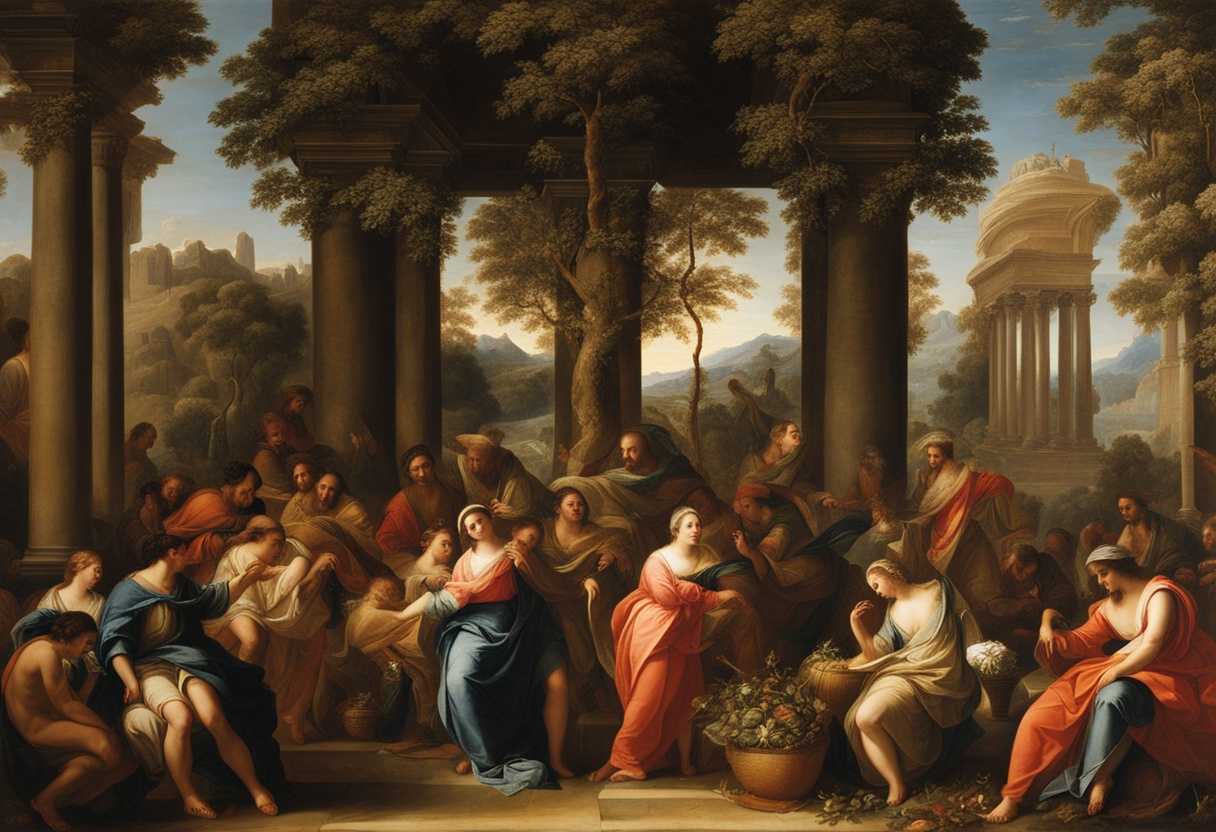
The True Meaning of Isaiah 35
The book of Isaiah was written by the prophet Isaiah, who lived during the reigns of several Judean kings in the 8th century BCE. Isaiah was known for his powerful messages of judgment and hope, as he spoke on behalf of God to the people of Judah and Jerusalem. Isaiah offers a vision of restoration and renewal for the people of God in this chapter. He paints a picture of a transformed wilderness, where the parched land will blossom, and the weak will be strengthened. This passage foreshadows the coming of the Messiah, who will bring healing and deliverance to the people.
We see echoes of this vision in other parts of Scripture, such as the promise of a new heaven and a new earth in Revelation 21. Isaiah’s words remind us that God is at work, even in the midst of darkness and despair, to bring about His perfect plan of redemption. May this passage fill us with hope and anticipation for the day when God’s kingdom will come in all its fullness as we reflect on it.
Isaiah 35:1-4
The prophet Isaiah paints a vivid picture of restoration and flourishing in Isaiah 35:1-4. The verse begins with a call to the wilderness and the desert to rejoice and burst into bloom with abundant flowers. This imagery signifies a transformation from desolation and barrenness to fertility and abundance. It speaks to the idea that even the most desolate and dry areas can be transformed by the hand of God into something beautiful and lush.
This transformation is not only physical but also has spiritual significance. The wilderness and the desert can symbolize times of trial, hardship, and spiritual barrenness in our lives. The call to rejoice and bloom serves as a reminder that God has the power to bring life and growth in the most unlikely and difficult circumstances. This message is timeless and universal, offering hope and encouragement to all who may be going through challenging times.
The mention of the glory of Lebanon, the splendor of Carmel and Sharon, and the majesty of Mount Carmel highlights the richness and beauty of these landscapes. These were well-known areas in ancient Israel that were considered as symbols of fertility and abundance. Isaiah emphasizes the extent of the transformation that God will bring about by referencing these locations – from desolation to beauty, from barrenness to fruitfulness. This mirrors the promise of restoration and flourishing that God offers to His people throughout the Bible.
Verse 4 of Isaiah 35 encourages those who are fearful and anxious to take courage and not be afraid because God is coming with vengeance. This may sound harsh, but in the context of the verse, it signifies God’s justice and protection for His people. It is a reassurance that those who have been oppressed or afflicted will receive vindication and deliverance from their oppressors. This theme of God’s justice and protection is echoed throughout the Bible, emphasizing His commitment to defend the vulnerable and bring about justice in the face of injustice. Isaiah 35:1-4 conveys a message of hope, transformation, and divine intervention overall. It speaks to the power of God to bring life and beauty out of desolation, to offer courage in times of fear, and to bring justice to the oppressed. It serves as a reminder that no situation is beyond God’s ability to redeem and restore, and that His promises of abundance and protection are steadfast and unwavering throughout history.
Isaiah 35:5-7
Several important sections can be distinguished in Isaiah 35:5-7. “Then will the eyes of the blind be opened and the ears of the deaf unstopped.”
Here, the prophet Isaiah speaks of a time of restoration and healing. The imagery of the blind seeing and the deaf hearing is often used throughout the Bible to symbolize not only physical healing but also spiritual enlightenment. This passage foreshadows the miracles that Jesus performed during His ministry on Earth. Jesus demonstrates His divine power over physical ailments by healing the blind (Matthew 9:27-30) and the deaf (Mark 7:32-37) in the Gospels. Beyond the physical healings, these acts also serve as metaphors for the spiritual healing and awakening that Jesus brings to humanity. The promise of restoration and healing in Isaiah 35 can be seen as a pointer to the transformative power of faith in God.
-
“Then will the lame leap like a deer, and the mute tongue shout for joy.”
This verse continues the theme of physical healing and restoration. The image of the lame leaping like a deer conveys a sense of joy and freedom that comes from being healed. This imagery is evocative of the liberation and joy that is experienced when one is set free from physical or spiritual burdens. Jesus heals the lame, such as the man at the Pool of Bethesda (John 5:1-15), in the New Testament, illustrating His ability to bring wholeness and vitality to those who are broken and suffering. The idea of the mute tongue shouting for joy also symbolizes the transformation that takes place when one experiences the healing power of God. It emphasizes the profound impact that healing and restoration can have on an individual, enabling them to fully express their gratitude and praise. -
“Water will gush forth in the wilderness and streams in the desert.”
This verse speaks of a miraculous transformation of the natural landscape, turning barren wilderness into flourishing abundance. Water is a recurring symbol of life, cleansing, and renewal throughout the Bible. God’s provision and sustenance for His people in the Old Testament is often represented by water, as seen in the story of the Israelites wandering in the desert and God providing water from a rock (Exodus 17:1-7). The image of water gushing forth in the wilderness conveys a sense of unexpected abundance and blessing in the midst of barrenness. It symbolizes God’s ability to bring life and growth in the most desolate of circumstances. This verse serves as a reminder that no situation is beyond God’s transformative power, and He is able to bring forth life and hope even in the midst of the most challenging situations. Isaiah 35:5-7 paints a picture of transformation, healing, and restoration that comes from the power of God. It reminds us of God’s ability to bring light to the blind, freedom to the captive, and joy to the broken. This passage points to the ultimate fulfillment of these promises in Jesus Christ, who proclaimed good news to the poor, freedom to the prisoners, and sight to the blind (Luke 4:18-19). We reflect on these verses and are encouraged to place our trust in God’s ability to bring about miraculous change in our lives and in the world around us. The message of hope and renewal found in Isaiah 35 continues to speak to us today, reminding us of the ever-present power of God to heal, transform, and renew all things.
Isaiah 35:8-10
“It says in Isaiah 35:8-10, ‘And a highway shall be there, and a way, and it shall be called The way of holiness; the unclean shall not pass over it; but it shall be for those: the wayfaring men, though fools, shall not err therein.’” No lion shall be there, nor any ravenous beast shall go up thereon, it shall not be found there; but the redeemed shall walk there: And the ransomed of the Lord shall return, and come to Zion with songs and everlasting joy upon their heads: they shall obtain joy and gladness, and sorrow and sighing shall flee away. The prophet Isaiah in this passage is painting a vivid picture of a transformation that will take place in the wilderness. The highway mentioned symbolizes a path of righteousness and holiness that God will make for His people. This highway represents a spiritual journey that leads to God’s presence and favor. It is a way where the unclean and wicked will not be able to travel, highlighting God’s separation of His chosen people from those who are not in alignment with His will.
The mention of “wayfaring men, though fools, shall not err therein” demonstrates that even those who may lack wisdom or understanding will be able to find and stay on this path of holiness. This speaks to the accessibility of God’s salvation and grace to all who seek Him, regardless of their worldly knowledge or status.
The absence of lions and ravenous beasts along this highway is symbolic of the removal of obstacles and dangers that could hinder the journey of the redeemed. This signifies God’s protection and provision for His people as they walk in obedience and faithfulness along the path He has set before them. The image of a safe and secure passage underscores the idea that God’s way is one of safety and peace for His children.
The mention of the redeemed returning and coming to Zion with songs and everlasting joy reflects the ultimate destination of God’s people – a place of worship, praise, and eternal happiness in His presence. Zion, often associated with Jerusalem and representing God’s dwelling place, is a symbol of the final destination of the faithful believers. This imagery of joy, gladness, and the fleeing of sorrow and sighing emphasizes the contrast between the temporal struggles of this world and the eternal bliss of the Kingdom of God.
The overall message of Isaiah 35:8-10 is one of hope, assurance, and victory for those who choose to walk in God’s ways. It encourages believers to stay on the path of righteousness, trust in God’s guidance and protection, and look forward to the ultimate fulfillment of His promises. This passage echoes themes of redemption, restoration, and the triumph of God’s Kingdom, which are prevalent throughout the Bible. It serves as a reminder that God’s plans are sure, His ways are perfect, and His faithfulness endures forever.
After Isaiah 35
The chapter concluded with a vision of the restoration of God’s people. The prophet foretold a time when the wilderness would blossom, the blind would see, the lame would leap, and the mute would sing. This promised renewal would be a sign of the Lord’s coming to save His people. We will see how this vision of restoration was meant to encourage the people during a time of great trial and hardship as we move into the next chapter. The Lord had not abandoned them, but was preparing to act mightily on their behalf. Though the path ahead may have seemed bleak, the faithful could take heart in God’s unfailing promises.

Reverend Michael Johnson is an experienced Church Minister with a profound expertise in spirituality and guidance. With a serene presence and a compassionate heart, he has faithfully served his congregation for over 20 years, leading them on a spiritual journey towards inner peace and enlightenment. Reverend Johnson’s extensive knowledge of religious philosophies and profound understanding of human nature have made him a trusted confidant and mentor to many, as he seamlessly weaves his profound wisdom into life teachings. Reverend Johnson’s calming demeanor and empathetic nature continue to uplift and heal souls, nurturing a sense of unity and tranquility within his community.