
1 Give ear, O my people, to my teaching;
incline your ears to the words of my mouth!
2 I will open my mouth in a parable;
I will utter dark sayings from of old,
3 things that we have heard and known,
that our fathers have told us.
4 We will not hide them from their children,
but tell to the coming generation
the glorious deeds of the Lord, and his might,
and the wonders that he has done.
5 He established a testimony in Jacob
and appointed a law in Israel,
which he commanded our fathers
to teach to their children,
6 that the next generation might know them,
the children yet unborn,
and arise and tell them to their children,
7 so that they should set their hope in God
and not forget the works of God,
but keep his commandments;
8 and that they should not be like their fathers,
a stubborn and rebellious generation,
a generation whose heart was not steadfast,
whose spirit was not faithful to God.
9 The Ephraimites, armed with the bow,
turned back on the day of battle.
10 They did not keep God’s covenant,
but refused to walk according to his law.
11 They forgot his works and the wonders that he had shown them.
12 marvels he performed in the sight of their fathers, in the land of Egypt, in the fields of Zoan.
13 He divided the sea and let them pass through it,
and made the waters stand like a heap.
14 In the daytime he led them with a cloud,
and all the night with a fiery light.
15 He split rocks in the wilderness
and gave them drink abundantly as from the deep.
16 He made streams come out of the rock
and caused waters to flow down like rivers.
17 Yet they sinned still more against him,
rebelling against the Most High in the desert.
18 They tested God in their heart
by demanding the food they craved.
19 They spoke against God, saying, “Can God spread a table in the wilderness?
20 He struck the rock so that water gushed out
and streams overflowed.
Can he also give bread
or provide meat for his people?”
21 Therefore, when the Lord heard, he was full of wrath; a fire was kindled against Jacob; his anger rose against Israel,
22 because they did not believe in God
and did not trust his saving power.
23 Yet he commanded the skies above and opened the doors of heaven.
24 and he rained down on them manna to eat
and gave them the grain of heaven.
25 Man ate of the bread of the angels; he sent them food in abundance.
26 he let loose the east wind from the heavens
and led forth the south wind by his power.
27 He rained meat on them like dust,
winged birds like the sand of the seas.
28 Then they cried to the Lord in their trouble,
and he delivered them from their distress.
29 And they ate and were well filled,
for he gave them what they craved.
30 They were not estranged from their craving;
yet while their food was still in their mouths,
31 the anger of God rose against them,
and he killed the strongest of them
and laid low the young men of Israel.
32 In spite of all this, they still sinned; despite his wonders, they did not believe.
33 Therefore, their days were consumed like a breath, and their years in terror.
34 When he killed them, they sought him; they repented and sought God earnestly.
35 They remembered that God was their rock,
the Most High God their redeemer.
36 But they flattered him with their mouths;
they lied to him with their tongues.
37 Their heart was not steadfast toward him;
they were not faithful to his covenant.
38 Yet he, being compassionate,
atoned for their iniquity
and did not destroy them;
he restrained his anger often
and did not stir up all his wrath.
39 He remembered that they were but flesh,
a wind that passes and comes not again.
40 How often they rebelled against him in the wilderness
and grieved him in the desert!
41 They tested God again and again
and provoked the Holy One of Israel.
42 They did not remember his power or the day when he redeemed them from the foe,
43 when he performed his signs in Egypt
and his marvels in the fields of Zoan.
44 and turned their rivers to blood, so that they could not drink from their streams.
45 He sent among them swarms of flies, which devoured them, and frogs, which destroyed them.
46 He gave their crops to the destroying locust
and the fruit of their labor to the locust.
47 He destroyed their vines with hail
and their sycamores with frost.
48 he gave over their cattle to the hail
and their flocks to thunderbolts.
49 He let loose on them his burning anger, wrath, indignation, and distress, a company of destroying angels.
50 He made a path for his anger; he did not spare them from death, but gave their lives over to the plague.
51 He struck down every firstborn in Egypt,
the firstfruits of their strength in the tents of Ham.
52 Then he led out his people like sheep
and guided them in the wilderness like a flock.
53 He led them in safety, so that they were not afraid,
but the sea overwhelmed their enemies.
54 And he brought them to his holy land, to the mountain which his right hand had won.
55 He drove out nations before them;
he apportioned them for a possession
and settled the tribes of Israel in their tents.
56 Yet they tested and rebelled against the Most High God
and did not keep his testimonies,
57 But turned back and acted treacherously like their fathers;
they twisted like a deceitful bow.
58 For they provoked him to anger with their high places;
they moved him to jealousy with their idols.
59 When God heard, he was full of wrath,
and he utterly rejected Israel.
60 He forsook his dwelling at Shiloh,
the tent where he dwelt among mankind,
61 and delivered his power to captivity,
his glory to the hand of the foe.
62 He gave his people over to the sword
and vented his wrath on his heritage.
63 Fire devoured their young men,
and their young women had no marriage song.
64 Their priests fell by the sword,
and their widows made no lamentation.
65 Then the Lord awoke as from sleep,
like a strong man shouting because of wine.
66 And he put his adversaries to rout;
he put them to everlasting shame.
67 Then he rejected the tent of Joseph; he did not choose the tribe of Ephraim,
68 But he chose the tribe of Judah,
Mount Zion, which he loves.
69 He built his sanctuary like the high heavens,
like the earth, which he has founded forever.
70 He chose David his servant
and took him from the sheepfolds;
71 from following the nursing ewes he brought him to shepherd Jacob his people, Israel his inheritance.
72 With upright heart he shepherded them
and guided them with his skillful hand.
The True Meaning of Psalms 78
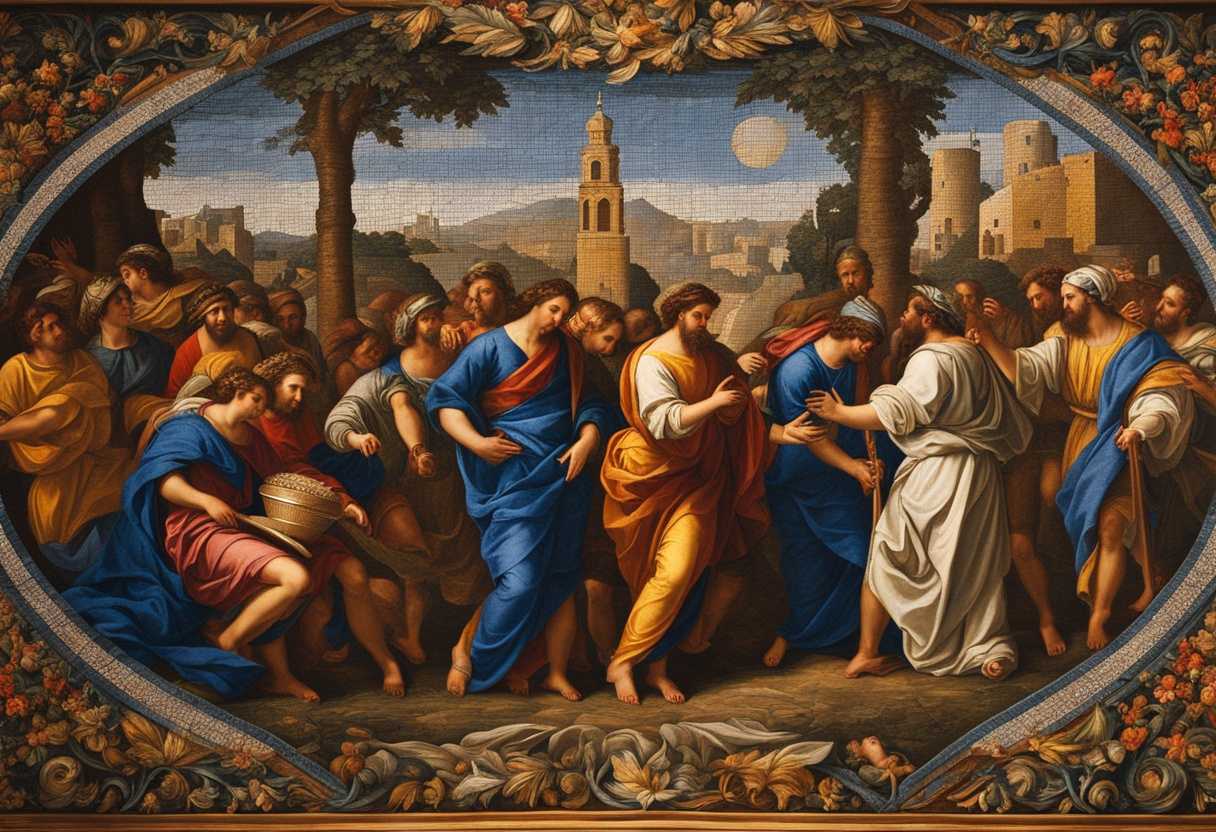
The Book of Psalms is a collection of sacred songs and prayers attributed to various authors, including King David, the renowned ruler of ancient Israel. Psalm 78 is a historical psalm, recounting the story of God’s relationship with the Israelite people, from their exodus from Egypt to their settlement in the Promised Land. The psalmist in this chapter reminds the people of the mighty acts of God and the lessons they should learn from their ancestors’ experiences. The passage foreshadows the Israelites’ rebellion and God’s discipline, as well as the eventual restoration of His people. This psalm serves as a powerful reminder of the importance of remembering God’s faithfulness and obeying His commands.
The psalmist draws upon references from the books of Exodus and Numbers, highlighting the Israelites’ journey through the wilderness and their encounters with God’s provision and judgment. This psalm encourages the reader to learn from the past, to trust in God’s guidance, and to remain faithful in the face of adversity.
Psalms 78:1-8
The Psalm in Psalms 78:1-8 begins by beckoning the audience to hear and heed the words that will be spoken, emphasizing the importance of passing down knowledge and teachings from generation to generation. This sets the tone for the Psalm, highlighting the significance of remembering the past and teaching future generations about the wonders and faithfulness of God.
The Psalmist then goes on to recount the lessons that their ancestors were supposed to share with their children, not to hide them away, but to declare the praises and mighty works of the Lord. This emphasizes the responsibility of each generation to pass on the teachings and stories of God’s faithfulness to the next.
The mention of Ephraim in verse 9 alludes to the Northern Kingdom of Israel, which was often used as a symbol of all Israel. The reference to Ephraim’s failure to keep God’s commandments, despite witnessing His miracles, underscores the theme of disobedience and forgetfulness that runs throughout Israel’s history. This serves as a cautionary tale, warning future generations not to repeat the mistakes of their ancestors.
The Psalmist recounts the wonders that God performed in the sight of the children of Israel, such as the parting of the Red Sea and the miraculous provision of manna in the wilderness. These events are foundational to Israelite history, demonstrating God’s power, protection, and provision for His people. The Psalmist reinforces the idea that God is faithful and powerful, even in the face of the Israelites’ disobedience by retelling these stories.
The mention of the tribe of Judah in verse 67 highlights God’s choice of David as king over Israel. David, from the tribe of Judah, was a man after God’s own heart, who led Israel with wisdom and sought to honor God in all he did. This reference serves as a contrast to the disobedience of Ephraim, illustrating the importance of faithfulness and obedience in God’s eyes. Psalms 78:1-8 underscores the importance of remembering and passing on the stories of God’s faithfulness throughout history. The Israelites were called to cultivate a deeper faith and trust in God by reflecting on the past and learning from the mistakes and triumphs of their ancestors. This message is timeless, urging believers in every generation to remember God’s faithfulness, obey His commandments, and pass on the legacy of faith to the next generation.
Psalms 78:9-16
The psalmist recounts the history of the Israelites as they journeyed through the wilderness in Psalms 78:9-16. Let’s break down this passage into important sections for further analysis.
Verse 9 starts with the mention of the children of Ephraim, armed and carrying bows, turning back on the day of battle. The Ephraimites were one of the twelve tribes of Israel and were known for their military prowess. However, despite their physical preparedness, they faltered when faced with the challenges of battle. This serves as a cautionary tale that physical strength alone is insufficient without faith and reliance on God’s guidance. This highlights the theme of the importance of trust and obedience in the face of adversity, a recurring lesson throughout the Bible.
Continuing in verse 10, the narrative shifts to the Israelites breaking the covenant with God, forgetting His works and the wonders He had shown them. This is a critical moment in the history of Israel, as it reflects a pattern of disobedience and forgetfulness that plagued the nation throughout their journey. This forgetfulness of God’s faithfulness led to a lack of gratitude and ultimately rebellion against Him. It serves as a reminder to us all to remember the goodness of God in our lives and to remain faithful even in difficult times. Deuteronomy 8:2 echoes this theme of remembering God’s faithfulness by saying, “Remember how the Lord your God led you all the way in the wilderness these forty years, to humble and test you in order to know what was in your heart, whether or not you would keep his commands.””
Verse 11 and 12 speak of the miracles and wonders God performed in the sight of their fathers in the land of Egypt, in the fields of Zoan. Zoan was a city in Egypt where the Israelites dwelled before the Exodus. The mention of Zoan recalls the setting of the Israelites’ enslavement and subsequent deliverance by God through the plagues inflicted upon Egypt. This serves as a pivotal moment in Israel’s history, showcasing God’s power and faithfulness in fulfilling His promises to His people. The importance of remembering God’s miraculous deeds is emphasized here, as they serve as a testimony to His greatness and serve to strengthen the faith of believers. This reflects a theme seen throughout the Bible, where God’s mighty acts are recounted to inspire faith and trust in Him. God leads the Israelites through the wilderness like a shepherd in verses 13-16, guiding them safely and providing for their needs. The psalmist recounts how God split the sea to let them pass through and led them with a cloud by day and a fire by night. These verses highlight God’s faithfulness and care for His people, even in the midst of their disobedience and lack of faith. God’s role as a shepherd reflects His compassion, protection, and guidance towards His people, echoing the famous Psalm 23 where God is portrayed as a shepherd who leads, protects, and provides for His flock. This imagery of God as a shepherd reinforces the idea of His intimate involvement in the lives of His people, guiding them through challenges and providing for their needs. These verses in Psalms 78 provide a powerful reflection on the history of the Israelites, highlighting their struggles with faith, obedience, and forgetfulness. Through their story, we are reminded of the importance of trust, gratitude, and remembrance of God’s faithfulness in our own lives. The recurring themes of obedience, trust, and God’s provision resonate throughout the Bible, serving as timeless lessons for believers to cling to in their own journey of faith.
Psalms 78:17-31
The passage in Psalms 78:17-31 recounts the events of the Israelites’ journey in the wilderness after they were delivered from Egypt. Let’s break down this passage into important sections for closer analysis.
Verse 17 begins by questioning the faithfulness of the Israelites, asking, “Yet they went on sinning against him, rebelling against the Most High in the desert.” This sets the tone for the subsequent verses that highlight the Israelites’ persistent disobedience and lack of faith in God despite His continuous provision and miracles. This section emphasizes the concept of faith and trust in God, illustrating the consequences of turning away from Him, even after experiencing His mighty works.
The following verses (18-20) describe how the Israelites continued to test and question God, demanding food that satisfied their cravings. This references the story of when the Israelites grumbled against Moses and Aaron in the desert, expressing their longing for the food they had in Egypt, forgetting the slavery they endured (Exodus 16:2-3). The passage reveals the Israelites’ ingratitude and lack of trust in God’s provision, despite His miraculous intervention in their lives.
Verse 21 speaks about God’s response to the Israelites’ demands for food and how He provided quail for them to eat. This mirrors the account in Exodus 16 where God sends quail and manna to the Israelites as a demonstration of His care and faithfulness, even in the midst of their murmuring and unbelief. This act of provision serves as a reminder of God’s ability to meet the needs of His people, reinforcing the lesson of reliance on Him. The passage progresses, describing how the Israelites continued to sin against God by doubting Him and testing His patience. Verses 32-33 convey God’s disappointment in His people, highlighting their lack of faith and recognition of His power and faithfulness. Despite the Israelites’ repeated transgressions, God remained merciful and compassionate towards them, not allowing His anger to destroy them completely. This passage from Psalms 78 serves as a cautionary tale about the dangers of disobedience, lack of faith, and ingratitude towards God. It underscores the importance of trust and reliance on God’s provision, even in the face of challenges and uncertainties. The story of the Israelites in the wilderness serves as a powerful example of God’s enduring patience and love for His people, despite their shortcomings. It reminds readers of the need to remain faithful, grateful, and obedient to God, trusting in His unfailing goodness and mercy.
Psalms 78:32-39
The recounting of the events in the wilderness when the Israelites had turned away from God despite witnessing His miracles is seen in Psalms 78:32-39. The Israelites had sinned even after God had shown them great signs in Egypt and during their journey through the wilderness. Let’s break down this passage further to explore its deep meaning and relevance. “They still sinned in spite of all this; they did not believe despite his wonders.”” This verse highlights the continuous rebellion of the Israelites despite the numerous miracles God performed among them. The Israelites witnessed the plagues in Egypt, the parting of the Red Sea, and the provision of manna and quail in the wilderness. Despite all these manifestations of God’s power and grace, the Israelites lacked faith and continued to rebel against Him. This serves as a cautionary tale for us today, reminding us to have faith in God’s power and provision, even in the face of challenges.
Moving on to verse 33, it reads, “So he ended their days in futility and their years in terror.” This verse reveals the consequences of their disobedience. Because of their lack of faith and continuous sinning, the Israelites suffered various hardships, including wandering aimlessly in the wilderness and living in fear. This serves as a reminder that disobedience and lack of faith can lead to a life of unfulfillment and fear, far from the abundant life that comes from walking in obedience to God.
Verse 34 mentions how every time God struck them down, they would seek Him. They would repent and earnestly seek God when they were in trouble, but their commitment was often short-lived. This cycle of sin, punishment, repentance, and forgiveness was repeated multiple times throughout Israel’s history. It shows the mercy and patience of God, who was always ready to forgive them when they turned back to Him. This teaches us about God’s grace and forgiveness, even when we repeatedly fail Him. The verses 35-39 describe how the Israelites would flatter God with their mouths and lie to Him with their tongues, but their hearts were not loyal to Him. This hypocritical behavior of the Israelites reflects a deeper issue of insincerity and a lack of true devotion to God. Their actions were merely lip service, and their hearts were far from God. This serves as a warning for us to examine our own hearts and ensure that our worship and obedience to God are genuine and from a place of true reverence and love for Him. Psalms 78:32-39 serves as a powerful reminder of the consequences of disobedience and lack of faith, as seen through the example of the Israelites in the wilderness. It highlights the importance of genuine faith, wholehearted devotion, and the dangers of hypocrisy. Through this passage, we are encouraged to trust in God’s power, seek Him earnestly, and cultivate a heart that is truly loyal to Him.
Psalms 78:40-55
Identify several key sections in Psalm 78:40-55 for deeper exploration to truly appreciate the message being conveyed. Let’s break it down step by step:
-
Verse 40-41: “How often they rebelled against him in the wilderness and grieved him in the wasteland! Again and again they put God to the test; they vexed the Holy One of Israel. The psalmist discusses the rebellious nature of the Israelites during their time in the wilderness in these verses. Despite witnessing numerous miracles and experiencing divine provision, they repeatedly tested God’s patience with their disobedience and lack of faith. This behavior grieved God and strained their relationship with Him. This section serves as a reminder of the consequences of rebellion and the importance of faithfulness and obedience in our relationship with God. It also provides a historical context regarding the challenges faced by the Israelites during their journey to the Promised Land.
-
Verse 42-51: This section recounts various incidents that occurred during the Israelites’ time in the wilderness, including God’s judgment upon them for their sins and His mercy towards them despite their shortcomings. The psalmist highlights how God was both a source of punishment and a provider of grace, demonstrating His faithfulness even when His people were unfaithful. These verses serve as a reflection on the cyclical nature of the Israelites’ relationship with God, characterized by rebellion, repentance, and restoration.
-
Verse 52-55: “But he brought his people out like a flock; he led them like sheep through the wilderness. He guided them safely, so they were unafraid; but the sea engulfed their enemies. And so he brought them to the border of his holy land, to the hill country his right hand had taken. The psalmist emphasizes God’s faithfulness in leading His people out of Egypt and guiding them through the wilderness to the promised land in the final verses of this passage. Despite the challenges and obstacles they faced, God protected them and ensured their safe passage. The mention of the sea engulfing their enemies alludes to the crossing of the Red Sea, a pivotal event in Israelite history where God displayed His power and delivered His people from the pursuing Egyptians. This section underscores God’s role as a shepherd and protector of His flock, guiding them towards their ultimate destination. We are reminded of the Israelites’ turbulent journey through the wilderness, marked by disobedience, divine judgment, and God’s unwavering faithfulness as we analyze these verses within the context of Psalm 78. This passage serves as a cautionary tale about the consequences of rebellion and the importance of faith and obedience in our relationship with God. It also showcases God’s enduring love and mercy towards His people, despite their repeated failings. Psalm 78 as a whole serves as a valuable lesson in remembering God’s faithfulness throughout history and remaining steadfast in our commitment to Him, knowing that He is a God who guides, protects, and redeems His people.
Psalms 78:56-66
A few important sections in Psalms 78:56-66 are crucial to understand within the broader context of the Psalm. Let’s break it down:
- “But they tested and rebelled against God Most High and did not keep his testimonies.”
This verse highlights the disobedience and rebellion of the Israelites against God despite His faithfulness and the numerous miracles He performed to deliver them. The Israelites constantly tested God’s patience and broke His commandments, which ultimately led to their suffering and downfall. This narrative is a recurring theme throughout the Old Testament as the Israelites continuously turned away from God, leading to various consequences. It serves as a warning to us today about the dangers of straying from God’s path and the importance of obedience.
- “They turned back and acted treacherously like their fathers; they twisted like a deceitful bow.”
This portion speaks to the cyclical nature of the Israelites’ behavior. Despite witnessing God’s faithfulness and power in delivering them from Egypt, they still fell back into sin and followed the sinful ways of their ancestors. The imagery of a deceitful bow illustrates how their actions were not straightforward or faithful but rather twisted and dishonest. This verse reminds us of the importance of learning from the mistakes of the past and breaking the cycle of sin through genuine repentance and obedience to God.
- “For they provoked him to anger with their high places; they moved him to jealousy with their idols.”
Here, the Psalmist describes how the Israelites provoked God with their idolatry and worship of false gods at the high places. The Hebrews often strayed from worshipping the one true God and instead turned to idols and pagan practices, breaking the first commandment given to Moses on Mount Sinai. This act of idolatry not only angered God but also led to His judgment upon the Israelites. The consequences of idol worship are a prevalent theme throughout the Bible, serving as a cautionary tale about the dangers of placing anything above God in our lives. The Israelites’ downfall ultimately resulted from a pattern of disobedience, rebellion, and idolatry that we see in reflecting on these verses. Their story serves as a lesson for us today, reminding us of the importance of obedience, faithfulness, and loyalty to God. We too must be mindful of our actions and ensure that we are walking in alignment with God’s will, just as the Israelites faced consequences for their sins. Through repentance, faith, and a commitment to following God’s commandments, we can avoid the pitfalls the Israelites faced and experience the blessings and favor of God in our lives.
Psalms 78:67-72
God rejected the tents of Joseph, did not choose the tribe of Ephraim, but chose the tribe of Judah, Mount Zion which He loved. And He built His sanctuary like the heights, like the earth, which He has established forever. He also chose David His servant and took him from the sheepfolds; From the care of the ewes with suckling lambs He brought him to shepherd Jacob His people, and Israel His inheritance. So he shepherded them according to the integrity of his heart, and guided them with his skillful hands.”
This passage is a reflection on God’s sovereign choice and His faithfulness to His promises. It starts by highlighting God’s rejection of the tents of Joseph and the tribe of Ephraim, instead choosing the tribe of Judah and Mount Zion for His sanctuary. This decision was significant because it reflects God’s divine plan and purpose, showing that His choices are not bound by human understanding but are part of His greater design.
The selection of Judah over Ephraim and the emphasis on Mount Zion as the place for His sanctuary points towards the lineage of Jesus Christ. From the tribe of Judah would come the great King David, and eventually, the ultimate Savior, Jesus, who would be born in Bethlehem, a city in the region of Judah. This theme of God’s chosen lineage running through the tribe of Judah is crucial in the Bible, as it connects to the promise God made to David in 2 Samuel 7:16 that his house and kingdom would endure forever.
The mention of David as God’s chosen servant is significant. David, a shepherd boy turned king, was known for his faithfulness to God and his leadership over Israel. Despite his shortcomings, David’s heart for God and his skillful hands as a shepherd metaphorically represent God’s guidance and care for His people. This not only highlights the importance of leadership in God’s kingdom but also serves as a foreshadowing of Jesus, who is often referred to as the Good Shepherd in the New Testament (John 10:11).
God’s faithfulness in choosing David, a humble shepherd, to lead His people reminds us that God often works through the weak and the unexpected to accomplish His divine purposes. It emphasizes the qualities of integrity and skill in leadership, qualities that should be sought after by those in positions of authority. This passage serves as a reminder that God’s ways are higher than ours, and His plans are always carried out with purpose and precision, even if they may seem unconventional to us at first.
After Psalms 78
The people had turned away from God, forgetting all He had done for them. Yet, the Lord remained faithful, ever ready to welcome them back. The chapter draws to a close, leaving us with a glimmer of hope – a promise that if the people would only return to the Lord, He would once more guide and protect them.
This leads us to the next chapter, where we will see how the people responded to God’s outstretched hand. Would they heed the call and find their way back to the path of righteousness? Or would they continue to wander, stubbornly refusing the Lord’s invitation? The answers await us in the pages that follow, calling us to reflect on our own relationship with the Almighty.

Reverend Michael Johnson is an experienced Church Minister with a profound expertise in spirituality and guidance. With a serene presence and a compassionate heart, he has faithfully served his congregation for over 20 years, leading them on a spiritual journey towards inner peace and enlightenment. Reverend Johnson’s extensive knowledge of religious philosophies and profound understanding of human nature have made him a trusted confidant and mentor to many, as he seamlessly weaves his profound wisdom into life teachings. Reverend Johnson’s calming demeanor and empathetic nature continue to uplift and heal souls, nurturing a sense of unity and tranquility within his community.