
Ezra 3:1-3 is about the Israelites returning to Jerusalem after exile to rebuild the altar of the Lord, a symbol of their commitment to reconnect with their faith and heritage.
3 When the seventh month came, and the children of Israel were in the towns, the people gathered as one man to Jerusalem.
2 Then Jeshua the son of Jozadak and his fellow priests arose and built the altar of the God of Israel, to offer burnt offerings on it, as it is written in the Law of Moses the man of God.
3 They set the altar in its place, for fear was on them because of the peoples of the lands, and they offered burnt offerings on it to the Lord, burnt offerings morning and evening.
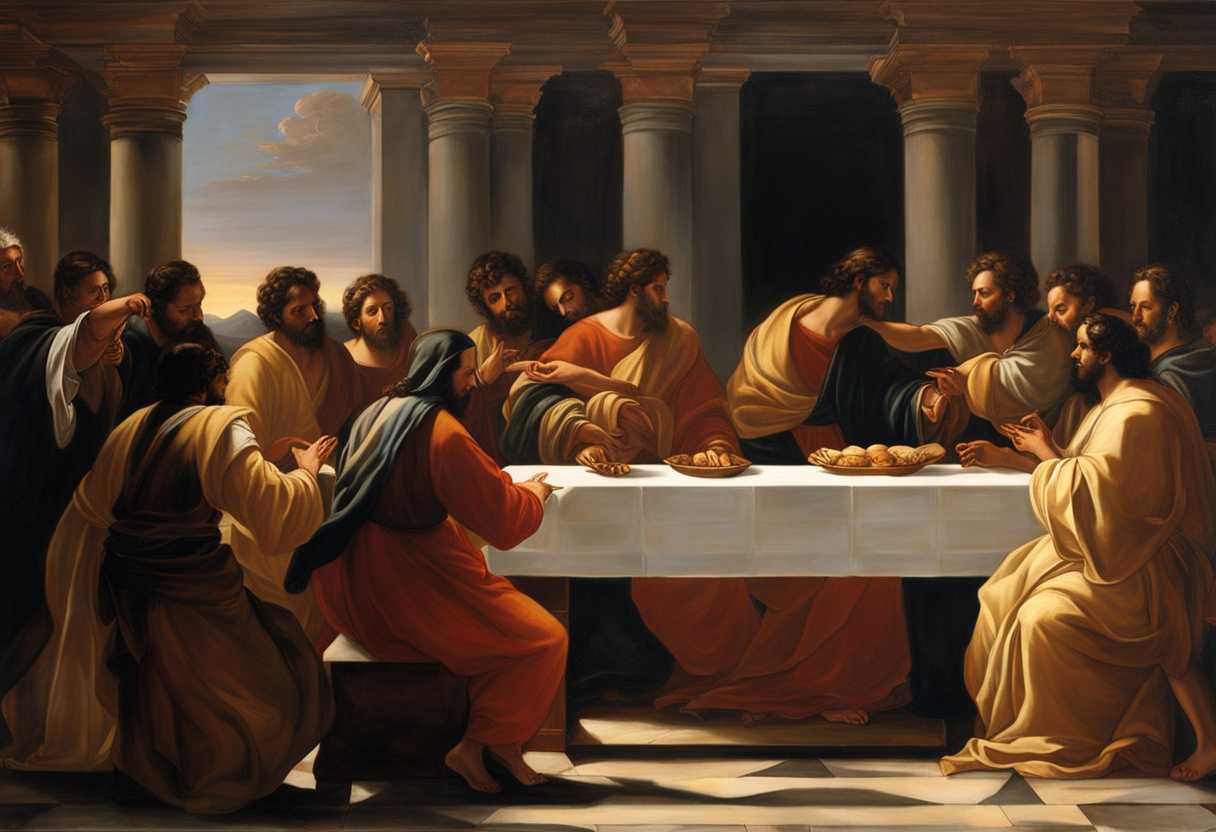
Setting the Scene for Ezra 3:1-3
In Ezra chapter 3, we find the scene set in Jerusalem, specifically at the site where the temple of the Lord had been destroyed by the Babylonians. The chapter begins with the Israelites who had returned from exile in Babylon, led by Zerubbabel and Jeshua, gathering together in Jerusalem. The people were determined to rebuild the temple and restore the worship of the Lord in their homeland.
As the scene unfolds, we see the priests, Levites, and other Israelites coming together with a sense of unity and purpose. They gather the necessary materials and resources to begin the work of rebuilding the altar of the God of Israel. Despite the challenges and opposition they faced, the people were resolute in their commitment to follow the commands of the Lord and restore the temple to its former glory.
The surroundings are likely a mix of rubble from the destroyed temple, as well as signs of new beginnings with the gathering of the people and the preparations being made for the reconstruction. The atmosphere is one of determination, faith, and hope as the Israelites embark on this significant journey of rebuilding their sacred place of worship.
What is Ezra 3:1-3 about?
The act of rebuilding the altar and laying the foundation for the temple in Jerusalem symbolizes renewal, restoration, and spiritual revival in this verse. It represents a fresh start, a return to faith, and a reaffirmation of one’s commitment to worship and serve God. The rebuilding process signifies the importance of honoring and prioritizing our relationship with the divine, despite any obstacles or setbacks we may face.
Imagine the dedication and resilience required to rebuild something as significant as the altar and temple foundation. It requires faith, perseverance, and a deep sense of devotion. Just like in our own lives, there may be times when we need to recommit ourselves to our beliefs, rebuild what has been broken, and lay a strong foundation for our faith to flourish. This verse encourages us to reflect on our spiritual journey, consider what may need rebuilding or strengthening in our lives, and take deliberate steps towards nurturing our connection with the divine. Let us contemplate the significance of rebuilding the altar and temple foundation in Jerusalem and examine our own spiritual structures to fortify and rejuvenate our faith. We too should approach our spiritual practices with zeal, determination, and a steadfast belief in the power of restoration and revival, just as the physical act of rebuilding symbolizes a fresh start and a renewed commitment to God.
Understanding what Ezra 3:1-3 really means
The Book of Ezra provides a glimpse into the period of the return of the Jewish exiles from Babylonian captivity, with Ezra leading the restoration of Jerusalem and the Temple. In Ezra 3:1-3, we witness the rebuilding of the altar and the resumption of sacrifices, crucial elements of Jewish worship and identity. The mention of the seventh month signifies a time of gathering and unity among the Israelites, coinciding with significant festivals in the Jewish calendar. This unity is further emphasized as the people assemble together in Jerusalem, showcasing their collective purpose despite individual struggles.
Building the altar of the God of Israel for sacrifices symbolizes a return to worship and obedience, highlighting the importance of seeking God’s favor and atoning for sins. The mention of the people’s fear of surrounding nations underscores their courage and faith in the face of external threats and opposition. This narrative resonates with themes of unity and courage found in related passages like Nehemiah 8:1-3, where the people gather to hear the Law, and Haggai 1:14, which speaks of divine encouragement for rebuilding efforts.
The relevance of Ezra 3:1-3 extends to modern times, emphasizing the power of unity in achieving common goals, the importance of courage in upholding faith amidst adversity, and the significance of restoration and renewal in spiritual and personal aspects. Just as the Israelites united to rebuild the altar, contemporary communities can find strength in collective endeavors. The story of a struggling church community finding inspiration in Ezra’s narrative serves as a poignant illustration of how unity, faith, and determination can lead to revitalization and growth.
In conclusion, Ezra 3:1-3 serves as a poignant reminder of the timeless values of unity, faith, and courage. It prompts us to come together with shared purpose, prioritize our relationship with God, and face challenges with unwavering determination and trust in divine support. As we reflect on the narrative of the Israelites rebuilding the altar, may we draw inspiration to cultivate unity, courage, and renewal in our own lives and communities.
How can we prioritize rebuilding God’s temple today?
Today, we can prioritize rebuilding God’s temple by dedicating time and resources to nurturing our spiritual lives and cultivating a sacred space for worship. We can contribute our resources, talents, and energy to support our places of worship and spiritual communities, just as the Israelites in Ezra’s time gathered materials and made offerings to reestablish the temple. We invest in the presence of God in our lives and the lives of others by participating in the maintenance and growth of these sacred spaces. Fostering unity and collaboration within our faith communities involves prioritizing the rebuilding of God’s temple today. People came together to work towards a common goal in Ezra, rebuilding the temple as a collective effort. We can prioritize the rebuilding of God’s temple by promoting harmony, mutual support, and cooperation among believers. We can create a strong foundation for the presence of God to dwell in our midst by nurturing relationships and fostering a sense of unity.
Furthermore, we can prioritize rebuilding God’s temple today by keeping our focus on spiritual renewal and revival. We can strive for personal and communal revival by seeking spiritual growth, repentance, and a deeper connection with God, just as the reestablishment of the temple marked a new beginning for the Israelites. We create a fertile ground for God’s presence to dwell among us and guide us in our journey of faith by prioritizing the restoration of our spiritual lives and the reviving of our faith communities.
Application
In the hustle and bustle of our modern lives, it’s crucial to prioritize our relationship with God just like we prioritize our work and family. Let’s gather like the Israelites did, rebuilding our spiritual altars through prayer, praise, and community. Join your fellow believers in worship today. Will you heed the call?

Reverend Michael Johnson is an experienced Church Minister with a profound expertise in spirituality and guidance. With a serene presence and a compassionate heart, he has faithfully served his congregation for over 20 years, leading them on a spiritual journey towards inner peace and enlightenment. Reverend Johnson’s extensive knowledge of religious philosophies and profound understanding of human nature have made him a trusted confidant and mentor to many, as he seamlessly weaves his profound wisdom into life teachings. Reverend Johnson’s calming demeanor and empathetic nature continue to uplift and heal souls, nurturing a sense of unity and tranquility within his community.