
Judges 2:13 is about the Israelites forsaking the Lord to worship Baal and Ashtaroth, leading to their disobedience and downfall.
13 They abandoned the Lord and served the Baals and the Ashtaroth.
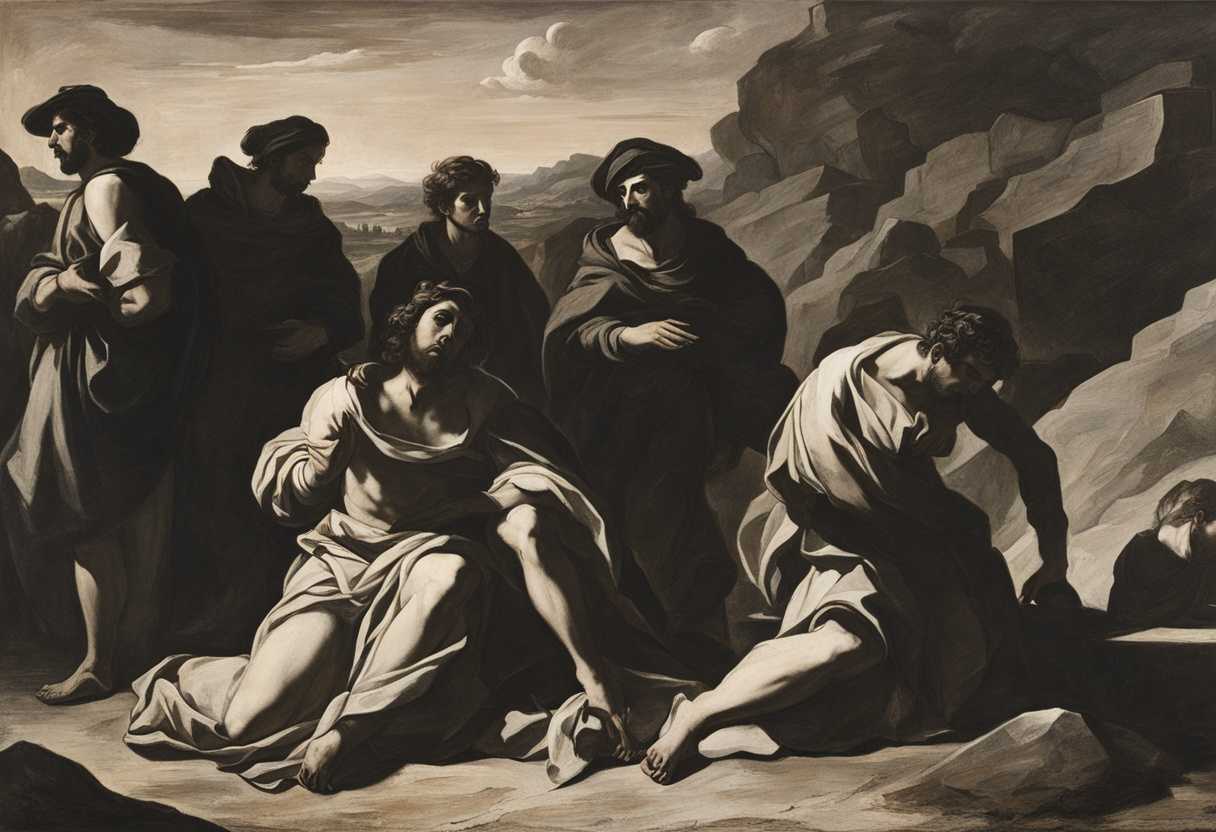
Setting the Scene for Judges 2:13
In the scene described in Judges 2:13, the Israelites have turned away from God and started worshiping the Baals and Ashtoreths, the gods of the surrounding nations. This disobedience and idolatry have angered God, and as a result, He allowed their enemies to oppress them. The Israelites find themselves in a state of turmoil and distress due to their unfaithfulness.
The leaders of the Israelites, including Joshua and the elders who outlived him, are present in this scene. They had witnessed the faithfulness of God during the conquest of Canaan but are now faced with the consequences of the nation’s disobedience. The surroundings are likely a camp or gathering place where the leaders have come together to discuss the current state of affairs and seek a way to return to God’s favor.
The atmosphere is heavy with the weight of their sins and the consequences they are facing. The leaders are grappling with the reality of their situation and the need to repent and turn back to God. It is a pivotal moment in Israel’s history, where they must decide whether to continue down the path of idolatry and oppression or to humble themselves before God and seek His forgiveness and deliverance.
What is Judges 2:13 about?
This verse highlights a common theme throughout the Old Testament – the Israelites turning away from God to worship idols. It serves as a poignant reminder of the constant struggle between following God’s commandments and giving in to worldly temptations. The Israelites’ actions demonstrate the consequences of straying from their faith and the importance of staying true to their beliefs. We, as teachers and scholars, can use this verse to prompt reflection on our own lives. What idols do we worship in place of God? What distractions pull us away from our faith? We can learn from the Israelites’ mistakes and strive to strengthen our faith and devotion to God by examining our own tendencies to prioritize material possessions, relationships, or personal desires over our spiritual connection to Him. Let us use this verse to refocus our priorities and recommit ourselves to following God wholeheartedly.
Understanding what Judges 2:13 really means
The Book of Judges provides a glimpse into a tumultuous period in Israel’s history, marked by a lack of centralized leadership and a recurring pattern of disobedience. In Judges 2:13, we witness a poignant portrayal of the Israelites’ downward spiral into idolatry, a sin that plagued them throughout their history. The phrase “forsook the Lord” encapsulates the deliberate choice of the Israelites to abandon their covenant with God, symbolizing a turning away from His guidance and protection. By serving Baal and the Ashtaroth, the Israelites embraced pagan practices that stood in stark contrast to the commandments of the one true God.
This passage resonates with timeless truths about the human tendency towards idolatry. While we may not bow down to ancient deities like Baal, our modern idols can be just as insidious. Whether it be the pursuit of material wealth, societal approval, or personal ambitions, anything that takes precedence over our relationship with God can become an idol in our lives. Like the Israelites, we are called to examine our hearts and identify where we may have forsaken the Lord in favor of fleeting desires.
Drawing parallels to contemporary struggles, imagine a scenario where someone becomes so engrossed in their career that they neglect their loved ones and spiritual well-being. Despite outward success, they feel a profound emptiness and disconnection, mirroring the consequences of turning away from God. This narrative serves as a cautionary tale, reminding us of the ultimate futility of chasing after idols that can never satisfy the deepest longings of our souls.
As we ponder the implications of Judges 2:13 for our lives today, introspection becomes crucial. Are there areas in our lives where we have allowed idols to take precedence over our devotion to God? Have we, like the Israelites, forsaken the Lord in pursuit of fleeting pleasures or worldly ambitions? This self-examination invites us to realign our priorities and recommit ourselves to a life of faithfulness and obedience to God’s will.
In the midst of our modern-day struggles with idolatry, the timeless message of Judges 2:13 beckons us to return to the steadfast love and grace of our Creator. Just as the Israelites were called to repent and seek reconciliation with God, so too are we encouraged to reevaluate our allegiances and reaffirm our commitment to walking in His ways. Through reflection and recommitment, we can heed the lessons of the past and embark on a journey of spiritual renewal and restoration.
What idols are we allowing in our lives?
The verse highlights how the Israelites turned away from God to worship other gods, which can be seen as a form of idolatry. Idols can take various forms in our lives today, such as material possessions, money, relationships, success, or even personal desires and ambitions. When we prioritize these things above our relationship with God, they become idols that we worship and serve. This can lead us away from God’s will and hinder our spiritual growth.
It is important for us to reflect on the idols in our lives and make a conscious effort to put God first. We can avoid falling into the trap of idolatry by seeking God’s guidance and surrendering our desires to Him. Remembering that God deserves our total devotion and worship helps us realign our priorities and live in a way that pleases Him. We should constantly evaluate our hearts and ensure that nothing takes precedence over our love and reverence for God.
Application
In a world filled with distractions and temptations, let us hold onto our faith like a compass guiding us through the stormy seas of life. Today, the choice rests in our hands – to stand firm in our beliefs, to navigate through challenges with grace, and to let God’s light illuminate our path. So, I urge you, dear one, will you take this calling and walk in God’s light with unwavering resolve?

Reverend Michael Johnson is an experienced Church Minister with a profound expertise in spirituality and guidance. With a serene presence and a compassionate heart, he has faithfully served his congregation for over 20 years, leading them on a spiritual journey towards inner peace and enlightenment. Reverend Johnson’s extensive knowledge of religious philosophies and profound understanding of human nature have made him a trusted confidant and mentor to many, as he seamlessly weaves his profound wisdom into life teachings. Reverend Johnson’s calming demeanor and empathetic nature continue to uplift and heal souls, nurturing a sense of unity and tranquility within his community.