
In Psalms 82:1-2, it is about recognizing God’s divine authority and justice over all earthly rulers and judges, highlighting the duty of those in positions of power to execute justice and show impartiality in their judgments.
1 God has taken his place in the divine council; in the midst of the gods he holds judgment:
2 “How long will you judge unjustly
and show partiality to the wicked? Selah”
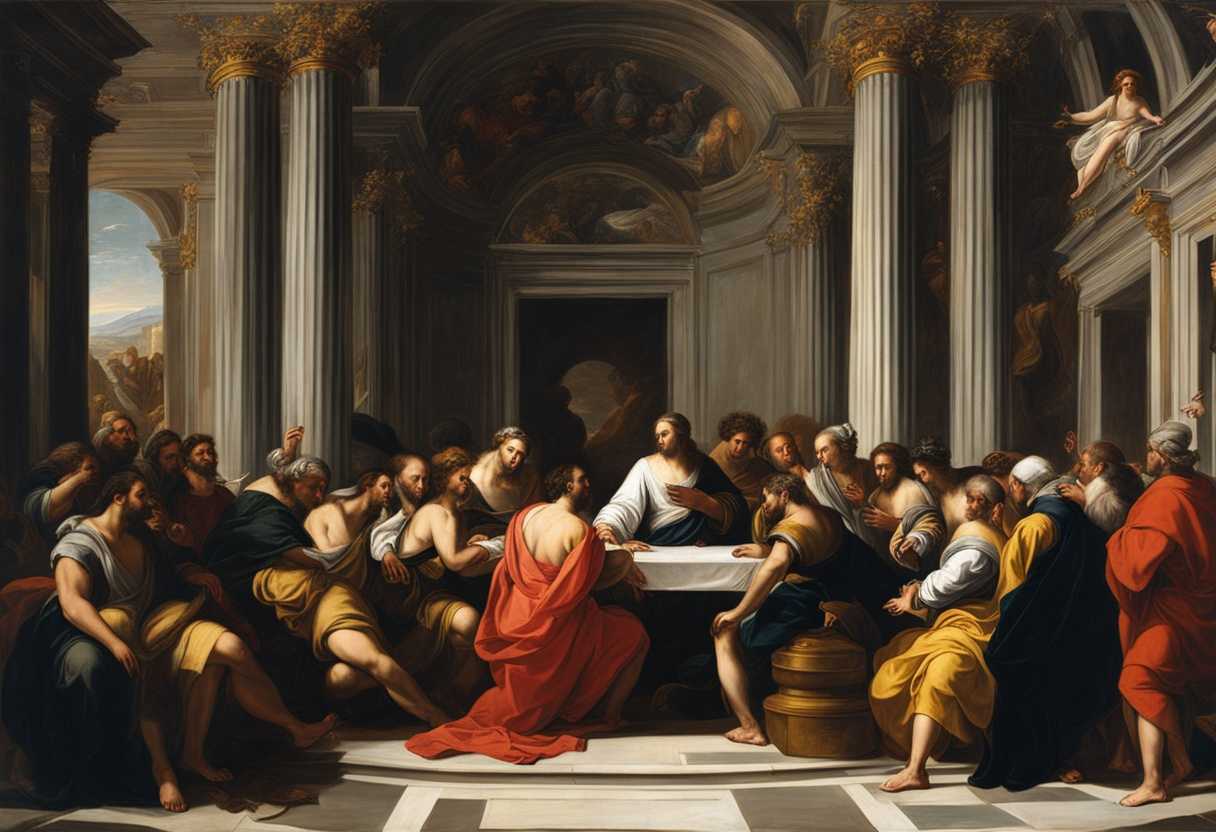
Setting the Scene for Psalms 82:1-2
The scene in Psalms 82:1-2 takes place in the divine council, a heavenly courtroom where God presides over a gathering of celestial beings. In this setting, God is surrounded by other divine beings, often referred to as “gods” or “sons of God” in the Bible. These beings are not equal to God but are part of His heavenly court, carrying out His will and receiving His judgments.
Among those present in the divine council are angels, archangels, and other heavenly beings who serve God in various capacities. They have gathered before God to receive His decrees, praise His name, and carry out His commands. The atmosphere is one of reverence and awe, as the celestial beings stand in the presence of the Almighty God, ready to do His bidding.
The surroundings in the divine council are majestic and awe-inspiring, with the glory of God shining brightly and illuminating the heavenly realm. The beings in attendance are filled with reverence and humility, acknowledging God’s supreme authority and power. As the divine council convenes, God speaks to the assembly, reminding them of their duty to uphold justice and righteousness in the world, as stated in Psalms 82:1-2.
What is Psalms 82:1-2 about?
God, as the Divine Judge, presides over a council of divine beings in this verse, giving us a glimpse of the heavenly realm. This scene conveys the idea that God is the ultimate authority, even among other seemingly powerful beings. The term “gods” here likely refers to heavenly beings, angels, or spiritual entities, who are considered subordinate to the one true and almighty God. The image presented here is one of God’s sovereignty and ultimate power, as He is the one who renders judgment and provides guidance to these divine beings.
This verse prompts us to think about the hierarchy of power and authority in the spiritual realm. It raises questions about the relationship between God and other divine beings, highlighting God’s supremacy and role as the ultimate judge. It invites us to reflect on the concept of divine counsel, where decisions are made and justice is served under the guidance of the all-knowing and righteous God. This verse ultimately serves as a reminder of God’s omnipotence and wisdom, reminding us of His role as the ultimate authority and source of divine justice in the universe.
Understanding what Psalms 82:1-2 really means
Psalms 82:1-2 is a powerful passage that speaks to the justice and authority of God, setting the stage for understanding God’s role as the ultimate judge and the responsibilities of those in positions of power. In the context of Psalms 82, a psalm of Asaph, it addresses the divine council and the judgment of unjust rulers, serving as a call for justice and a reminder of God’s sovereignty over all earthly authorities. The phrase “God presides in the great assembly” emphasizes God’s supreme authority and His role as the ultimate judge over all other judges and rulers, actively involved in the governance of the world.
“He renders judgment among the ‘gods’” highlights that even earthly rulers or judges, referred to as “gods,” are ultimately accountable to God. The direct challenge posed in the passage, “How long will you defend the unjust and show partiality to the wicked?” questions the integrity and justice of those in power, calling out the failure to uphold righteousness and protect the vulnerable. This sentiment is echoed in related biblical passages like Micah 6:8, emphasizing the core requirements of justice, mercy, and humility, and Isaiah 1:17, which reinforces the call to defend the vulnerable and act justly.
In today’s world, the issues of justice and integrity in leadership remain as pertinent as ever. The call to hold leaders accountable and ensure they act justly resonates with contemporary concerns about corruption, inequality, and the abuse of power. Consider a community leader who, despite facing pressure to conform to corrupt practices, chooses to stand firm in their commitment to justice and fairness. Their actions inspire others and bring about positive change, reflecting the principles outlined in Psalms 82:1-2. Psalms 82:1-2 serves as a timeless reminder of God’s ultimate authority and the importance of justice, challenging us to hold our leaders accountable and strive for righteousness in our own lives.
By understanding and applying these principles, we can contribute to a more just and equitable society. The passage prompts us to reflect on our roles in upholding justice and righteousness, both in our personal lives and in our interactions with those in positions of power. Let us heed the call to act justly, love mercy, and walk humbly with our God, embodying the values that honor God’s sovereignty and promote justice in our communities.
Are we upholding justice and righteousness in our lives?
The verse emphasizes the importance of upholding justice and righteousness in our lives. This means ensuring fair treatment of all individuals, maintaining moral integrity, and striving to do what is right in the eyes of God. Justice involves treating others impartially and with dignity, while righteousness involves living a life in accordance with God’s commands and principles. We follow the example set by God and fulfill our duty as His followers by upholding justice and righteousness in our lives. It is through our actions and decisions that we demonstrate our commitment to these values and contribute to creating a more just and righteous society. Therefore, it is essential for individuals to constantly evaluate their behavior and choices to ensure that they are aligned with the principles of justice and righteousness as outlined in the verse.
Application
Listen closely to the call for justice in Psalms 82:1-2. Stand tall for the marginalized, champion the oppressed, and uphold righteousness in all that you do. Do not ignore the cries of injustice; be a beacon of hope for those who are unheard. Will you rise to the occasion and make a difference by seeking justice and mercy in our world today?

Reverend Michael Johnson is an experienced Church Minister with a profound expertise in spirituality and guidance. With a serene presence and a compassionate heart, he has faithfully served his congregation for over 20 years, leading them on a spiritual journey towards inner peace and enlightenment. Reverend Johnson’s extensive knowledge of religious philosophies and profound understanding of human nature have made him a trusted confidant and mentor to many, as he seamlessly weaves his profound wisdom into life teachings. Reverend Johnson’s calming demeanor and empathetic nature continue to uplift and heal souls, nurturing a sense of unity and tranquility within his community.