
Numbers 12:1 is about the consequences of jealousy and pride within a family, highlighting the importance of humility and obedience in the eyes of God.
1 Miriam and Aaron spoke against Moses because of the Cushite woman whom he had married, for he had married a Cushite woman.
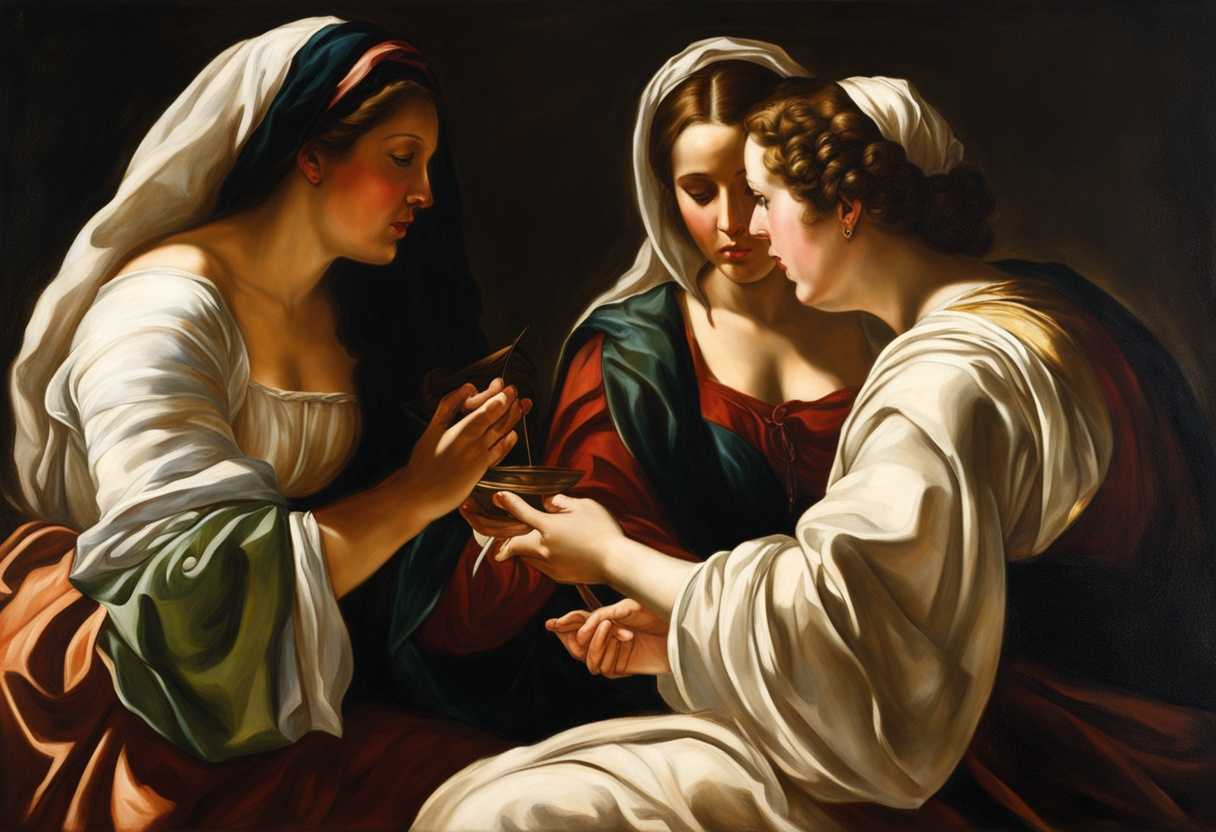
Setting the Scene for Numbers 12:1
In Numbers chapter 12, we find Moses, Aaron, and Miriam in the scene. The setting is the wilderness of Paran, where the Israelites have been wandering after their exodus from Egypt. The camp is bustling with activity as the people go about their daily tasks, setting up tents, tending to livestock, and gathering water and firewood.
Moses, Aaron, and Miriam are siblings, with Moses being the leader chosen by God to guide the Israelites out of Egypt. Aaron serves as the high priest, and Miriam is a prophetess. However, tensions arise when Miriam and Aaron begin to question Moses’ leadership, particularly his marriage to a Cushite woman. Their jealousy and resentment towards Moses lead to a confrontation that ultimately results in Miriam being struck with leprosy as a punishment from God.
The scene is tense as Moses intercedes on Miriam’s behalf, pleading with God to heal her. The incident serves as a reminder of the importance of humility and obedience in the face of God’s chosen leaders, as well as the consequences of speaking out against them.
What is Numbers 12:1 about?
Miriam and Aaron, Moses’ siblings, express disapproval of Moses marrying a Cushite woman in this verse. It’s important to understand the context of this criticism. During this time, interracial marriages were uncommon, and some people held prejudices against individuals from different ethnic backgrounds. Miriam and Aaron’s comments reflect their biases and lack of acceptance towards Moses’ choice of partner.
God’s response to Miriam and Aaron’s criticism showcases His stance against discrimination and prejudice. God rebukes their prejudiced remarks and emphasizes the importance of accepting and respecting others, regardless of their background, by defending Moses. This verse serves as a powerful reminder to treat everyone with love and compassion, regardless of their race, ethnicity, or cultural differences.
Reflecting on this verse, we’re encouraged to examine our own biases and prejudices. Do we hold judgments against others based on their race, nationality, or cultural background? Are we open-minded and accepting of individuals who are different from us? We’re reminded to stand against all forms of prejudice and embrace diversity with understanding and compassion, just as God defended Moses against discrimination.
Understanding what Numbers 12:1 really means
Numbers 12:1 presents a poignant moment in the Old Testament where Miriam and Aaron, siblings of Moses, voice their discontent with his marriage to a Cushite woman. This incident unfolds amidst the Israelites’ arduous journey through the wilderness post their exodus from Egypt. To grasp the full significance of this verse, it is essential to delve into the cultural and historical backdrop of the Israelites and their nomadic expedition.
In Exodus 2:21, we learn of Moses’ marriage to Zipporah, a Midianite woman, shedding light on potential familial tensions that could have fueled Miriam and Aaron’s disapproval. Micah 6:4 underscores the pivotal roles of Moses, Aaron, and Miriam in guiding the Israelites, underscoring their significance in the community. Drawing a parallel, in Matthew 7:1-5, Jesus’ teachings caution against judgment, mirroring the themes of criticism and condemnation evident in Numbers 12:1.
The enduring relevance of this verse resonates in contemporary society, touching on issues of judgment, prejudice, and familial discord. It serves as a poignant reminder of the complexities of family dynamics and the challenges leaders face, including criticism from those closest to them. Consider a scenario in a modern workplace where personal biases overshadow professional assessments, leading to discord akin to Miriam and Aaron’s critique of Moses.
The phrase “Miriam and Aaron spoke against Moses” encapsulates a direct challenge to Moses’ authority, reflecting internal strife within the familial hierarchy. Their grievance “because of the Cushite woman” hints at underlying prejudices or biases that colored their perception of Moses’ choices. By emphasizing “He had married,” the verse underscores the intrusion into Moses’ personal life, diverting attention from his leadership prowess to his private affairs.
In practical terms, Numbers 12:1 prompts introspection on personal biases and judgments, urging individuals to support leaders constructively rather than resorting to gossip or unwarranted criticism. It advocates for unity and harmony within families and communities, especially during turbulent times, emphasizing the significance of fostering a supportive environment for growth and progress.
How do we handle conflicts with spiritual leaders?
When conflicts arise with spiritual leaders, it can be challenging to navigate the situation with grace and clarity. All individuals, including spiritual leaders, are prone to shortcomings and mistakes, so it is important to remember that in such moments. Disagreements with spiritual leaders may be inevitable, just as Miriam and Aaron challenged Moses in Numbers 12:1. However, it is crucial to approach such situations with respect and humility, seeking understanding and resolution rather than causing division or discord within the community. Maintaining open communication and expressing concerns in a constructive and respectful manner is beneficial in handling conflicts with spiritual leaders. It is also essential to seek guidance from scriptures and prayer to discern the best course of action. A conflict with a spiritual leader does not diminish the value or importance of their role, but rather offers an opportunity for growth and learning for both parties involved. A balance of wisdom, humility, and a willingness to listen, learn, and seek reconciliation in a spirit of unity and love ultimately navigates conflicts with spiritual leaders.
Application
Embrace the wisdom of humility and kindness in our modern, busy world. Let’s nurture patience and empathy in our relationships, just as God does for us. Can you commit to spreading love and acceptance to all, no matter who they are or where they come from?

Reverend Michael Johnson is an experienced Church Minister with a profound expertise in spirituality and guidance. With a serene presence and a compassionate heart, he has faithfully served his congregation for over 20 years, leading them on a spiritual journey towards inner peace and enlightenment. Reverend Johnson’s extensive knowledge of religious philosophies and profound understanding of human nature have made him a trusted confidant and mentor to many, as he seamlessly weaves his profound wisdom into life teachings. Reverend Johnson’s calming demeanor and empathetic nature continue to uplift and heal souls, nurturing a sense of unity and tranquility within his community.