
Matthew 9:36 is about Jesus feeling compassion for the crowds because they were like sheep without a shepherd, highlighting his concern for their spiritual guidance and care.
36 When he saw the crowds, he had compassion for them, because they were harassed and helpless, like sheep without a shepherd.
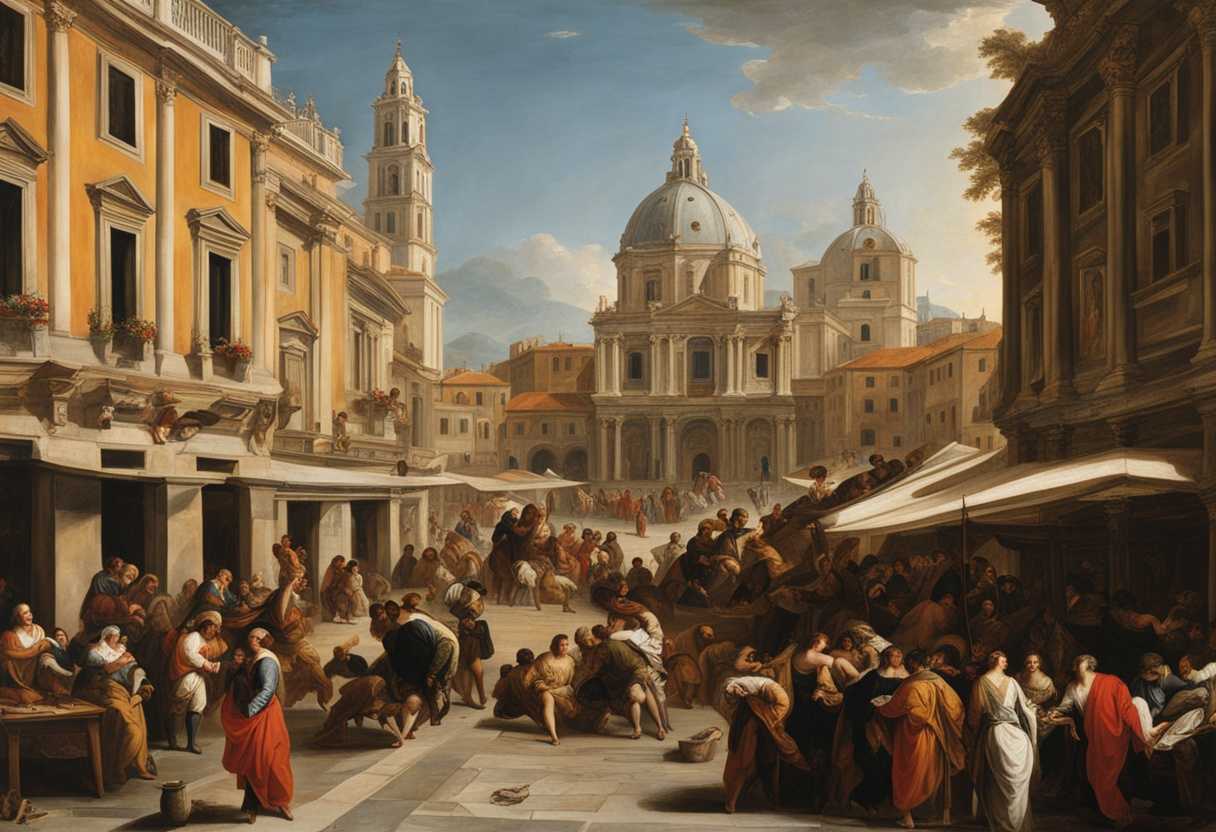
Setting the Scene for Matthew 9:36
In Matthew chapter 9, we find Jesus and his disciples traveling through the towns and villages of Galilee, teaching, preaching, and healing the sick. The scene described in verse 36 takes place in a bustling marketplace in one of these towns. The sun is shining brightly, casting a warm glow over the dusty streets lined with vendors selling their wares. The air is filled with the sounds of chatter, laughter, and the occasional bleating of a nearby goat.
As Jesus and his disciples make their way through the marketplace, they are surrounded by a diverse crowd of people from all walks of life. There are fishermen, farmers, merchants, and beggars, all eager to catch a glimpse of the renowned teacher and healer. The disciples walk closely beside Jesus, their faces reflecting a mixture of awe, reverence, and curiosity as they witness the miracles he performs and the compassion he shows to those in need.
In the midst of the bustling marketplace, Jesus stops suddenly, his eyes scanning the crowd with a look of deep compassion. He sees the people around him not just as a mass of faces, but as individuals with unique stories, struggles, and needs. It is in this moment that the verse in Matthew 9:36 captures the essence of Jesus’ heart for humanity, as he is moved with compassion for the lost and weary souls he encounters in his ministry.
What is Matthew 9:36 about?
This verse from the Bible paints a vivid picture of Jesus’ heart for people. Like a shepherd cares for their flock of sheep, Jesus saw the crowd’s need for guidance, protection, and care. They were wandering aimlessly in a world full of confusion and chaos, seeking answers and truth. Jesus, with his deep love and compassion, recognized their longing for direction and understanding.
Have you ever felt lost, unsure of where to turn or what path to follow? Just like the crowds in this verse, we can all relate to feeling like we are wandering without a shepherd to guide us. Jesus’s compassion extends to each one of us, offering us hope, comfort, and purpose. His loving gaze sees beyond our struggles and shortcomings, meeting us with understanding and grace. We have a shepherd who cares for us deeply and leads us with unwavering love; let us take comfort in knowing that.
Understanding what Matthew 9:36 really means
In the Gospel of Matthew, we find Jesus deeply engaged in ministering to the people, teaching, preaching the good news, and healing the sick. Amidst this active ministry, Matthew 9:36 stands out as a poignant moment where Jesus is moved with compassion for the crowds. The phrase “He had compassion on them” reveals a profound empathy and love that Jesus felt towards the people. It’s not merely a sentiment but a powerful force that propels Him to action, demonstrating the tangible nature of His compassion.
The description of the people as “harassed and helpless” paints a vivid picture of their state – troubled, distressed, and lacking guidance or support. This imagery of being “like sheep without a shepherd” further emphasizes their vulnerability and need for direction and protection. In biblical times, a shepherd’s role was crucial for the safety and well-being of the sheep, highlighting the significance of Jesus’ compassion and care for the people.
Drawing parallels from related biblical passages such as Psalm 23:1, John 10:11, and Ezekiel 34:11-12, we see a consistent theme of God’s shepherding care for His people. These passages reinforce the idea of God as the ultimate shepherd who provides, protects, and seeks out His flock. Jesus, in identifying Himself as the good shepherd who lays down His life for the sheep, exemplifies the sacrificial love and compassion that He embodies.
The relevance of this verse transcends time and culture, speaking to the universal human experience of feeling overwhelmed and in need of guidance and compassion. In today’s fast-paced and chaotic world, many individuals resonate with the description of being “harassed and helpless,” grappling with life’s challenges and uncertainties. The call to embody Jesus’ compassion and guidance remains as crucial today as it was in ancient times.
Consider Sarah, a young woman facing adversity and uncertainty, much like the crowds in Jesus’ time. Through the compassionate actions of a community of believers, Sarah finds support, guidance, and a sense of belonging. Their care mirrors the compassion Jesus had for the crowds, illustrating how we can be shepherds in the lives of those around us, offering love, support, and direction.
In conclusion, Matthew 9:36 challenges us to emulate Jesus’ compassion in our interactions with others. It prompts us to see beyond ourselves, recognize the needs of those around us, and extend a helping hand as shepherds in our communities. By embodying this compassion, we not only follow in the footsteps of Jesus but also bring hope and healing to a world that is in desperate need of love and care.
How can we show compassion to the lost?
We can show compassion to the lost by having a deep sense of empathy and understanding for their struggles and challenges. We can also see the lost as individuals in need of guidance, support, and love, just as Jesus felt compassion for the crowds because they were like sheep without a shepherd. We can approach them with gentleness, kindness, and a willingness to help them find their way back to God by recognizing their need for a shepherd.
One way to demonstrate compassion to the lost is through active listening and genuine care. We can take the time to listen to their stories, understand their background, and offer a shoulder to lean on. We can create a safe space for them to open up about their struggles and seek guidance by showing a willingness to truly see and hear them. Through our actions and words, we can reflect the love and compassion that Jesus had for the lost, helping them feel valued and understood.
Another way to show compassion to the lost is by offering practical help and support. This could involve providing food, clothing, shelter, or any other basic necessities they may need. We can show the lost that they are not alone and that there are people who care for them by extending a helping hand in times of need. Through our acts of kindness and generosity, we can demonstrate the love of Christ and sow seeds of hope and restoration in their lives.
Application
Think of the countless emails and messages you manage, each one representing a person needing a piece of your time or help. Now, imagine those who are truly lost, searching for warmth and hope in a chaotic world. Can you spare a moment to extend the same compassion and understanding you offer to your family and colleagues? Your kindness can be a guiding light in someone’s darkest hour. Are you ready to step up and be that beacon of love today?

Reverend Michael Johnson is an experienced Church Minister with a profound expertise in spirituality and guidance. With a serene presence and a compassionate heart, he has faithfully served his congregation for over 20 years, leading them on a spiritual journey towards inner peace and enlightenment. Reverend Johnson’s extensive knowledge of religious philosophies and profound understanding of human nature have made him a trusted confidant and mentor to many, as he seamlessly weaves his profound wisdom into life teachings. Reverend Johnson’s calming demeanor and empathetic nature continue to uplift and heal souls, nurturing a sense of unity and tranquility within his community.