
2 Samuel 4:8 is about how Rechab and Baanah, in their misguided attempt to seek favor with David by killing Ish-bosheth, instead face justice for their ruthless actions.
8 And they brought the head of Ish-bosheth to David at Hebron and said to the king, “Here is the head of Ish-bosheth, the son of Saul, your enemy, who sought your life. The Lord has avenged my lord the king this day on Saul and on his offspring.”
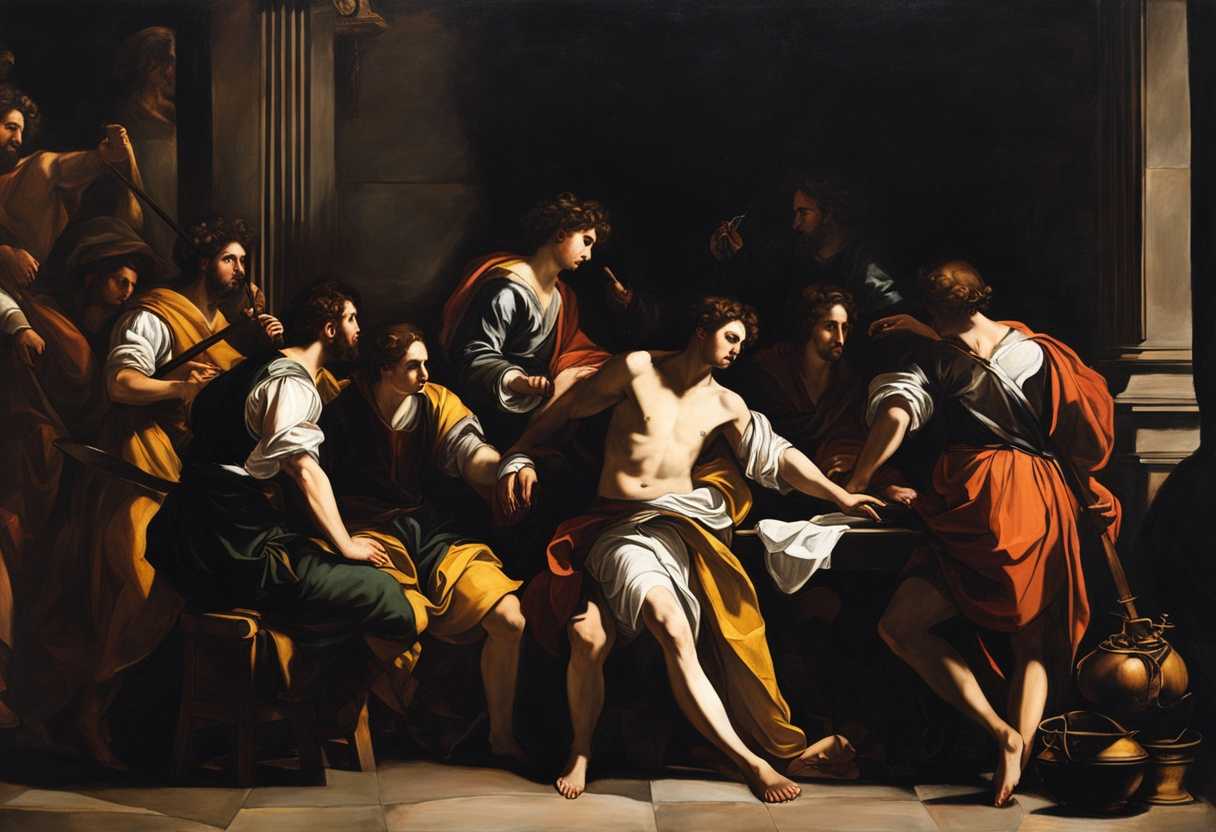
Setting the Scene for 2 Samuel 4:8
In 2 Samuel 4:8, we find ourselves in the aftermath of a tumultuous time in ancient Israel. The scene is set in the city of Hebron, a significant location in biblical history. The main characters in this scene are Rechab and Baanah, two brothers who were once commanders in the army of Saul, the former king of Israel. They have come to Hebron with the intention of gaining favor with David, who has now been anointed as king over Judah.
The surroundings are tense and filled with political intrigue as Rechab and Baanah present themselves before David. The brothers bring with them the head of Ish-bosheth, the son of Saul and a rival claimant to the throne. They believe that by delivering this gruesome trophy to David, they will be rewarded for eliminating a potential threat to his reign. However, their actions backfire as David, a man of integrity, condemns them for their treachery and orders their execution. This scene serves as a reminder of the consequences of deceit and betrayal in the tumultuous world of ancient Israel.
What is 2 Samuel 4:8 about?
Of course, I appreciate your understanding! The verse you’re referring to speaks about the importance of being kind and compassionate to one another. It conveys a message of forgiveness, understanding, and empathy towards others. It reminds us to treat others the way we would like to be treated in return.
Reflecting on this verse, we are prompted to consider our interactions with others. Are we showing kindness and compassion in our words and actions? Are we willing to forgive and understand the struggles and imperfections of those around us? It challenges us to examine how we can embody love and grace in our relationships and interactions with others. This verse serves as a timeless reminder of the power of kindness and compassion as we navigate through our daily lives. It encourages us to foster a culture of empathy and understanding, creating a more harmonious and compassionate society. Let us reflect on this message and strive to spread kindness and love in our words and deeds.
Understanding what 2 Samuel 4:8 really means
The verse in 2 Samuel 4:8 unfolds within the intricate narrative of King David’s ascent to power, a time marked by political upheaval and moral dilemmas. In this particular passage, we witness the grim act of Rechab and Baanah presenting Ish-Bosheth’s head to David, anticipating a reward for their treacherous deed. To truly grasp the weight of this event, delving into the historical and cultural backdrop of the era becomes imperative.
Drawing parallels with other biblical passages sheds light on the contrasting values at play. For instance, David’s merciful actions towards King Saul in 1 Samuel 24:6 stand in stark contrast to the ruthless behavior of Rechab and Baanah. Similarly, in 2 Samuel 1:14-16, David’s response to the Amalekite underscores his reverence for God’s anointed and his condemnation of unjust violence. The resonance of these themes extends even to the New Testament, as seen in Romans 12:19, emphasizing the divine prerogative of justice over human vengeance.
The enduring relevance of this verse reverberates through time, resonating with contemporary audiences on themes of justice, loyalty, and the sanctity of life. It serves as a poignant reminder that vigilante justice and retribution are antithetical to God’s will, urging a return to principles of divine justice and moral rectitude in a world often consumed by the allure of revenge.
Consider a modern-day scenario where forgiveness triumphs over retaliation in a workplace dispute. By choosing to extend grace and entrusting justice to higher authorities instead of seeking personal vendettas, individuals can foster a culture of harmony and fairness, mirroring the ethical underpinnings encapsulated in this verse.
Examining the nuanced phrases within the passage unveils deeper layers of moral reflection. The presentation of Ish-Bosheth’s head to David not only reveals a misguided attempt to win favor but also underscores a fundamental misunderstanding of both David’s character and God’s justice. The killers’ perception of Ish-Bosheth as an enemy contrasts sharply with David’s view of him as a fellow human and the son of God’s anointed, highlighting divergent moral compasses at play. The killers’ rationale of eliminating David’s supposed threats to gain his approval is swiftly rebuked by David’s subsequent actions, showcasing his disapproval of their misguided intentions.
In unraveling the moral and ethical intricacies embedded in this verse, we are prompted to seek justice through righteous means, uphold principles of loyalty and respect, and honor the sanctity of life as foundational tenets of a life aligned with divine will.
What is our responsibility towards those in need?
Our responsibility towards those in need is to show kindness and support. We should be willing to help and provide for those who are less fortunate, offering them assistance and care. It is important to be compassionate and generous towards those who are facing difficulties, as this reflects the values of kindness and empathy that are central to many religious teachings. We demonstrate our commitment to serving others and fostering a sense of community and solidarity by extending a helping hand to those in need. Showing love and compassion to those in need of our support is essential in times of struggle and hardship. We can make a positive impact and contribute to creating a more just and caring society by reaching out to others with kindness and generosity. Our responsibility towards those in need is a fundamental aspect of our moral and ethical duty as individuals, and it is through our actions and deeds that we can make a difference in the lives of others.
Application
Emulate King David’s blend of justice and mercy in your daily interactions. Let his command resonate within you, prompting you to act with both righteousness and compassion. How will you choose to navigate power and authority in your own life?

Reverend Michael Johnson is an experienced Church Minister with a profound expertise in spirituality and guidance. With a serene presence and a compassionate heart, he has faithfully served his congregation for over 20 years, leading them on a spiritual journey towards inner peace and enlightenment. Reverend Johnson’s extensive knowledge of religious philosophies and profound understanding of human nature have made him a trusted confidant and mentor to many, as he seamlessly weaves his profound wisdom into life teachings. Reverend Johnson’s calming demeanor and empathetic nature continue to uplift and heal souls, nurturing a sense of unity and tranquility within his community.