
Nehemiah 9:5-6 is about acknowledging and praising the greatness, power, and worthiness of God through confession of sin, recognition of His covenant faithfulness, and adoration of His supreme authority as the Creator of all things.
5 Stand up and bless the Lord your God from everlasting to everlasting. Blessed be your glorious name, which is exalted above all blessing and praise.
6 “You are the Lord, you alone. You have made heaven, the heaven of heavens, with all their host, the earth and all that is on it, the seas and all that is in them; and you preserve all of them; and the host of heaven worships you.”
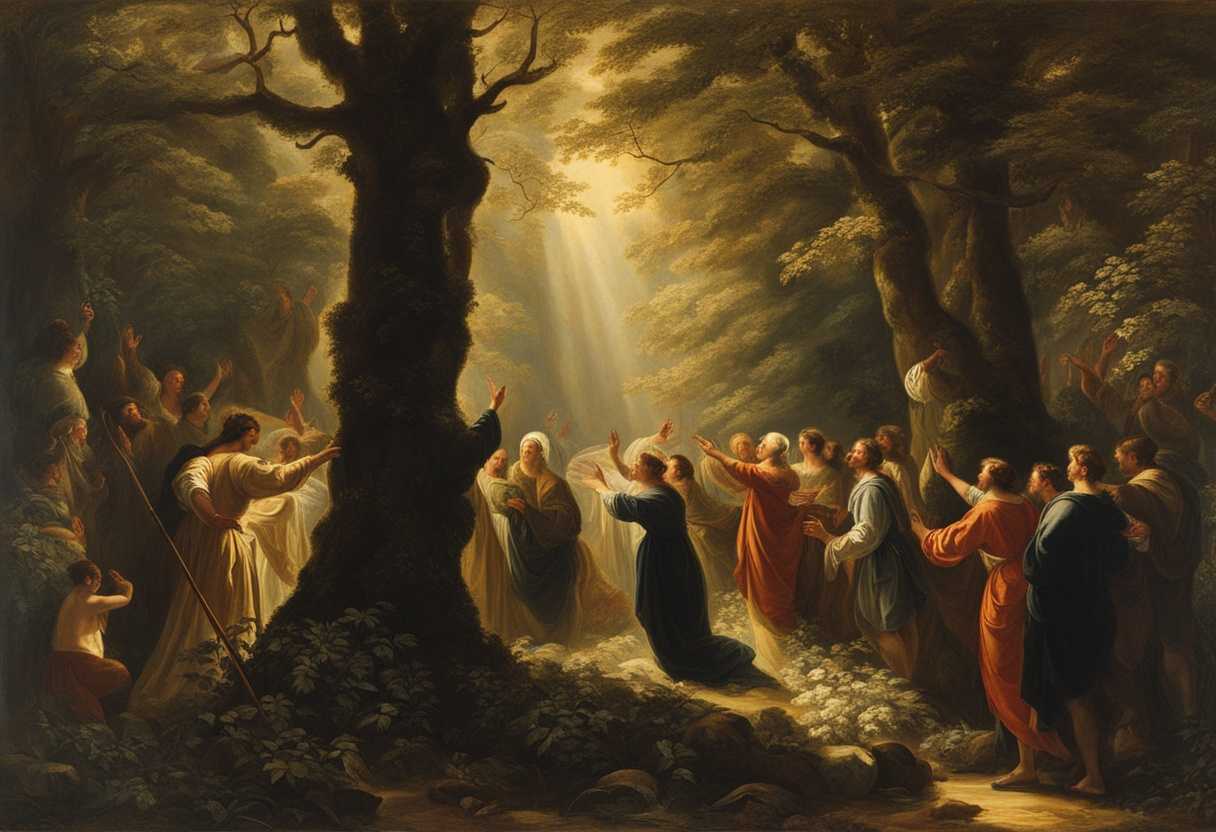
Setting the Scene for Nehemiah 9:5-6
The scene in Nehemiah 9:5-6 takes place in Jerusalem, specifically in the courtyard of the temple. The people of Israel have gathered together for a solemn assembly to confess their sins and worship the Lord. The courtyard is filled with men, women, and children, all standing before the Lord with humility and reverence.
Nehemiah, the governor, stands at the forefront, leading the people in prayer and confession. The Levites are also present, assisting Nehemiah in guiding the people in worship. The atmosphere is heavy with emotion as the people reflect on their history of disobedience and God’s faithfulness towards them.
As the people bow their heads in prayer, Nehemiah begins to recite a powerful prayer of confession and praise. He acknowledges the sins of the Israelites throughout their history, from their ancestors in Egypt to their current generation. Despite their failures, Nehemiah praises God for His faithfulness, righteousness, and mighty works on behalf of His people. The scene is one of repentance, humility, and a deep desire to recommit their lives to following God wholeheartedly.
What is Nehemiah 9:5-6 about?
The Israelites acknowledge the greatness of God and His divine creation in Nehemiah 9:5-6. They reflect on the majesty of God, the Creator of the heavens and earth, and all that is within them. They are humbling themselves before God and acknowledging His sovereignty over all things by recognizing His omnipotence and supremacy. This act of acknowledgment is not merely about words but a heartfelt confession of their sins, weaknesses, and shortcomings. They are demonstrating their reverence and dependency on God, seeking His forgiveness and guidance.
The Israelites also embrace worship as a means to express their gratitude and devotion to God. Through prayer and praise, they are connecting with Him on a spiritual level, recognizing His mercy, goodness, and faithfulness. They are inviting His presence into their lives, seeking renewal, and restoration in their relationship with Him by turning to God in worship. This passage serves as a powerful reminder for us to approach God with humility, honesty, and adoration, recognizing His greatness, confessing our sins, and worshiping Him with our whole hearts. How often do we pause to acknowledge God’s greatness and creation in our lives? How deeply do we confess our sins and seek forgiveness from God? Are our worship and devotion genuine expressions of gratitude and reverence towards God? Reflect on Nehemiah 9:5-6 and strive to follow the example set by the Israelites in acknowledging God’s greatness, confessing our sins, and worshiping Him wholeheartedly.
Understanding what Nehemiah 9:5-6 really means
In the historical context of Nehemiah, a prominent figure in the rebuilding of Jerusalem’s walls post-Babylonian exile, we find a poignant prayer of confession and worship led by the Levites. Within this prayer, Nehemiah 9:5-6 stands out as a pivotal moment where the people are called to acknowledge the greatness of God and His creation. This sets the stage for a profound reflection on their sins and the mercy of God, emphasizing the importance of recognizing His sovereignty in their lives.
The key phrases in these verses hold significant meanings that resonate through time. “Stand up and bless the Lord your God from everlasting to everlasting” urges the people to praise God for His eternal nature, highlighting His timeless existence. “Blessed be your glorious name, which is exalted above all blessing and praise” exalts the incomparable nature of God’s name, deserving of all honor and reverence. The declaration “You are the Lord, you alone” reaffirms the monotheistic belief central to Judaism, acknowledging God as the sole deity worthy of worship.
Acknowledging God as the Creator of all things, the verses proclaim, “You have made heaven, the heaven of heavens, with all their host, the earth and all that is on it, the seas and all that is in them.” This acknowledgment of God’s omnipotence in creation underscores His power and authority over all existence. Furthermore, the statement “You preserve all of them; and the host of heaven worships you” emphasizes God’s sustaining power and the worship He receives from all creation, including heavenly beings.
Drawing connections to other biblical passages enriches our understanding of Nehemiah 9:5-6. Genesis 1:1 establishes the foundation of God as the Creator, while Psalm 148:2-5 and Isaiah 40:28 echo the call for all creation to worship God and emphasize His eternal nature. These passages collectively reinforce the themes of worship, creation, and God’s sovereignty present in Nehemiah’s prayer.
The relevance of these verses extends to contemporary life, reminding us of the importance of acknowledging God’s sovereignty, finding solace in His eternal nature amidst life’s challenges, and fostering unity through collective worship. Just as the Israelites united in confession and worship, modern communities can draw strength and unity from acknowledging God’s greatness and seeking solace in His power and mercy.
Consider a scenario where a community, facing a natural disaster, gathers not only to rebuild physically but also to find spiritual strength. In their collective prayer, they echo the sentiments of Nehemiah’s prayer, acknowledging God’s power and mercy. This act of communal faith serves as a beacon of hope and resilience, uniting individuals in worship and gratitude.
In conclusion, Nehemiah 9:5-6 stands as a poignant reminder of God’s eternal nature, His role as Creator, and the significance of worship. These verses call us to recognize and praise God’s greatness, providing a foundation for faith and unity in challenging times. Just as the Israelites found strength in collective worship, may we too draw inspiration from these words to deepen our faith and foster unity in acknowledging the greatness of our Creator.
What does it mean to reverence God’s holy name?
To reverence God’s holy name means to hold it in high honor and to show deep respect for it. It entails recognizing the holiness, power, and majesty of God’s name and reflecting that reverence through our thoughts, words, and actions. Reverencing God’s name involves acknowledging His greatness, obeying His commandments, and glorifying Him in all that we do. The people of Israel in Nehemiah 9:5-6 demonstrated their reverence for God’s name by standing up and praising Him with lifted hands. They acknowledged God’s supremacy and exalted His holy name with awe and praise. They showcased their reverence and awe for the Lord by confessing their sins and praising God’s mighty works. We, as believers, are called to revere and honor God’s holy name in all aspects of our lives. We show our reverence for His name and proclaim His greatness to the world by worshiping Him, obeying His Word, and living in a manner that reflects His holiness.
Application
Embrace the power of Nehemiah 9:5-6, it unveils the spectacular glory and purity of our Almighty. Let’s bow in respect of His grandeur, confess our missteps, and praise Him with deep respect and appreciation. Don’t just say these words; let them ignite a burning passion in you to lead a life that exalts and magnifies the Divine. Will you answer this summons to fully embrace His guidance and venerate Him with respect and appreciation?

Reverend Michael Johnson is an experienced Church Minister with a profound expertise in spirituality and guidance. With a serene presence and a compassionate heart, he has faithfully served his congregation for over 20 years, leading them on a spiritual journey towards inner peace and enlightenment. Reverend Johnson’s extensive knowledge of religious philosophies and profound understanding of human nature have made him a trusted confidant and mentor to many, as he seamlessly weaves his profound wisdom into life teachings. Reverend Johnson’s calming demeanor and empathetic nature continue to uplift and heal souls, nurturing a sense of unity and tranquility within his community.