
Numbers 12:4-8 is about how God affirms and speaks directly to Moses, making it clear that His communication with Moses is unique and not like that with other prophets, emphasizing the special relationship between God and Moses.
4 And suddenly the Lord said to Moses and to Aaron and Miriam, “Come out, you three, to the tent of meeting.” And the three of them came out.
5 And the Lord came down in a pillar of cloud and stood at the entrance of the tent and called Aaron and Miriam, and they both came forward.
6 And he said, “Hear my words: If there is a prophet among you, I the Lord make myself known to him in a vision; I speak with him in a dream.
7 Not so with my servant Moses. He is faithful in all my house.
8 With him I speak mouth to mouth, clearly, and not in riddles, and he beholds the form of the Lord. Why then were you not afraid to speak against my servant Moses?
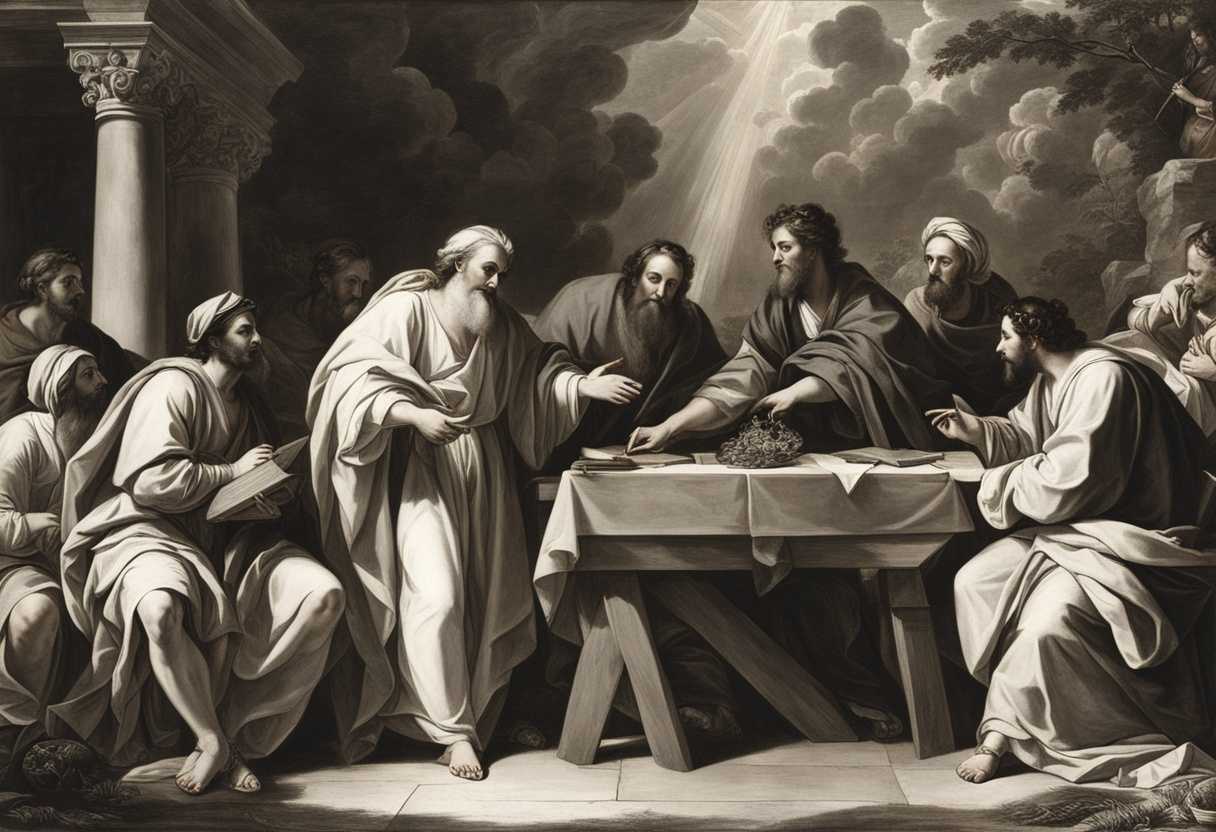
Setting the Scene for Numbers 12:4-8
In the book of Numbers, we find a scene where Moses, Aaron, and Miriam are gathered together in the Tabernacle. The Tabernacle is a sacred tent where the Israelites worship and seek guidance from God. Moses, the leader chosen by God to lead the Israelites out of Egypt, is known for his close relationship with the Almighty. Aaron, his brother, serves as the high priest, and Miriam, their sister, is a prophetess.
On this particular occasion, Miriam and Aaron confront Moses about his marriage to a Cushite woman. They express their discontent with Moses’ choice of spouse, questioning his authority and claiming that God speaks through them as well. However, God intervenes, calling them out for their lack of faith in Moses’ unique position as the chosen leader. He reaffirms Moses’ special relationship with Him, stating, “With him I speak face to face, clearly and not in riddles; he sees the form of the Lord” (Numbers 12:8).
The setting is solemn and reverent, with the golden furnishings of the Tabernacle gleaming in the soft light filtering through the fabric walls. The air is heavy with the scent of burning incense, and the sound of prayers and chants fills the space. Moses stands tall and resolute, his face reflecting the divine glow of his recent communion with God. Aaron and Miriam, though filled with pride and jealousy, are humbled by the presence of the Almighty, who makes it clear that Moses holds a unique and privileged position among His chosen people.
What is Numbers 12:4-8 about?
This verse highlights the importance of humility and respect in our relationships with others, especially those in positions of leadership or authority. Miriam and Aaron’s criticism of Moses demonstrates the dangers of jealousy and pride, as it ultimately leads to God rebuking them for their actions. They not only undermine Moses’s authority but also challenge his close relationship with God by speaking against him. It serves as a powerful reminder to us all to be cautious of our words and actions towards others, especially when it comes to questioning their character or integrity.
Have you ever found yourself in a situation where you’ve spoken negatively about someone in a position of authority? Maybe you felt envious of their success or questioned their decisions. This verse reminds us that such actions are not only harmful to others but also disrespectful to the work they do. It prompts us to reflect on our motivations and intentions when we criticize others, urging us to approach conflicts or disagreements with kindness and understanding rather than contempt or judgment. Let’s strive to cultivate a spirit of humility and grace in our interactions with others, recognizing the value of honoring and upholding those in leadership roles.
Understanding what Numbers 12:4-8 really means
In the Book of Numbers, amidst the Israelites’ journey through the wilderness, a significant event unfolds involving Moses, Miriam, Aaron, and God. Miriam and Aaron question Moses’ authority and relationship with God, prompting a swift and direct response from the Lord. The phrase “Suddenly the Lord said to Moses, Aaron, and Miriam” highlights the immediacy of God’s intervention, emphasizing His intolerance towards dissent against His chosen leader. This summons to the tent of meeting signifies a serious matter that necessitates divine clarification, setting the stage for a profound interaction.
God’s declaration, “With him I speak mouth to mouth, clearly, and not in riddles,” distinguishes Moses as a recipient of direct and unambiguous communication from God, unlike other prophets who receive visions or dreams. The rhetorical question, “Why then were you not afraid to speak against my servant Moses?” serves as a rebuke, underscoring the gravity of Miriam and Aaron’s actions and their lack of reverence towards God’s appointed leader. These phrases illuminate the unique dynamics at play and the consequences of challenging God’s chosen authority.
Drawing parallels from related biblical passages such as Exodus 33:11 and Deuteronomy 34:10, we see a consistent portrayal of Moses’ exceptional relationship with God, highlighting his unparalleled status among prophets. Hebrews 3:5-6 further connects Moses’ faithfulness as a servant with Christ’s supremacy, emphasizing the enduring significance of Moses’ role in biblical history. These passages deepen our understanding of the reverence and respect due to divinely appointed leaders.
The relevance of Numbers 12:4-8 extends to contemporary contexts, emphasizing the importance of respecting leadership, acknowledging God’s sovereignty in His choices, and nurturing a close relationship with God through prayer and obedience. Just as questioning a manager’s decisions can lead to discord in a workplace, challenging God’s chosen leaders or His plans can disrupt spiritual harmony. Recognizing and honoring God’s sovereignty and His appointed instruments can foster unity and peace in communities.
In conclusion, Numbers 12:4-8 illuminates the unique relationship between God and Moses, underscores the significance of respecting divinely appointed leaders, and underscores the need for reverence towards God’s choices. As we reflect on this passage, let us consider how we view and respect leadership in our communities, striving to promote unity and respect in alignment with God’s will.
How can we hear God’s voice like Moses?
To hear God’s voice like Moses, we must strive for a close relationship with Him and seek His presence diligently. Moses had a unique intimacy with God, speaking to Him face to face as a man speaks with his friend. This closeness was not automatic but was cultivated through Moses’ humility, obedience, and deep desire to know God more intimately. We can draw nearer to Him and hear His voice more clearly by spending time in prayer, studying the Word, and listening attentively to God.
Furthermore, we need to be willing to submit ourselves to God’s authority and trust in His plan for our lives. Moses was a humble servant of God, putting aside his own desires and agenda to follow God wholeheartedly. His faith and obedience allowed God to speak to him directly and guide him in leading the Israelites. We position ourselves to hear His voice clearly and receive His direction for our lives by surrendering our will to God’s and seeking His guidance above all else.
Lastly, authenticity and honesty are key in our relationship with God. Moses was not afraid to express his doubts, fears, and concerns to God. He was open and vulnerable before God, allowing for a genuine and transparent dialogue. Approaching God with sincerity and pouring out our hearts to Him creates a space for God to speak to us and reveal His truth in a personal and profound way.
Application
Dear reader, in the tale of Moses, Aaron, and Miriam, we are shown the significance of humility and respect in our relationships, particularly with our leaders. Let us be like a well-oiled machine in the workplace, honoring and uplifting those in authority over us. Just as a family functions best when everyone plays their part, so too can we thrive when we show deference and humility towards our spiritual leaders and those in authority. Will you take up this mantle and lead by example in honoring and respecting those appointed above you?

Reverend Michael Johnson is an experienced Church Minister with a profound expertise in spirituality and guidance. With a serene presence and a compassionate heart, he has faithfully served his congregation for over 20 years, leading them on a spiritual journey towards inner peace and enlightenment. Reverend Johnson’s extensive knowledge of religious philosophies and profound understanding of human nature have made him a trusted confidant and mentor to many, as he seamlessly weaves his profound wisdom into life teachings. Reverend Johnson’s calming demeanor and empathetic nature continue to uplift and heal souls, nurturing a sense of unity and tranquility within his community.