
Numbers 12:7-8 is about God reminding Aaron and Miriam that He speaks to His prophets in dreams and visions, emphasizing the unique and direct nature of His communication with Moses.
7 Not so with my servant Moses. He is faithful in all my house.
8 With him I speak mouth to mouth, clearly, and not in riddles, and he beholds the form of the Lord. Why then were you not afraid to speak against my servant Moses?
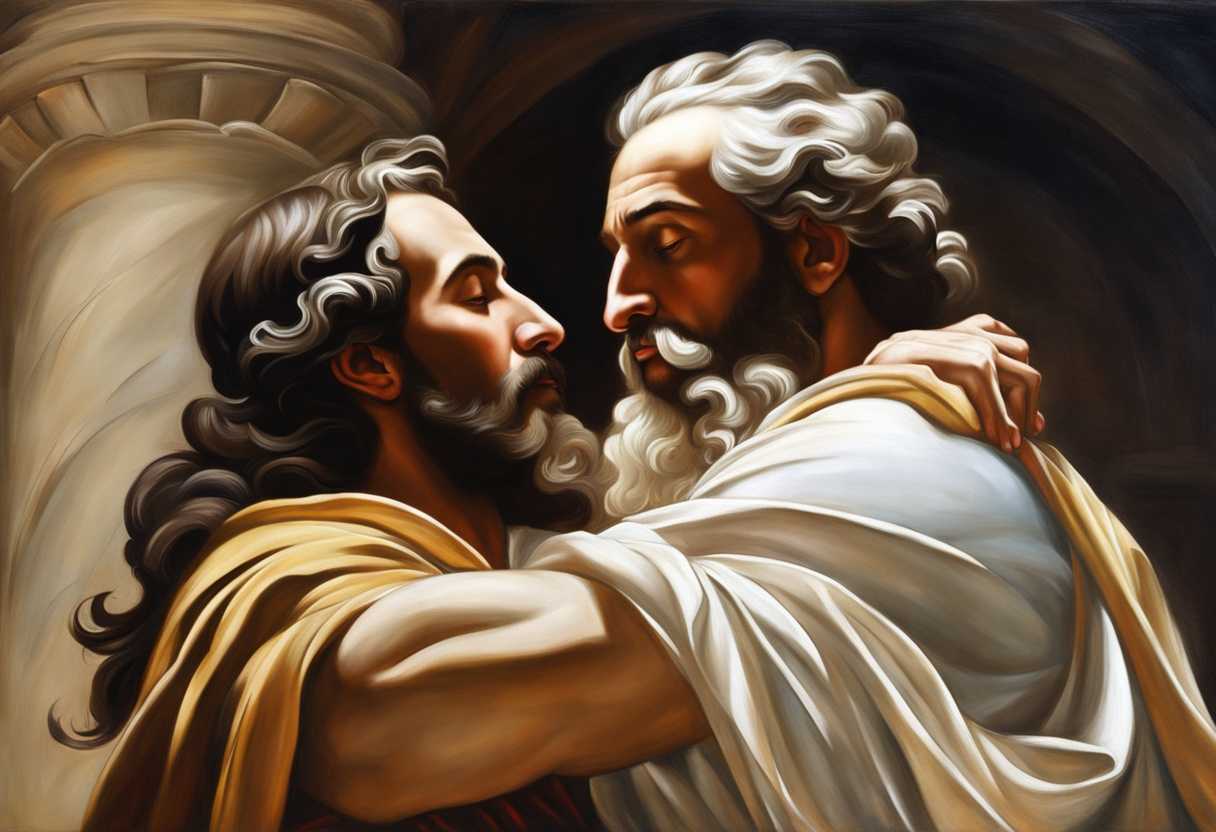
Setting the Scene for Numbers 12:7-8
The scene in Numbers 12:7-8 takes place in the wilderness during the time when the Israelites were wandering after their exodus from Egypt. The main characters in this scene are Moses, Aaron, and Miriam. Moses, the leader chosen by God to lead the Israelites out of Egypt, is in conversation with his siblings Aaron and Miriam.
The setting is a campsite in the wilderness, with tents scattered around and the Tabernacle, the sacred tent where God’s presence dwelt among the Israelites, in the center. The sun is shining brightly in the sky, casting a warm glow over the desert landscape. As the three siblings gather together, Moses is speaking to them about the unique relationship he has with God, emphasizing that God speaks to him face to face, unlike with other prophets where God speaks in dreams and visions.
Moses explains to Aaron and Miriam that God has chosen him specifically to lead the Israelites, and that they should not question his authority. He humbly acknowledges that while prophets may receive visions and dreams, he has a direct line of communication with God. This scene serves as a reminder of the importance of respecting God’s chosen leaders and the unique ways in which God communicates with His people.
What is Numbers 12:7-8 about?
God addresses Moses directly in this verse, highlighting his unique and esteemed position as a faithful servant. This interaction serves as a reminder of the profound relationship that exists between Moses and God, characterized by trust, communication, and respect. It emphasizes the special role that Moses plays in carrying out God’s divine plan and serving as a conduit for His will to be known on earth. Moses stands out as a faithful servant in the eyes of God as we reflect on this verse, prompting us to consider his qualities. What sets him apart from others, and what can we learn from his example? Through this interaction, we are challenged to examine our own relationship with God and reflect on the ways in which we, too, can strive to be faithful servants in our daily lives. We are reminded of the importance of cultivating a strong and unwavering connection with the divine, seeking to fulfill our unique purpose with dedication and humility, just as God singled out Moses for his faithfulness.
Understanding what Numbers 12:7-8 really means
In Numbers 12:7-8, we witness a profound dialogue between God and Moses, shedding light on the unique relationship Moses shares with the Almighty. The context reveals a moment of contention as Miriam and Aaron question Moses’ authority due to his marriage to a Cushite woman. In response, God unequivocally asserts Moses’ exceptional position as His servant, emphasizing the unparalleled intimacy and clarity of their communication. The phrase “My servant Moses” encapsulates not only Moses’ role but also the depth of trust, loyalty, and divine calling that define his relationship with God. This designation sets Moses apart as a faithful steward in God’s house, unwavering in his commitment to carrying out God’s will.
God’s declaration that He speaks to Moses “mouth to mouth, clearly, and not in riddles” underscores the direct and unambiguous nature of their interaction. Unlike the veiled messages given to other prophets, Moses enjoys a transparency and closeness in his communion with God that is unparalleled. The imagery of Moses beholding the form of the Lord hints at a unique privilege, suggesting a profound encounter with God’s presence that distinguishes him among the prophets. These verses not only highlight Moses’ exceptional status but also serve as a testament to the depth of intimacy and clarity that can exist in a relationship with the Divine.
Drawing parallels to our lives today, the narrative prompts reflection on themes of faithfulness, trust, and intimacy with God. Just as Moses exemplified unwavering faithfulness in his service, we are called to demonstrate reliability and trustworthiness in our own spheres of influence. The depiction of direct communication between God and Moses serves as a poignant reminder of our potential for a close and personal relationship with the Divine through prayer and Scripture. Furthermore, the passage underscores the importance of respecting and honoring those in leadership positions, recognizing their unique roles and responsibilities as appointed by God.
Consider a workplace scenario where a manager has exclusive access to the CEO, receiving directives firsthand while others rely on intermediaries. This analogy mirrors Moses’ direct line of communication with God, enabling him to lead with clarity and confidence. Similarly, our pursuit of intimacy with God can enhance our understanding of His will and empower us to lead effectively in our respective spheres. In conclusion, Numbers 12:7-8 beckons us to emulate Moses’ faithfulness, seek intimacy with God, and honor divinely appointed leadership. May we strive for integrity and closeness in our walk with the Divine, following in the footsteps of Moses as faithful stewards of God’s calling.
How can we distinguish messages from God?
God speaks to Moses and Aaron in a vision in the verses you referenced. This indicates that messages from God can come in various forms, such as visions, dreams, or direct communication. These messages are usually clear and impactful, often carrying divine instruction or guidance. Recognizing a message from God can involve a sense of clarity and certainty, as well as a deep feeling of reverence and connection to the divine.
Furthermore, messages from God often align with His character and teachings as revealed in scriptures. Therefore, it is important to compare and align any perceived message with the principles and values outlined in the holy texts. Additionally, seeking guidance from spiritual leaders or mentors can help in discerning the authenticity and significance of a potential message from God. One can better distinguish and interpret messages from God when they are received by staying grounded in faith and continuously seeking wisdom.
Application
Reflect on how God personally communicates with His chosen servants and commit to deepening your relationship with Him through prayer and seeking His guidance. Embrace the lessons of humble submission and reverence before the Lord, allowing them to shape your attitudes and actions. Will you answer the call with a receptive heart and a devoted spirit, ready to walk in His light?

Reverend Michael Johnson is an experienced Church Minister with a profound expertise in spirituality and guidance. With a serene presence and a compassionate heart, he has faithfully served his congregation for over 20 years, leading them on a spiritual journey towards inner peace and enlightenment. Reverend Johnson’s extensive knowledge of religious philosophies and profound understanding of human nature have made him a trusted confidant and mentor to many, as he seamlessly weaves his profound wisdom into life teachings. Reverend Johnson’s calming demeanor and empathetic nature continue to uplift and heal souls, nurturing a sense of unity and tranquility within his community.