
Micah 3:1 is about warning the rulers and leaders of Israel for their corruption and unjust practices, emphasizing the consequences they will face for their oppression of the people.
3 And I said: Hear, you heads of Jacob
and rulers of the house of Israel!
Is it not for you to know justice?
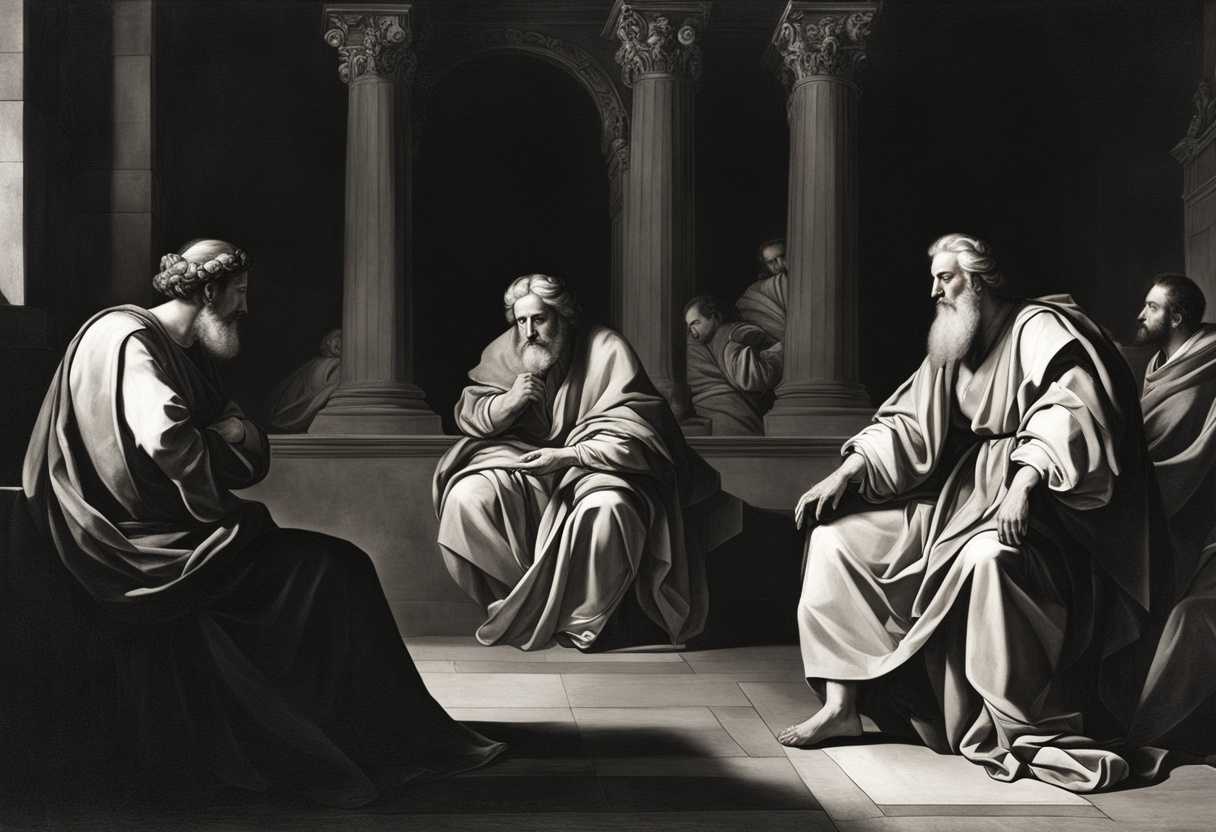
Setting the Scene for Micah 3:1
In Micah chapter 3, the scene is set in the city of Jerusalem during a time of great turmoil and corruption. The prophet Micah, a humble and righteous man chosen by God to deliver His message, stands in the midst of the city square, surrounded by a crowd of people. Among them are the rulers, priests, and false prophets of the land, who have strayed from God’s ways and are leading the people astray.
The rulers, including King Ahaz and his officials, have become corrupt and are using their power for personal gain, oppressing the poor and perverting justice. The priests and false prophets, who should be guiding the people in righteousness, have turned away from God’s commandments and are preaching lies for their own benefit. The atmosphere is tense, with a sense of impending judgment hanging over the city.
As Micah begins to speak, his voice cuts through the noise of the bustling city, delivering a powerful message of rebuke and warning from the Lord. His words are filled with conviction and authority, calling out the sins of the rulers, priests, and false prophets, and foretelling the destruction that will come upon Jerusalem if they do not repent and turn back to God. The scene is charged with emotion as the people listen, some with fear and conviction, others with defiance and anger.
What is Micah 3:1 about?
Leaders should be held accountable for their actions, especially when they misuse their power for personal gain or to oppress others, as seen in Micah 3:1. This verse serves as a reminder that those in positions of authority have a responsibility to act justly and with integrity. It highlights the importance of ethical and moral leadership, emphasizing that leaders who exploit their power will ultimately face consequences for their corruption.
Imagine a world where leaders governed with compassion and fairness, where they used their authority to uplift and protect their communities rather than manipulate and dominate. This verse challenges us to reflect on the impact of leadership on society and the importance of holding our leaders to a high standard of ethical conduct. It prompts us to consider the ways in which we can advocate for accountability and justice in our own spheres of influence, fostering a culture of integrity and righteousness.
Let’s take a moment to reflect on the leaders in our lives, whether in government, work, or community organizations. How do they wield their power? Are they using it to serve the common good, or are they engaging in corrupt practices? As we ponder these questions, let us also consider how we can support and promote ethical leadership, stand up against injustice, and hold those in power accountable for their actions.
Understanding what Micah 3:1 really means
Micah 3:1 delivers a poignant message directed at the leaders of Israel, urging them to heed the call for justice and righteousness. In the broader context of the book of Micah, we find a prophet speaking out against the prevalent social injustice and moral degradation of his time. The leaders, entrusted with the well-being of the people, had strayed from their duty, exploiting rather than serving those under their care.
The verse opens with a direct address to the leaders of Jacob and the rulers of Israel, underscoring their pivotal role in upholding justice. The pointed question, “Should you not embrace justice?” serves as a stark reminder of the inherent expectation for leaders to embody and promote justice in their actions and decisions. This rhetorical query challenges the leaders to introspect on their responsibilities and the moral imperative to act justly.
Drawing parallels with other biblical passages such as Isaiah 1:17 and Proverbs 31:8-9, we see a consistent theme of advocating for justice and defending the marginalized. These verses reinforce the timeless call for leaders to protect the vulnerable, speak up for the oppressed, and ensure fair treatment for all members of society. The ethical mandate for leaders to champion justice resonates across different contexts and remains relevant in contemporary leadership discourse.
In today’s world, where leaders in various domains face scrutiny for their conduct, Micah 3:1 serves as a poignant reminder of the ethical obligations that come with leadership. Whether in government, business, or community settings, the imperative to act justly and uphold righteousness remains paramount. The verse prompts us to reflect on our own roles and responsibilities, challenging us to align our actions with the principles of justice and fairness.
Consider the example of a community leader who, upon recognizing an unjust policy affecting vulnerable families, took proactive steps to address the issue. By advocating for policy changes, organizing support networks, and amplifying the voices of the marginalized, this leader embodied the essence of embracing justice. Such anecdotes illustrate the transformative power of ethical leadership and the tangible impact it can have on creating a more equitable society.
In conclusion, Micah 3:1 beckons us to embrace justice not merely as a moral ideal but as a practical imperative in our daily lives. Whether in positions of formal leadership or as individuals within our communities, we are called to listen attentively, act justly, and advocate for fairness. By heeding this call, we align ourselves with the core values of our faith and contribute to the cultivation of a more just and compassionate society.
How can we ensure leaders act justly and fairly?
One way to ensure that leaders act justly and fairly is by holding them accountable. Leaders should be transparent in their decisions and actions, and they should be answerable to the people they lead. This accountability can help prevent corruption, abuse of power, and injustice.
Another way to ensure just and fair leadership is by promoting humility. Leaders should approach their positions with a genuine desire to serve and benefit their community or organization rather than seeking personal gain or power. Humble leaders are more likely to consider the needs and rights of others and make decisions that are guided by fairness and justice.
Additionally, leaders should surround themselves with advisors and peers who hold them to a high standard of ethics and morality. Having a diverse group of voices and perspectives can help leaders make well-rounded decisions that prioritize justice and fairness for all. Leaders can avoid the pitfalls of self-interest and make choices that benefit the greater good by seeking counsel and feedback from others.
Application
Let’s be the warriors of truth in our modern world, fighting against injustice and championing righteousness in our communities with every action we take. Just as we protect and nurture our own families, let’s extend that care to all those around us who are suffering injustice. Are you ready to stand up for what is right and make a difference today?

Reverend Michael Johnson is an experienced Church Minister with a profound expertise in spirituality and guidance. With a serene presence and a compassionate heart, he has faithfully served his congregation for over 20 years, leading them on a spiritual journey towards inner peace and enlightenment. Reverend Johnson’s extensive knowledge of religious philosophies and profound understanding of human nature have made him a trusted confidant and mentor to many, as he seamlessly weaves his profound wisdom into life teachings. Reverend Johnson’s calming demeanor and empathetic nature continue to uplift and heal souls, nurturing a sense of unity and tranquility within his community.