
Numbers 19:21 is about the importance of purification through the water of cleansing to remove the defilement of sin and restore purity before entering into the presence of the Lord.
21 And it shall be a perpetual statute for them.
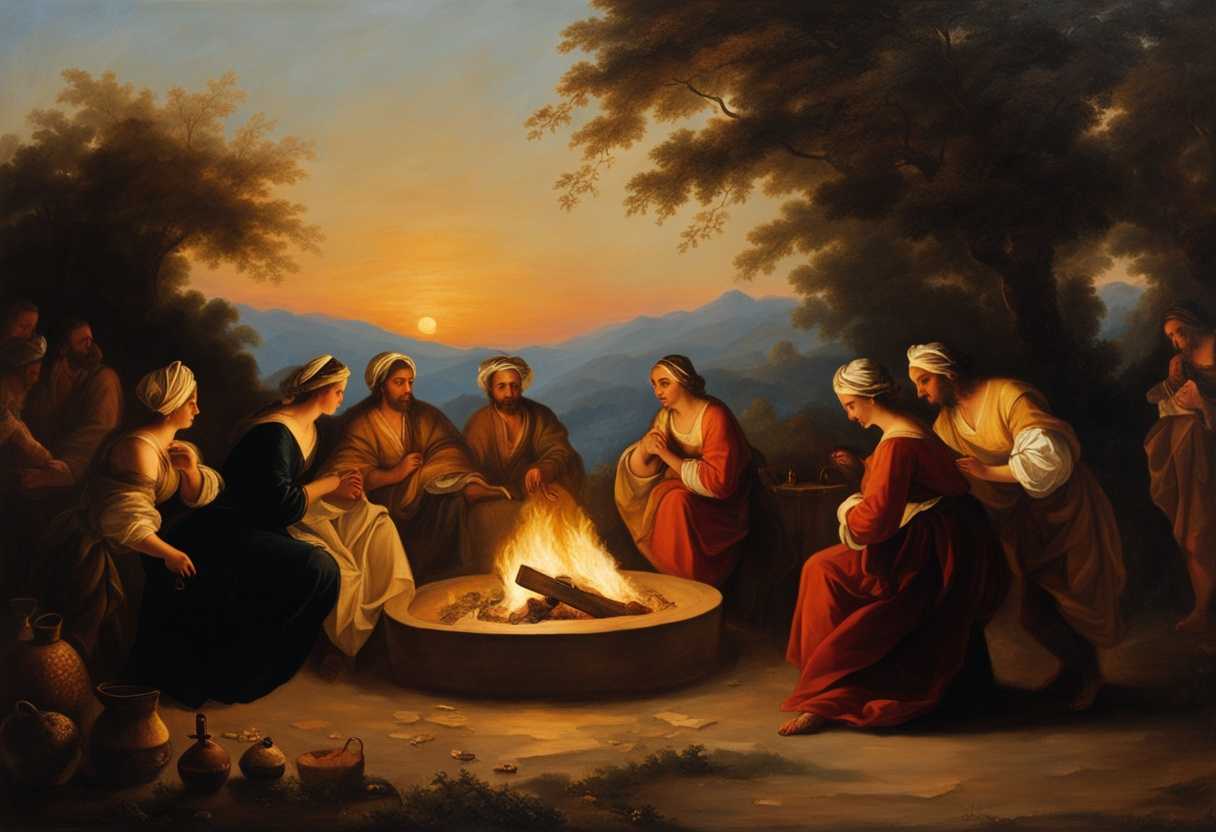
Setting the Scene for Numbers 19:21
In Numbers chapter 19, we find the Israelites in the wilderness, journeying towards the Promised Land under the leadership of Moses. The scene described in Numbers 19:21 takes place after the Lord has given Moses instructions regarding the purification ritual using the ashes of a red heifer to cleanse those who have come into contact with a dead body.
In this particular moment, we see Moses, Aaron, and the priests gathered together at the Tabernacle, the sacred tent where God’s presence dwelt among the Israelites. The atmosphere is solemn and reverent as they carry out the purification ceremony according to the laws given by God. The smell of the burning heifer’s ashes fills the air, symbolizing the cleansing power of God’s forgiveness and redemption.
Surrounded by the vast desert landscape, with the Tabernacle as the focal point of their worship, the Israelites are reminded of their dependence on God for spiritual purity and guidance as they continue their journey towards the land promised to them. The scene captures a moment of obedience and faithfulness as the people of Israel seek to honor God’s commands and maintain their holiness in the midst of their challenging wilderness experience.
What is Numbers 19:21 about?
This verse speaks to the powerful symbolism of water and ashes in various cultural and religious traditions as tools for purification and cleansing. Water is often seen as a symbol of renewal, purity, and life itself. It has the ability to cleanse and wash away impurities, both physical and spiritual. Similarly, ashes are often associated with humility, transformation, and the cycle of life and death. The act of using both water and ashes for purification signifies a deep spiritual renewal, a shedding of the old and a stepping into a new, purified state.
When we think about the act of purification through water and ashes, we are reminded of the importance of spiritual cleanliness and the need to rid ourselves of negativity, impurities, and defilement. It prompts us to reflect on our own lives and question what impurities we may be carrying within ourselves. Are there negative emotions, past regrets, or harmful behaviors that we need to cleanse ourselves of? Engaging in rituals of purification invites us to cleanse not only our physical bodies but also our minds and souls, creating space for growth, healing, and transformation. It is a reminder that just as water can wash away dirt and impurities, and ashes can symbolize the end of one chapter and the beginning of a new one, we too have the power to cleanse ourselves and start anew.
Understanding what Numbers 19:21 really means
Numbers 19:21, nestled within the laws of purification in the Old Testament, serves as a poignant reminder of the significance of ritual purity and the repercussions of neglecting these sacred practices. The verse underscores the meticulous process of purification using the ashes of a red heifer, highlighting the meticulousness required in seeking spiritual cleanliness. It beckons us to ponder the intentionality behind our actions and the reverence we should have towards matters of spiritual significance.
Drawing parallels to related passages such as Hebrews 9:13-14, Psalm 51:7, and 1 John 1:9, we discern a common thread of purification and the yearning for spiritual cleanliness woven throughout the Bible. These passages illuminate the evolution of purification rites from the Old Testament to the New Testament, culminating in the ultimate purification through the sacrifice of Christ. They beckon us to reflect on our own spiritual journey and the avenues through which we seek purification and renewal.
In a contemporary context, the essence of purification resonates deeply with our innate desire for moral and spiritual purity. Just as the ancient Israelites sought cleansing through ritual practices, we too yearn for a sense of inner cleanliness and renewal. Consider the individual burdened by guilt, akin to one who has touched the water of cleansing in ancient times. The weight of their transgressions may hinder their progress, yet through spiritual disciplines like prayer, confession, and seeking forgiveness, they can find solace and a path to spiritual rejuvenation.
The phrases within Numbers 19:21, such as “Whoever touches the water of cleansing,” “Will be unclean until evening,” and “Anything that an unclean person touches becomes unclean,” offer profound insights into the nature of purification. They emphasize the deliberate nature of seeking spiritual purity, the patience required in the process, and the interconnectedness of our spiritual states with those around us. These phrases serve as poignant reminders of the ripple effects of our actions and the importance of maintaining spiritual vigilance in a world fraught with moral challenges.
In conclusion, Numbers 19:21 transcends its ancient origins to impart timeless wisdom on the pursuit of spiritual purity. By delving into the depths of its meaning and exploring its resonance with other biblical passages, we glean valuable lessons on the significance of spiritual renewal and the diligence required to uphold moral integrity. Let us heed the call to seek purification, to cleanse our inner selves, and to walk in the light of spiritual clarity and moral uprightness.
How can we remain pure in God’s sight?
According to the verse in Numbers 19:21, to remain pure in God’s sight, we must follow the specific instructions given by God regarding purification. The act involved sprinkling the water of purification on oneself and one’s possessions after coming into contact with a dead body in the context of the verse. The Israelites would be considered pure in God’s sight and would avoid defilement by diligently following these cleansing rituals. We need to adhere to God’s commandments and teachings found in the Bible to remain pure in His sight today. This includes living a life that is pleasing to God by practicing righteousness, loving others as ourselves, seeking forgiveness for our sins, and striving to live a life of holiness and obedience to God’s will. We can maintain purity in His sight by continually seeking to align our actions and thoughts with God’s standards. A heart that is devoted to God and a willingness to follow His guidance ultimately require staying pure in God’s sight. It involves a commitment to living a life of faith, repentance, and obedience to God’s Word. We can strive to remain pure in His sight by maintaining a close relationship with God through prayer, studying the Scriptures, and seeking His will in all aspects of our lives.
Application
Cleanse your soul’s slate, just like updating software for better performance at work or upgrading your family bonds for stronger connections. Purify your heart from the clutter of sins and uncleanliness to stand before the divine presence. Reflect, repent, and seek forgiveness to walk a path of reverence and sanctity. The call to purification beckons – will you answer to approach God with a cleansed spirit and a reverent heart?

Reverend Michael Johnson is an experienced Church Minister with a profound expertise in spirituality and guidance. With a serene presence and a compassionate heart, he has faithfully served his congregation for over 20 years, leading them on a spiritual journey towards inner peace and enlightenment. Reverend Johnson’s extensive knowledge of religious philosophies and profound understanding of human nature have made him a trusted confidant and mentor to many, as he seamlessly weaves his profound wisdom into life teachings. Reverend Johnson’s calming demeanor and empathetic nature continue to uplift and heal souls, nurturing a sense of unity and tranquility within his community.