
Numbers 26:1-4 is about God commanding Moses and Eleazar the priest to take a census of the Israelites in order to assess the size of each ancestral family, reflecting the importance of organization, order, and accountability within the community of God’s chosen people.
1 After the plague, the Lord said to Moses and to Eleazar the son of Aaron, the priest,
2 “Take a census of all the congregation of the people of Israel, from twenty years old and upward, by their fathers’ houses, all in Israel who are able to go to war.”
3 Moses and Eleazar the priest spoke with them in the plains of Moab by the Jordan at Jericho, saying,
4 And as the Lord said to Moses, “List all the men of Israel, twenty years old and upward, by their fathers’ houses, all in Israel who are able to go to war.”
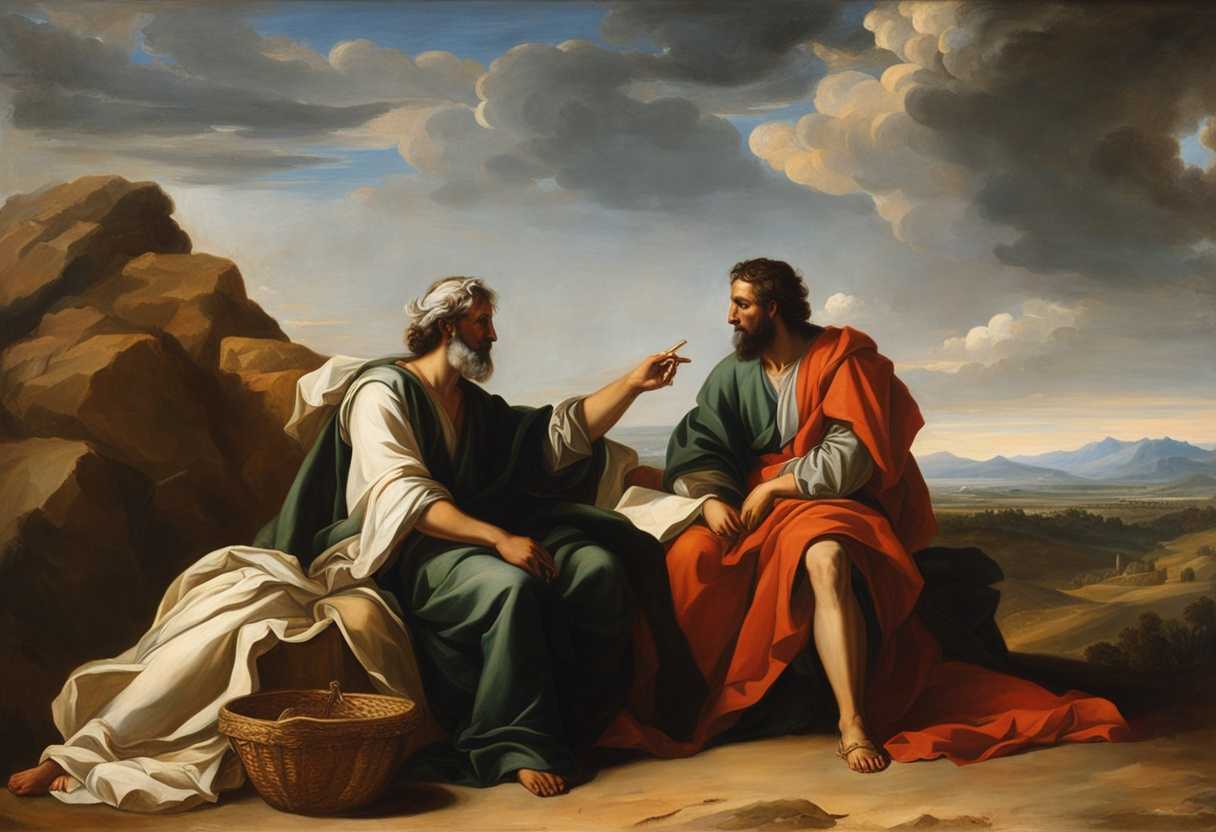
Setting the Scene for Numbers 26:1-4
The scene in Numbers 26:1-4 takes place in the wilderness of Sinai, where the Israelites have been wandering for years after their exodus from Egypt. Moses, the leader chosen by God, is present along with Eleazar the priest, who is Aaron’s son. The Israelites have just experienced a devastating plague as a result of their disobedience and lack of faith in God. In response, God commands Moses and Eleazar to take a census of the entire congregation to determine the number of men who are able to bear arms and go to war.
The atmosphere is somber and reflective as the Israelites come together to be counted. The weight of their past mistakes and the consequences they have faced hang heavy in the air. Despite their hardships, there is a sense of unity and determination among the people as they prepare for the challenges that lie ahead. The vast desert landscape serves as a stark reminder of their journey and the faithfulness of God, who has sustained them through trials and tribulations.
As Moses and Eleazar meticulously count the men, each individual represents a story of struggle, faith, and redemption. The census serves as a reminder of the importance of unity and obedience in the face of adversity. The scene captures a pivotal moment in the Israelites’ journey, where they must confront their past and look towards the future with renewed faith and determination.
What is Numbers 26:1-4 about?
The verse emphasizes the importance of counting the Israelites before entering the Promised Land. The people were organizing and preparing for the journey ahead by taking a census. It shows the significance of each individual within the community and highlights the unity and cohesion required for fulfilling God’s covenant. But why was it necessary to count the Israelites? This act not only helped in determining the size of the community but also served as a reminder of God’s promise to Abraham to make his descendants as numerous as the stars in the sky.
Furthermore, this verse reflects God’s faithfulness and his commitment to fulfill his promises. The act of counting the Israelites symbolizes God’s meticulous care and attention to detail in leading his people towards their destiny. It teaches us the importance of accountability, organization, and orderliness in our own lives as we journey towards our own promised lands. So, as we reflect on this verse, let us also consider how we can draw strength from our own communities and rely on God’s guidance to navigate through our own journeys towards fulfilling our own divine purposes.
Understanding what Numbers 26:1-4 really means
The Book of Numbers, nestled within the Torah, offers a glimpse into the journey of the Israelites through the wilderness. In Numbers 26:1-4, we witness a pivotal moment following a plague that befell the Israelites as a consequence of their disobedience. At this juncture, God instructs Moses and Eleazar to conduct a census of the new generation of Israelites, symbolizing a fresh start and a period of renewal for the community.
The phrase “After the plague” serves as a beacon of hope, signifying the opportunity for a new beginning after a time of judgment and hardship. It underscores the resilience of the Israelites and the importance of moving forward despite past tribulations. The command to “Take a census of the whole Israelite community” emphasizes the significance of community cohesion and accountability. It also signifies a preparation for the future, as the Israelites gear up to enter the Promised Land.
The age specification of “From twenty years old and upward” highlights the age of responsibility and readiness for military service. This criterion underscores the pivotal role of the younger generation in shaping the destiny of the nation. Drawing parallels with Exodus 30:12, which also discusses census-taking and the concept of redemption through a ransom, we see a recurring theme of accountability and the need for personal responsibility. Additionally, Psalm 90:12 urges us to reflect on the brevity of life and the pursuit of wisdom, aligning with the introspective nature of taking a census.
In contemporary times, the act of taking a census can be viewed as a metaphor for self-reflection and communal introspection. It prompts individuals and communities to evaluate their spiritual well-being, assess their progress, and brace themselves for future challenges. The notion of renewal after adversity resonates deeply in today’s world, offering solace and a sense of optimism amidst crises like pandemics or personal setbacks.
Consider a community ravaged by a natural disaster, coming together to survey the damage and strategize for reconstruction. This collective effort mirrors the census-taking in Numbers 26:1-4, symbolizing a shared resolve to rebuild and thrive. Similarly, in a personal context, envision someone emerging victorious from a grave illness, using this period to reevaluate their priorities, set new aspirations, and focus on what truly holds value. This individual journey of reflection and recalibration echoes the essence of the census-taking narrative.
In conclusion, Numbers 26:1-4 imparts valuable lessons on community unity, individual accountability, and readiness for the future. It prompts us to introspect, learn from our past experiences, and march ahead with renewed purpose and optimism. Just as the Israelites embarked on a new chapter post-plague, we too can embrace each day as an opportunity for growth, resilience, and a fresh start.
How can we ensure our spiritual inheritance is preserved?
To ensure our spiritual inheritance is preserved, we can follow the example set in the verse. This involves taking a census of our beliefs and practices, acknowledging the importance of our spiritual heritage, and ensuring that it is passed down to future generations. We can ensure that nothing is lost or forgotten along the way by keeping track of what is valuable and significant to our spiritual identity.
Reflecting on our spiritual lineage and understanding the foundations of our faith allows us to appreciate the journey that has brought us to where we are today. We should take stock of our spiritual community and the collective wisdom that has been handed down to us, just as the verse emphasizes the importance of recognizing and counting the Israelites. This act of remembrance and documentation ensures that our spiritual inheritance remains intact and continues to have a lasting impact on our lives. We must actively engage with and pass on our spiritual inheritance to the next generation. We can ensure that our spiritual legacy is not only preserved but also nurtured and strengthened for the future by teaching, sharing, and living out our beliefs and values. We can embody the essence of the verse and ensure that our spiritual inheritance endures for generations to come.
Application
Embrace renewal and reflection in your journey, like the Israelites in Numbers 26:1-4. Take a moment to count your blessings and assess your connection with the divine. Let’s move beyond the status quo and seek a more profound relationship with the Almighty. Will you accept the call to reexamine your faith and pursue a deeper walk with Him today?

Reverend Michael Johnson is an experienced Church Minister with a profound expertise in spirituality and guidance. With a serene presence and a compassionate heart, he has faithfully served his congregation for over 20 years, leading them on a spiritual journey towards inner peace and enlightenment. Reverend Johnson’s extensive knowledge of religious philosophies and profound understanding of human nature have made him a trusted confidant and mentor to many, as he seamlessly weaves his profound wisdom into life teachings. Reverend Johnson’s calming demeanor and empathetic nature continue to uplift and heal souls, nurturing a sense of unity and tranquility within his community.