
Joshua 3:13 is about the miraculous crossing of the Jordan River by the Israelites as they entered the Promised Land, symbolizing God’s faithfulness, power, and provision in fulfilling His promises to His people.
13 And when the soles of the feet of the priests bearing the ark of the Lord, the Lord of all the earth, shall rest in the waters of the Jordan, the waters of the Jordan shall be cut off from flowing, and the waters coming down from above shall stand in one heap.”
Setting the Scene for Joshua 3:13
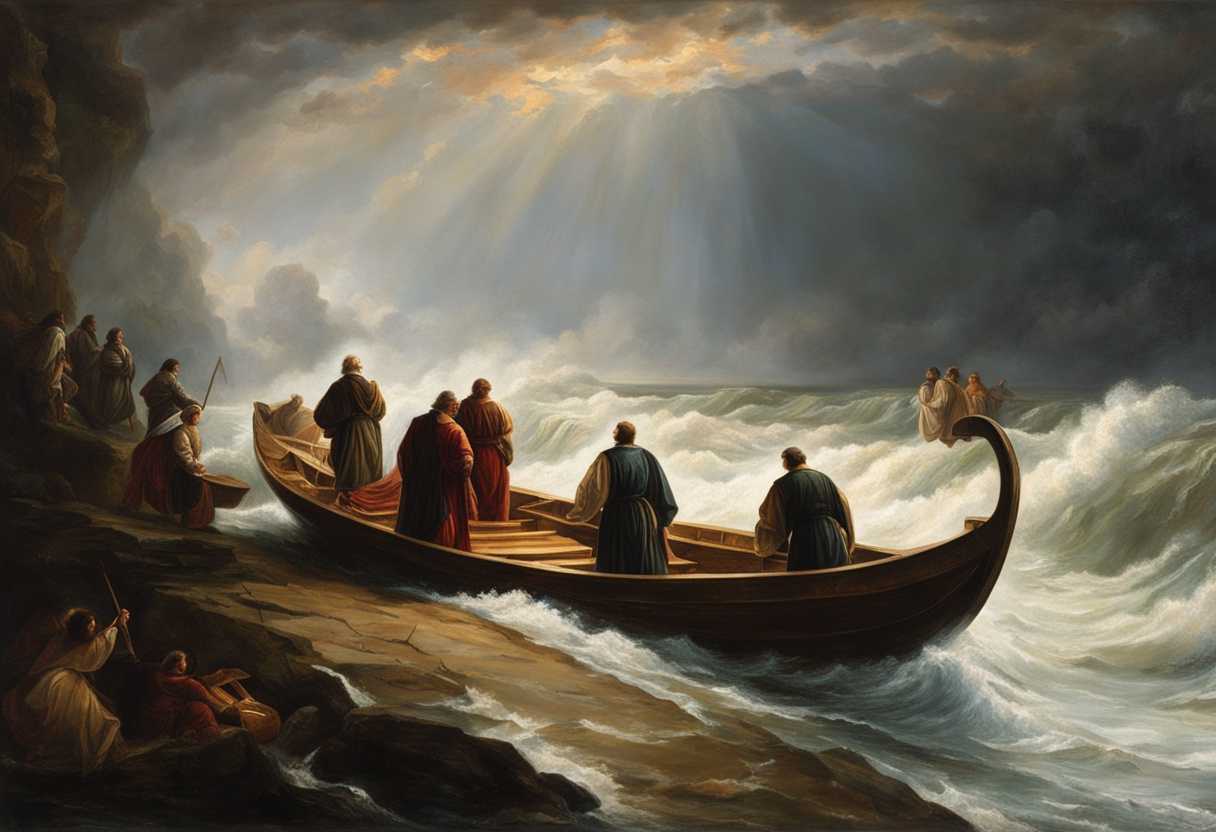
In Joshua chapter 3, we find the Israelites on the brink of entering the Promised Land after wandering in the wilderness for 40 years. The scene is set at the Jordan River, a significant barrier standing between the Israelites and the land God had promised them. Joshua, the newly appointed leader after Moses’ death, stands at the forefront, leading the people in their journey towards this pivotal moment.
The Israelites have been camped by the Jordan River for three days, preparing themselves for what lies ahead. As they gaze across the rushing waters, anticipation and excitement fill the air. The priests carrying the Ark of the Covenant step forward, ready to take the first steps into the river as instructed by Joshua. The people watch in awe as the waters miraculously part, reminiscent of the crossing of the Red Sea years before.
The scene is one of faith, obedience, and the fulfillment of God’s promises. The Israelites, led by Joshua, are about to embark on a new chapter in their history, stepping into the land flowing with milk and honey. The crossing of the Jordan River symbolizes a new beginning, a fresh start for God’s chosen people as they trust in His guidance and provision.
What is Joshua 3:13 about?
Imagine standing at the edge of a mighty river, with your path forward blocked by its rushing waters. Now picture witnessing the waters miraculously parting before your eyes, revealing a dry pathway for you to cross safely to the other side. This verse encapsulates the awe-inspiring power of God and His ability to intervene in the most incredible ways to protect and guide His people. We see this verse as a powerful reminder of God’s faithfulness and provision as we reflect on it. It speaks to the idea that even in the face of seemingly insurmountable obstacles, God is able to make a way where there seems to be no way. It prompts us to trust in His sovereignty and lean on His strength when faced with challenges that seem overwhelming. We are reminded that with God on our side, we can navigate through the difficulties of life with courage and faith, just as the Israelites crossed the Jordan River on dry ground.
So, as we ponder this verse, let it be a source of inspiration and encouragement for us in our own journeys. Let it remind us that God is always with us, ready to part the waters and lead us to safety, even in the midst of turbulent circumstances. Let it instill in us a sense of awe and gratitude for the miraculous ways in which God works in our lives.
Understanding what Joshua 3:13 really means
In Joshua 3:13, we find the Israelites on the brink of crossing the Jordan River into the Promised Land, a pivotal moment in their journey. The Ark of the Covenant, carried by the priests, symbolizes God’s presence and guidance among His people. The phrase “the feet of the priests who carry the ark of the Lord” signifies leadership and faith, as the priests lead the way with the Ark, representing God’s presence leading the Israelites. “The Lord of all the earth” emphasizes God’s sovereignty and power over all creation, reminding us of His supreme authority. The mention of “rest in the waters of the Jordan” hints at a forthcoming miraculous event where God’s power will intervene in the natural order, showcasing His divine authority over creation.
Drawing parallels from related Bible passages like Exodus 14:21-22, where the Red Sea parted to save the Israelites, and Psalm 114:3, which speaks of the Jordan River turning back, we see a recurring theme of God’s power over nature. In Matthew 14:29, Peter walking on water exemplifies faith in Jesus’ power over natural elements, reinforcing the idea of trusting in God’s miraculous interventions. These passages remind us of God’s ability to work wonders in our lives, even in the face of seemingly impossible circumstances.
The message of Joshua 3:13 resonates with us today, urging us to trust in God’s guidance just as the Israelites did on their journey. It encourages believers to have faith in miracles, believing that God can intervene in extraordinary ways in our lives. The concept of leadership and responsibility is also highlighted, emphasizing the importance of leaders guiding others with faith and courage, just as the priests led the Israelites with the Ark.
In a modern context, we can witness the power of faith and leadership in overcoming challenges. Consider a community facing a daunting obstacle, such as a natural disaster or a significant project. Through faith and strong leadership, they can navigate through adversity and emerge victorious. For instance, a struggling church that trusted in God’s provision amidst financial difficulties saw unexpected donations and support pouring in, enabling them to continue their ministry effectively.
In conclusion, Joshua 3:13 underscores the significance of faith, leadership, and God’s power in our lives. It prompts us to reflect on our own challenges and encourages us to trust in God’s presence and guidance, knowing that He is sovereign over all creation and capable of working miracles in our lives. Let us take inspiration from the Israelites’ journey and embrace the faith that moves mountains, knowing that with God, all things are possible.
How can we step out in faith?
We can step out in faith by obeying God’s commands even when they seem impossible or difficult. We too must take that step of obedience even when we do not see the full picture or understand how things will unfold, just as the Israelites had to trust God and step into the Jordan River before He miraculously parted the waters. It requires a willingness to trust in God’s power and promises, knowing that He will be faithful to guide and provide for us as we take that leap of faith.
When we step out in faith, we demonstrate our trust in God’s sovereignty and ability to work miracles in our lives. It requires a surrender of control and a reliance on God’s wisdom and provision rather than our own understanding. We open ourselves up to experiencing the overflowing blessings and fulfillment that come from walking in obedience to God’s will by taking that step of faith.
Stepping out in faith also involves courage and a willingness to break away from our comfort zones. It requires us to rely on God’s strength and promises, knowing that He will be with us every step of the way. We can witness the amazing ways in which God will move mountains and work wonders in our lives and the lives of those around us as we trust in His guidance and follow where He leads.
Application
Just as the priests in the Bible had to step into the rushing waters before they could part, we too must take bold steps in our lives, trusting in something greater than ourselves. Let us not be held back by fear or hesitation, but instead, let’s embrace the challenges ahead with courage and faith. Just like in our work and family lives, sometimes we must take that leap of faith to see the miracles awaiting us on the other side. Will you dare to trust in God’s plan and take that first step today, even when the path seems unknown?

Reverend Michael Johnson is an experienced Church Minister with a profound expertise in spirituality and guidance. With a serene presence and a compassionate heart, he has faithfully served his congregation for over 20 years, leading them on a spiritual journey towards inner peace and enlightenment. Reverend Johnson’s extensive knowledge of religious philosophies and profound understanding of human nature have made him a trusted confidant and mentor to many, as he seamlessly weaves his profound wisdom into life teachings. Reverend Johnson’s calming demeanor and empathetic nature continue to uplift and heal souls, nurturing a sense of unity and tranquility within his community.