
Exodus 12:43 is about the specific instructions given by God to Moses regarding who is permitted to partake in the Passover meal, emphasizing the importance of belonging to the covenant community and being obedient to God’s commands.
43 And the Lord said to Moses and Aaron, “This is the statute of the Passover: no foreigner shall eat of it,
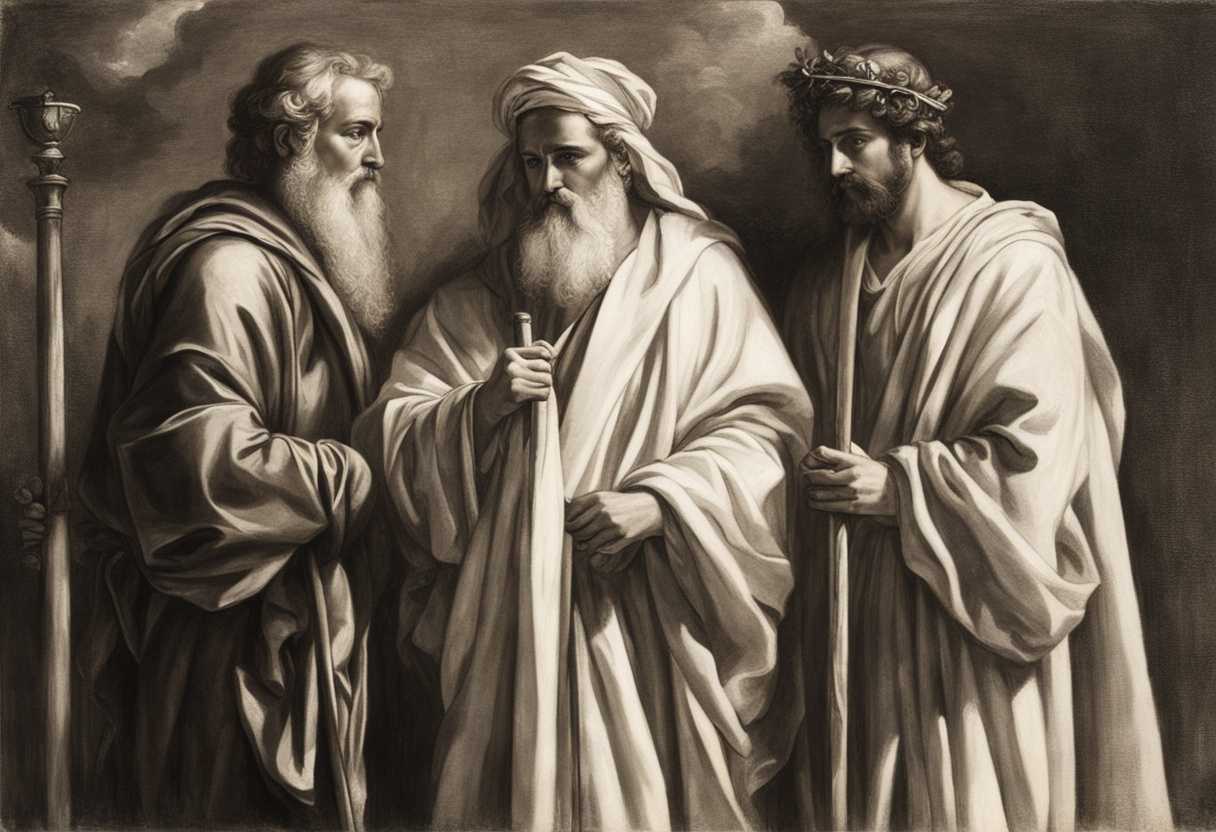
Setting the Scene for Exodus 12:43
In Exodus chapter 12, we find the scene set in the land of Egypt during the time of the Israelites’ captivity. The Israelites had been enslaved by the Egyptians for many years, enduring harsh labor and oppression. However, the time had come for their deliverance as God had sent Moses to lead them out of Egypt.
In this particular verse, we see Moses and Aaron gathered with the Israelites in their homes on the eve of their departure from Egypt. They had just observed the Passover meal as instructed by God, with the blood of the lamb marking their doorposts to protect them from the final plague – the death of the firstborn. The Israelites were filled with anticipation and fear as they awaited the fulfillment of God’s promise to set them free from bondage.
The atmosphere was tense yet hopeful as families huddled together, recounting the miraculous signs and wonders they had witnessed. The sound of prayers and weeping could be heard throughout the Israelite community, as they prepared to embark on a journey towards the promised land. Amidst the uncertainty and excitement, there was a sense of unity and faith among the people, trusting in God’s plan for their deliverance.
What is Exodus 12:43 about?
Oh, Exodus 12:43 sheds light on a crucial aspect of the Passover observance – who is eligible to partake in this sacred ritual. The verse highlights that certain requirements must be met for one to be able to participate in the Passover meal. It specifies that no foreigner can partake unless they are circumcised. This underscores the notion that the Passover is a sacred tradition reserved for those who are fully committed to God’s covenant. These instructions emphasize the importance of spiritual commitment and adherence to the laws set forth by God. It prompts us to reflect on the idea of being part of a community bonded by faith and dedication to the divine. These guidelines challenge us to ponder the depth of our connection to our faith and the level of devotion we uphold. We demonstrate our commitment to our beliefs and practices in our own lives. How do we ensure that we are actively engaging with the rituals and traditions that hold significance for us?
Understanding what Exodus 12:43 really means
In Exodus 12:43, we encounter a crucial moment in the narrative of the Passover, where God instructs Moses and Aaron regarding the observance of this significant event in Israel’s history. The Passover stands as a monumental event symbolizing the liberation of the Israelites from slavery in Egypt, showcasing God’s faithfulness and deliverance. To truly grasp the weight of these instructions, it is essential to delve into the historical and cultural context surrounding the Passover, allowing us to appreciate the depth of its significance.
“The Lord said to Moses and Aaron” serves as a powerful reminder of the divine origin of these instructions, highlighting their authority and importance. The term “ordinance” used in the verse underscores the solemn and sacred nature of the Passover observance, portraying it as a formal decree or law to be followed diligently. The restriction that “no foreigner shall eat of it” emphasizes the exclusivity of the covenant relationship between God and the Israelites, showcasing the chosen status of God’s people for a specific purpose.
Further exploration of related biblical passages such as Exodus 12:48-49, 1 Corinthians 5:7-8, and Ephesians 2:12-13 sheds light on the continuity and fulfillment found in Christ. Paul’s reference to Christ as our Passover lamb in 1 Corinthians draws a parallel between the Old Testament Passover and the ultimate sacrifice of Jesus, bringing deliverance from sin. Ephesians 2:12-13 beautifully illustrates how through Christ’s sacrifice, Gentiles are no longer excluded but brought near, showcasing the inclusivity of the New Covenant.
The relevance of these ancient instructions extends to our lives today as Christians. The concept of being set apart for a special purpose resonates with believers, calling us to live in a manner that reflects our relationship with God. While the Old Testament Passover highlighted exclusivity, the New Covenant emphasizes inclusivity, inviting all to partake in the salvation offered through Jesus Christ.
Consider a family tradition passed down through generations, much like the Passover, which serves not only as a meal but as a reminder of identity and values. Similarly, our faith practices and rituals today remind us of our identity in Christ and our commitment to living according to His teachings, fostering a sense of community and belonging.
In conclusion, Exodus 12:43 prompts us to reflect on the importance of obedience to God’s commands and the significance of being part of His covenant community. Though the practices may vary, the foundational principles of faithfulness, identity, and community remain timeless and relevant for believers today, guiding us in our walk with God.
How can we remember and honor God’s deliverance?
We can remember and honor God’s deliverance by observing and celebrating the significant events and milestones in the Bible that depict His faithfulness and power in saving His people. Participating in traditions and rituals that commemorate these events strengthens our connection to God and His mighty deeds. One way to do this is by observing Passover, which serves as a powerful reminder of God’s deliverance of the Israelites from slavery in Egypt.
Additionally, we can honor God’s deliverance by sharing our testimonies and personal experiences of His faithfulness with others. We not only glorify God but also encourage and inspire others to trust in His provision and deliverance by recounting the ways in which He has saved us from various challenges and trials. Through testimonies, we can spread hope and faith in the goodness and faithfulness of God, reminding ourselves and others of His power to deliver us from any situation.
Application
Let’s be like skilled employees, following instructions to excel at work. Just as family members listen and support each other, let’s heed the Lord’s commands for our spiritual growth. Are we truly committed to walking in obedience to God’s will in our daily lives?

Reverend Michael Johnson is an experienced Church Minister with a profound expertise in spirituality and guidance. With a serene presence and a compassionate heart, he has faithfully served his congregation for over 20 years, leading them on a spiritual journey towards inner peace and enlightenment. Reverend Johnson’s extensive knowledge of religious philosophies and profound understanding of human nature have made him a trusted confidant and mentor to many, as he seamlessly weaves his profound wisdom into life teachings. Reverend Johnson’s calming demeanor and empathetic nature continue to uplift and heal souls, nurturing a sense of unity and tranquility within his community.