
Jeremiah 8:4 is about the consequences of the Israelites’ refusal to return to God and their persistent adherence to their own ways, leading to calamity and downfall.
4 “You shall say to them, Thus says the Lord: When men fall, do they not rise again? If one turns away, does he not return?”
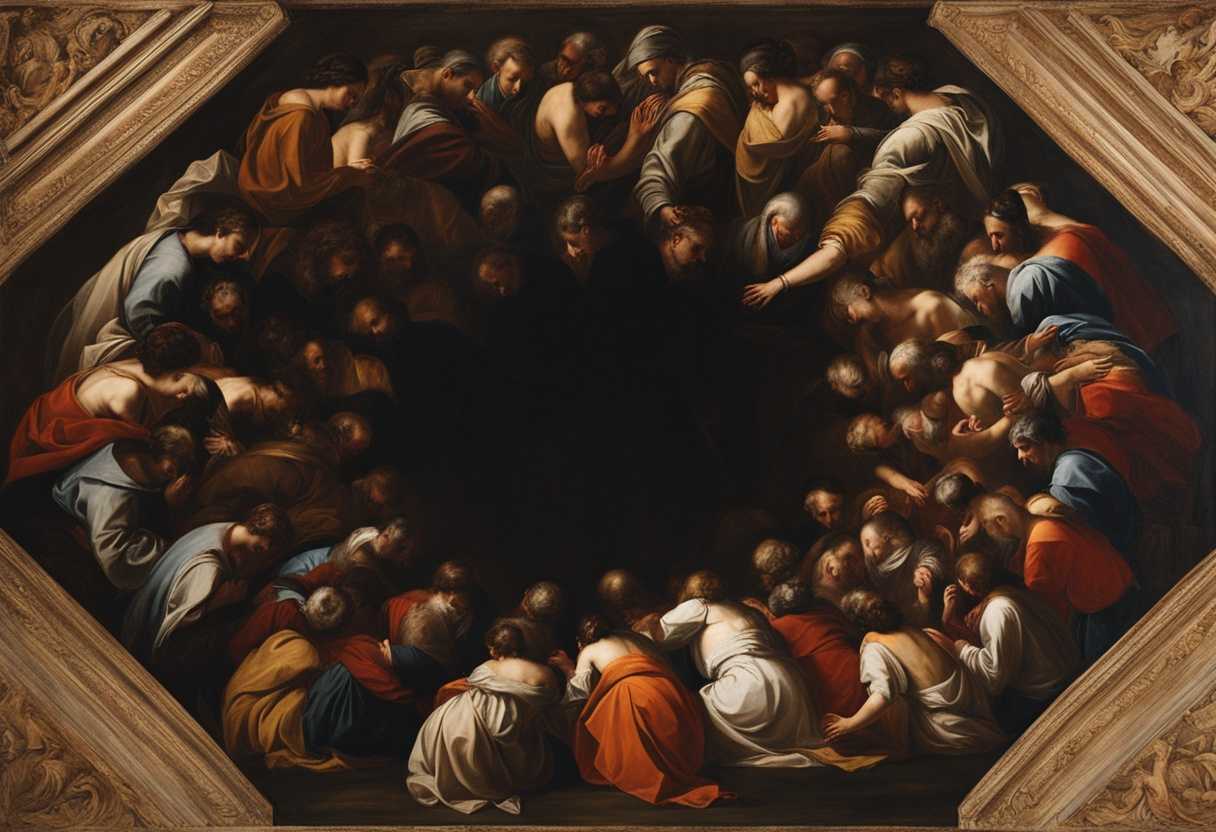
Setting the Scene for Jeremiah 8:4
In Jeremiah chapter 8, the prophet Jeremiah is standing in the streets of Jerusalem, surrounded by a group of people including priests, scribes, and ordinary citizens. The scene is set in the bustling city, with the sounds of vendors selling their wares, children playing, and the occasional cry of a beggar in the background. The sun is high in the sky, casting a warm glow over the ancient stone buildings and dusty streets.
Jeremiah, with a heavy heart, is delivering a message from the Lord to the people of Jerusalem. He is warning them of the impending destruction and judgment that will come upon them if they do not turn from their wicked ways and return to God. The people around him are divided in their reactions – some are listening intently, while others are scoffing and mocking Jeremiah’s words.
As Jeremiah continues to speak, his voice rises above the noise of the city, calling the people to repentance and urging them to seek the Lord while He may be found. The weight of his message hangs heavy in the air, as the fate of Jerusalem and its inhabitants hangs in the balance.
What is Jeremiah 8:4 about?
This verse from the Book of Jeremiah can be interpreted as a gentle reminder of the resilience and grace that God provides us with. Just like when we stumble or fall in our daily lives, we don’t stay down, but we get back up and keep moving forward. God is always there to lift us up, guide us, and help us continue on our journey, even when we face challenges, setbacks, or sin.
Reflecting on this verse, think about the times in your life when you may have fallen or made mistakes. Did you stay down or did you find the strength to rise again? This verse reminds us that with God’s love and support, we have the spiritual strength to overcome any obstacles we face, just as we have the ability to get back up physically after a fall. It is a message of hope, encouragement, and a reassurance of God’s steadfast presence in our lives, even in the midst of our failures or challenges.
Understanding what Jeremiah 8:4 really means
In the Book of Jeremiah, we encounter a poignant message delivered by the prophet known for his deep emotions and unwavering commitment to God’s call. Chapter 8 delves into the repercussions of Judah’s continuous transgressions and their reluctance to seek repentance. Amidst this backdrop, we come across a thought-provoking question in Jeremiah 8:4, “When people fall down, do they not get up?” This query strikes at the core of human nature, highlighting our innate resilience and the instinct to rise after a stumble. It prompts us to reflect on the natural inclination towards restoration and the pursuit of a better path.
Similarly, the subsequent phrase, “When someone turns away, do they not return?” reinforces the notion of repentance and the possibility of reconciliation. It underscores the universal theme of seeking redemption after straying from the right course. These phrases serve as a poignant reminder that despite our failures and shortcomings, there is always an opportunity for renewal and restoration. They echo the timeless truth that it is never too late to seek forgiveness and embark on a journey towards righteousness.
Drawing parallels from other biblical passages, such as Proverbs 24:16 and the Parable of the Prodigal Son in Luke 15:11-32, we find further affirmation of the themes presented in Jeremiah 8:4. The Proverbs verse emphasizes the resilience of the righteous, highlighting their ability to rise again even after repeated falls. On the other hand, the parable of the Prodigal Son beautifully illustrates the concept of returning to the fold after straying, symbolizing repentance and the boundless mercy of God.
The relevance of Jeremiah 8:4 extends beyond its historical context, resonating with individuals in contemporary society. In a world fraught with challenges and setbacks, the verse offers a message of hope and renewal. Consider a person facing a significant failure; initially despondent, they can, with perseverance and introspection, rise from the ashes, learn from their mistakes, and chart a new course. This narrative mirrors the essence of the verse, urging resilience and the pursuit of a path towards redemption.
In conclusion, Jeremiah 8:4 stands as a poignant reminder of the human experience of failure and the prospect of redemption. It serves as a beacon of hope, urging individuals not to linger in their fallen state but to rise, repent, and return to the right path. Together with related biblical passages, this verse offers solace and guidance, emphasizing that while failure may be a part of our journey, it does not define our final destination.
How can we avoid repeating the same mistakes?
To avoid repeating the same mistakes, it is crucial to heed the warnings and lessons from past experiences. Reflecting on the consequences of previous wrong choices can help us make better decisions in the future. We can break the cycle of repeating harmful actions by learning from our mistakes and the mistakes of others.
Additionally, seeking guidance and wisdom from God or trusted sources can provide insights that can steer us away from making the same mistakes. We can make choices that align with what is right and just by turning to a higher power for direction and following moral principles. Through faith and guidance, we can avoid falling into the same pitfalls that have tripped us up before.
Furthermore, self-awareness and accountability are key in preventing the repetition of mistakes. Taking responsibility for our actions and behaviors requires introspection and a willingness to change. We can break free from destructive patterns and make more positive choices for our future by acknowledging our shortcomings and actively working towards personal growth and improvement.
Application
Are you paving the road to your spiritual home with intention and purpose, or are you letting weeds of complacency and neglect take over? Let’s pause and reassess our journey towards spiritual growth. Just as we nurture our careers and relationships, let’s also prioritize tending to our relationship with our Creator. Together, let’s breathe new life into our spiritual garden and watch it flourish. Are you ready to cultivate a deeper connection with the divine path?

Reverend Michael Johnson is an experienced Church Minister with a profound expertise in spirituality and guidance. With a serene presence and a compassionate heart, he has faithfully served his congregation for over 20 years, leading them on a spiritual journey towards inner peace and enlightenment. Reverend Johnson’s extensive knowledge of religious philosophies and profound understanding of human nature have made him a trusted confidant and mentor to many, as he seamlessly weaves his profound wisdom into life teachings. Reverend Johnson’s calming demeanor and empathetic nature continue to uplift and heal souls, nurturing a sense of unity and tranquility within his community.