
Author: Reverend Michael Johnson
-

What the Bible Says About the Appearance of Evil: Understanding Its Meaning
The phrase “appearance of evil” comes from 1 Thessalonians 5:22, which instructs believers to “abstain from all appearance of evil.” This means that Christians should avoid not only sinful actions but also any behaviors that could give the impression of wrongdoing, thereby upholding their integrity and witness. Scripture 21 but test everything; hold fast what…
-

What the Bible Says About Seemly Conduct
The term “seemly” in the Bible refers to being suitable or appropriate in behavior or appearance, often in the context of maintaining decorum and respectability. It conveys the idea of actions and attitudes that align with moral and social propriety, exemplified in passages such as 1 Timothy 3:2, which speaks of the qualities expected of…
-

What the Bible Says About the Meaning of “Hoe”
In the Bible, the term “hoe” generally refers to a farming tool used for digging or tilling soil, symbolizing labor and cultivation. However, it can also reflect themes of spiritual work and the need for diligence in one’s faith and actions. Scripture 23 In that day every place where there used to be a thousand…
-

What the Bible Says About the Definition of Wrested
In the Bible, “wrested” refers to the act of twisting or distorting the meaning of Scripture or truth, often to make it conform to one’s own desires or interpretations. This term is used to caution against misrepresenting God’s word for personal gain or false teachings, as seen in verses like 2 Peter 3:16. Scripture 15…
-
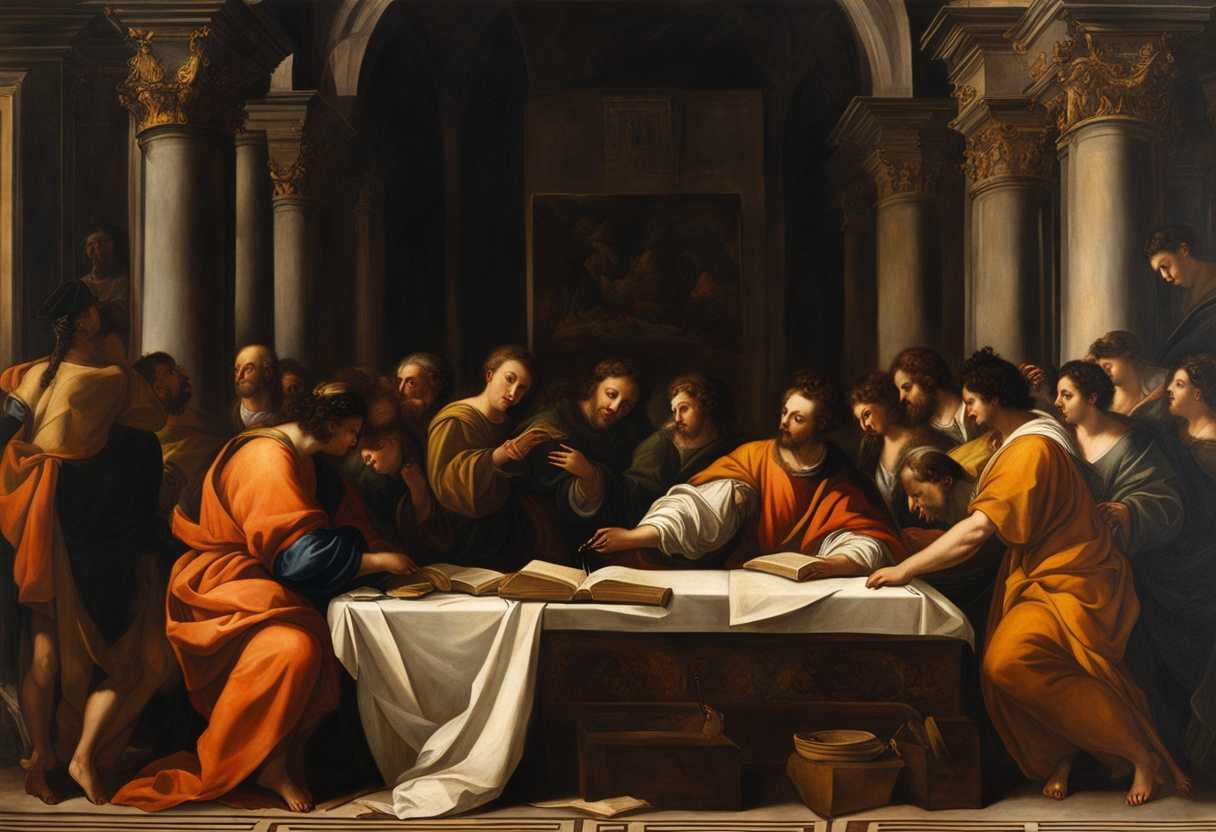
What the Bible Says About Finding the Meaning of Words
Understanding biblical word meanings involves examining the original languages of the Scriptures—primarily Hebrew, Aramaic, and Greek—and considering the cultural, historical, and literary contexts in which the texts were written. This study can illuminate the intended messages and theological insights of the Bible, enhancing interpretation and application. Scripture 1 My son, if you receive my words…
-

What the Bible Says About the Meaning of Tearing Robes
In the Bible, tearing of robes is a sign of deep grief, mourning, or distress, often expressed during moments of loss or outrage. This act symbolizes the emotional turmoil and the need to outwardly demonstrate the intensity of one’s feelings, as seen in various instances throughout both the Old and New Testaments. Scripture 29 When…
-

What the Bible Says About Pursuit: A Definition and Exploration
In the Bible, “pursuit” often refers to the act of seeking or chasing after something, which can be both positive and negative. It frequently implies the earnest striving for righteousness, wisdom, or God’s presence (e.g., Psalm 34:14) but can also represent a relentless chase of one’s desires or enemies (e.g., 1 Samuel 30:8). Scripture 14…
-

What the Bible Says About the Meaning of the Middle Watch
The term “middle watch” in the Bible refers to a specific time period of night, typically the second guard shift from around midnight to dawn. It is mentioned in contexts relating to vigilance and preparedness, as seen in Luke 12:38, where it symbolizes a time when the faithful should be alert for the Lord’s return.…
-

What the Bible Says About the Meaning of the Second Month
In the Bible, the second month is referred to as “Iyar” in the Hebrew calendar. It is significant for being the month in which the Israelites journeyed from Egypt and is associated with various events, including the counting of the Omer leading up to Shavuot (Pentecost). Scripture 11 In the six hundredth year of Noah’s…
-

What the Bible Says: Understanding 100 Key Meanings Through Strong’s Concordance
Strong’s Concordance is a reference tool that provides definitions and contexts for words in the Bible by assigning a unique number to each original Hebrew and Greek word, allowing for in-depth study of scripture. It helps readers explore the meanings and nuances of biblical terms to enhance their understanding of the text. Scripture 1 In…