
Author: Reverend Michael Johnson
-

What the Bible Says About the Deuterocanonical Books
Deuterocanonical books are texts included in the Roman Catholic and Eastern Orthodox Old Testament but considered apocryphal by most Protestant denominations. They are part of the canon of scripture for these traditions and include books such as Tobit, Judith, and Maccabees, emphasizing themes of faith, morality, and God’s covenant with His people. Scripture 1 The…
-

What the Bible Says About Presbytery: A Definition and Understanding
In the Bible, “presbytery” refers to a body of elders or leaders within the church, responsible for spiritual oversight and governance. It is derived from the Greek word “presbyteros,” meaning elder, and highlights the role of mature believers in guiding the church community (1 Timothy 4:14). Scripture 14 Do not neglect the gift you have,…
-

What the Bible Says About the Definition of Worship
In the Bible, worship is the reverent adoration and honor given to God, often expressed through prayer, praise, and sacrifices. It encompasses both individual and communal acts of devotion, reflecting a deep relationship with the Creator and obedience to His will. Scripture 23 But the hour is coming, and is now here, when the true…
-

What the Bible Establishes: Understanding Its Meaning
In the Bible, “established” often refers to something that has been firmly set up or confirmed by God, indicating stability, permanence, and divine authority. It can pertain to covenants, kingdoms, or individual lives that are grounded in faith and obedience to God’s will. Scripture 18 But I will establish my covenant with you, and you…
-

What the Bible Says About Pioneers: A Definition and Exploration
In a biblical context, a pioneer refers to someone who forges a new path or leads the way in faith and service, often taking risks to establish God’s kingdom. This term can be associated with figures like Abraham, who ventured into unknown lands in obedience to God’s calling, exemplifying leadership and courage in faith. Scripture…
-
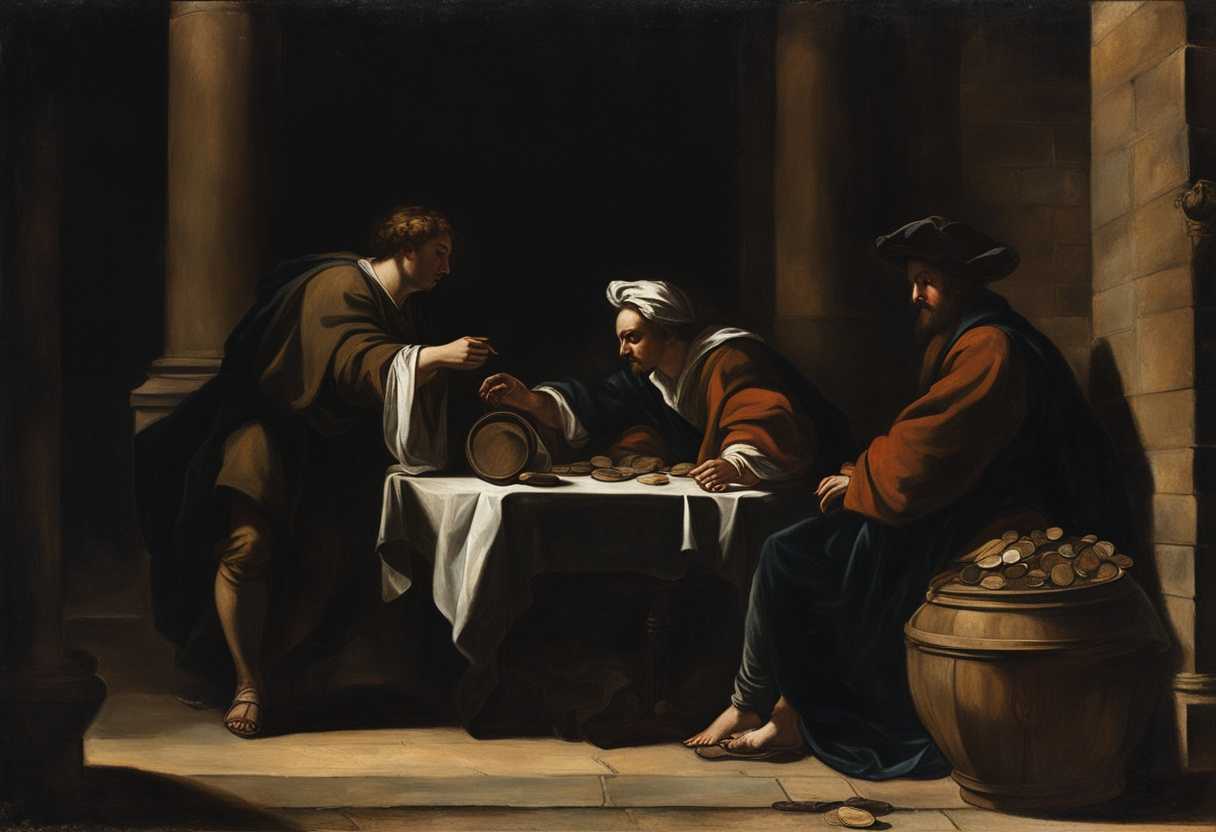
What the Bible Says About Defraud: Understanding Its Meaning and Implications
In the Bible, to defraud means to cheat or wrong someone, particularly in matters of finance or justice, violating the commandment to love and respect one’s neighbor. It is often associated with dishonest gain and is admonished in passages like 1 Thessalonians 4:6, which warns not to take advantage of or defraud a brother in…
-

What the Bible Says About the Meaning of Jewry
In the Bible, “Jewry” refers to the collective group of Jewish people or the Jewish community, particularly in relation to their cultural, religious, and ethnic identity as descendants of the ancient Israelites. It often signifies a sense of belonging to the covenant established between God and the people of Israel. Scripture 1 Now the Lord…
-

What the Bible Says About “All is Vanity”
The phrase “All is vanity” is derived from the book of Ecclesiastes (Ecclesiastes 1:2), where it reflects the idea that earthly pursuits and achievements are ultimately meaningless and lacking lasting value. It emphasizes the transient nature of life and the futility of seeking fulfillment in worldly pleasures without a focus on the eternal. Scripture 2…
-

What the Bible Says About Dead Works: Understanding Their Meaning
In the Bible, “dead works” refers to actions or deeds that are devoid of spiritual life and are not motivated by faith in God, often associated with attempts to earn salvation through human efforts rather than through grace (Hebrews 6:1). These works are seen as ineffective for salvation and are contrasted with the living faith…
-

What the Bible Says About Novice: Understanding Its Definition and Context
In the Bible, a novice refers to a person who is new or inexperienced in their faith or spiritual practice. Specifically, 1 Timothy 3:6 warns against appointing a novice to a position of church leadership, as their lack of experience may lead to pride and fall into temptation. Scripture 1 The saying is trustworthy: If…