
Author: Reverend Michael Johnson
-

What the Bible Says About the Pride of Jacob
Jacob’s pride in the Bible is often associated with his cunning and determination to secure blessings, such as his acquisition of Esau’s birthright and his deception of Isaac for the blessing. This pride ultimately leads to family conflict and challenges that shape his spiritual journey and character development. Scripture 6 For you have rejected your…
-

What the Bible Says About the Meaning of the 70 Weeks
The “70 weeks” mentioned in Daniel 9:24-27 refers to a prophetic period during which God would accomplish significant events for His people, including the end of sin and the anointing of the “most holy.” This prophecy is commonly understood to represent a timeline leading up to the coming of the Messiah and the ultimate restoration…
-

What the Bible Says: Understanding the English Standard Version Meaning
The English Standard Version (ESV) Bible is a modern translation of the Scriptures that aims to provide a word-for-word accuracy while maintaining readability. It is widely regarded for its fidelity to the original texts of the Bible and is used for both personal study and corporate worship. Scripture 16 All Scripture is breathed out by…
-

What the Bible Says About Simony: Understanding Its Meaning and Implications
Simony refers to the act of buying or selling spiritual things, named after Simon Magus, who attempted to purchase the power of the Holy Spirit in Acts 8:18-20. In the biblical context, it is condemned as a serious offense against the sanctity of God’s gifts and the integrity of the church. Scripture 9 But there…
-

What the Bible Says About the Sins of Peor
The “sins of Peor” refer to the idolatrous practices and sexual immorality that the Israelites engaged in while worshiping the Moabite god Baal of Peor, as described in Numbers 25:1-3 and later referenced in Hosea 9:10. This event led to severe consequences for Israel, highlighting the dangers of unfaithfulness to God and the worship of…
-

What the Bible Says About Venerating the Sacred
In the Bible, veneration refers to the deep respect and reverence shown towards God, His commandments, and holy figures, such as saints. It implies honoring and acknowledging the sacredness of these subjects, often expressed through worship, prayer, and acts of devotion. Scripture 3 “You shall have no other gods before me. 4 “You shall not…
-

What the Bible Says About the Meaning of Kohen
In the Bible, “Kohen” refers to a priest of the Jewish people, specifically a descendant of Aaron, the brother of Moses. Kohanim (plural of Kohen) were charged with performing sacred duties in the Tabernacle and later in the Temple, including sacrifices and blessings. Scripture 1 “Then bring near to you Aaron your brother, and his…
-

What the Bible Says About Universalism: Understanding Its Meaning
In the context of the Bible, Universalism refers to the belief that salvation is available to all people, emphasizing God’s love and mercy that extends beyond the chosen people of Israel to include Gentiles and all nations. This concept is often supported by verses such as John 3:16, which states that “God so loved the…
-

What the Bible Says About the Unjust Judge: Understanding Its Meaning
The unjust judge, described in Luke 18:1-8, represents a figure who does not fear God or care about people, yet he ultimately grants justice to a persistent widow. This parable illustrates the importance of perseverance in prayer and contrasts God’s nature as a just and loving judge who hears the cries of His people. Scripture…
-
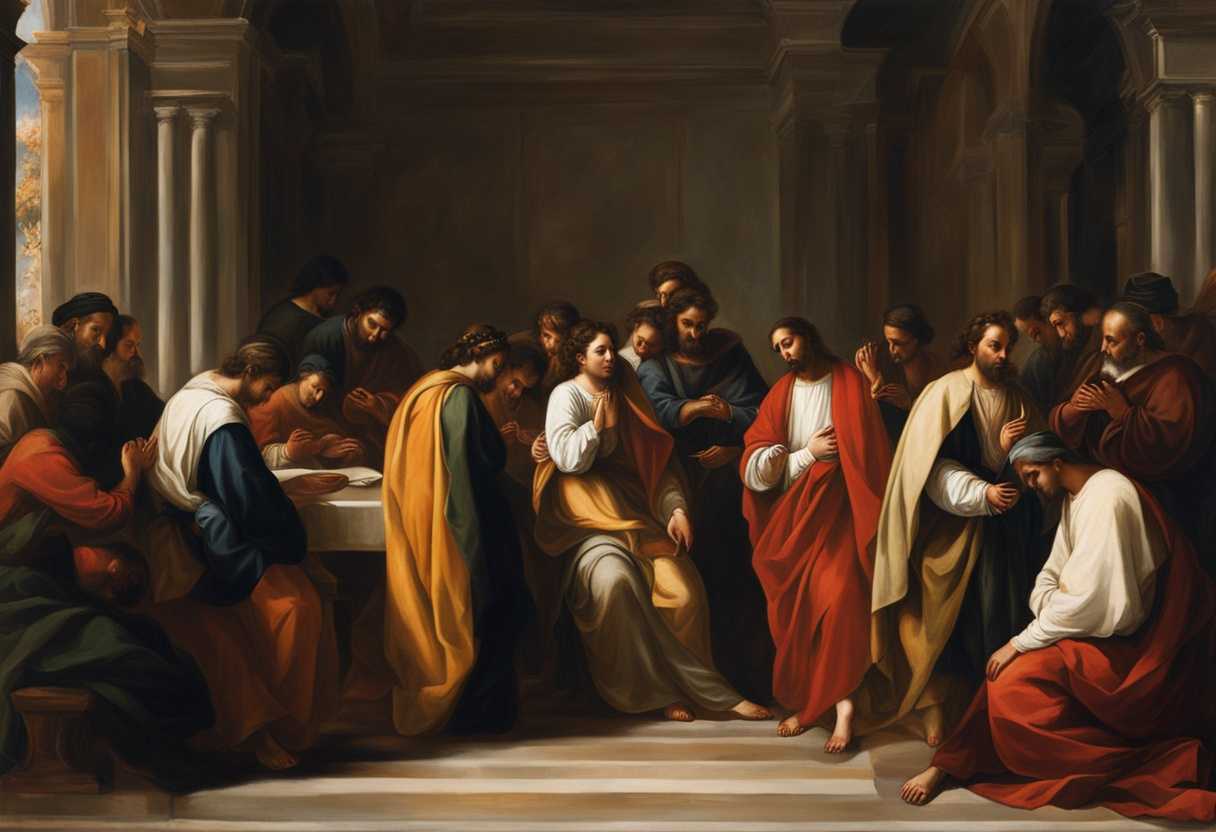
What the Bible Says About Not Calling Yourself a Rabbi
In the Bible, specifically in Matthew 23:8-10, “do not call yourself a rabbi” emphasizes humility and the importance of recognizing that all followers of Christ are equals under God, discouraging the elevation of certain individuals through titles. It teaches that God is the ultimate authority and guide in spiritual matters, rather than human leaders. Scripture…