
Author: Reverend Michael Johnson
-

What the Bible Says About the Meaning of Precept
In the Bible, a “precept” refers to a command or instruction that is meant to guide behavior and conduct, often associated with divine laws or statutes given by God. It emphasizes the importance of following God’s teachings to live righteously, as seen in passages like Psalm 119:4. Scripture 7 The law of the Lord is…
-

What the Bible Says About Not Committing Adultery: Understanding Its Meaning
In the Bible, “not commit adultery” refers to the prohibition against engaging in sexual relations with someone who is married to another person, as outlined in the Seventh Commandment (Exodus 20:14). This command emphasizes the sanctity of marriage and the importance of faithfulness within that covenant relationship. Scripture 14 “You shall not commit adultery.” 15…
-

What the Bible Says: Understanding the Imperative Definition
In the Bible, an imperative is often understood as a command or directive given by God, typically found in the form of laws or instructions for moral and ethical living, such as the commandments in Exodus 20. These imperatives guide believers in their conduct and relationship with God and others. Scripture 26 Then God said,…
-

What the Bible Says About New Beginnings
In the Bible, new beginnings are often associated with significant events of transformation and renewal, such as the creation in Genesis (Genesis 1:1-3), the Israelites’ exodus from Egypt (Exodus 12:31-42), and the resurrection of Jesus (Matthew 28:1-10). These moments symbolize God’s ability to bring hope, restoration, and fresh starts to His people. Scripture 1 In…
-

What the Bible Says About “In Those Days”
“In those days” in the Bible often refers to a specific time period in the past when significant events occurred or divine actions were taken. It serves to contextualize narratives and prophecies, indicating a time of specific historical or spiritual significance. Scripture 5 The Lord saw that the wickedness of man was great in the…
-

What the Bible Says About the Lampstand: Symbolism and Meaning
In the Bible, a lampstand symbolizes God’s presence and divine illumination, often representing the church or the people of God. Specifically, in Revelation, the seven lampstands represent the seven churches, highlighting their role as bearers of light in a dark world (Revelation 1:20). Scripture 31 “You shall make a lampstand of pure gold. The lampstand…
-

What the Bible Says About Hemorrhoids: A Biblical Perspective
In the Bible, hemorrhoids are mentioned in the context of divine judgment. Specifically, in 1 Samuel 5:6-12, the Philistines suffer from tumors, often interpreted as hemorrhoids, as a consequence of capturing the Ark of the Covenant. Scripture 27 The Lord will strike you with the boils of Egypt, and with tumors and scabs and itch,…
-
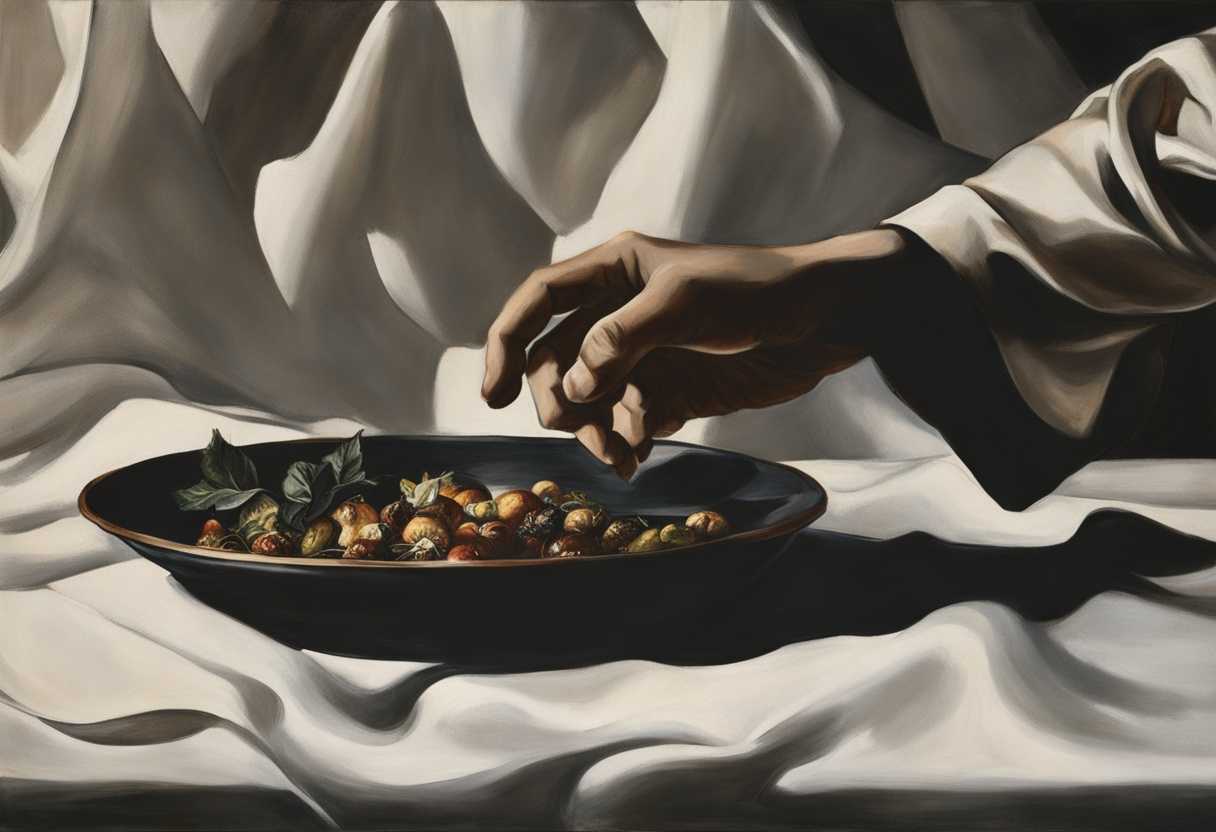
What the Bible Says About Devouring: Meaning and Interpretation
In the Bible, “devour” typically refers to consuming something eagerly or destructively, often associated with hunger or intense desire. It can signify both physical consumption, as in eating, and metaphorical destruction, as in the way sin or evil can consume a person or community, as seen in 1 Peter 5:8, which warns about the devil…
-
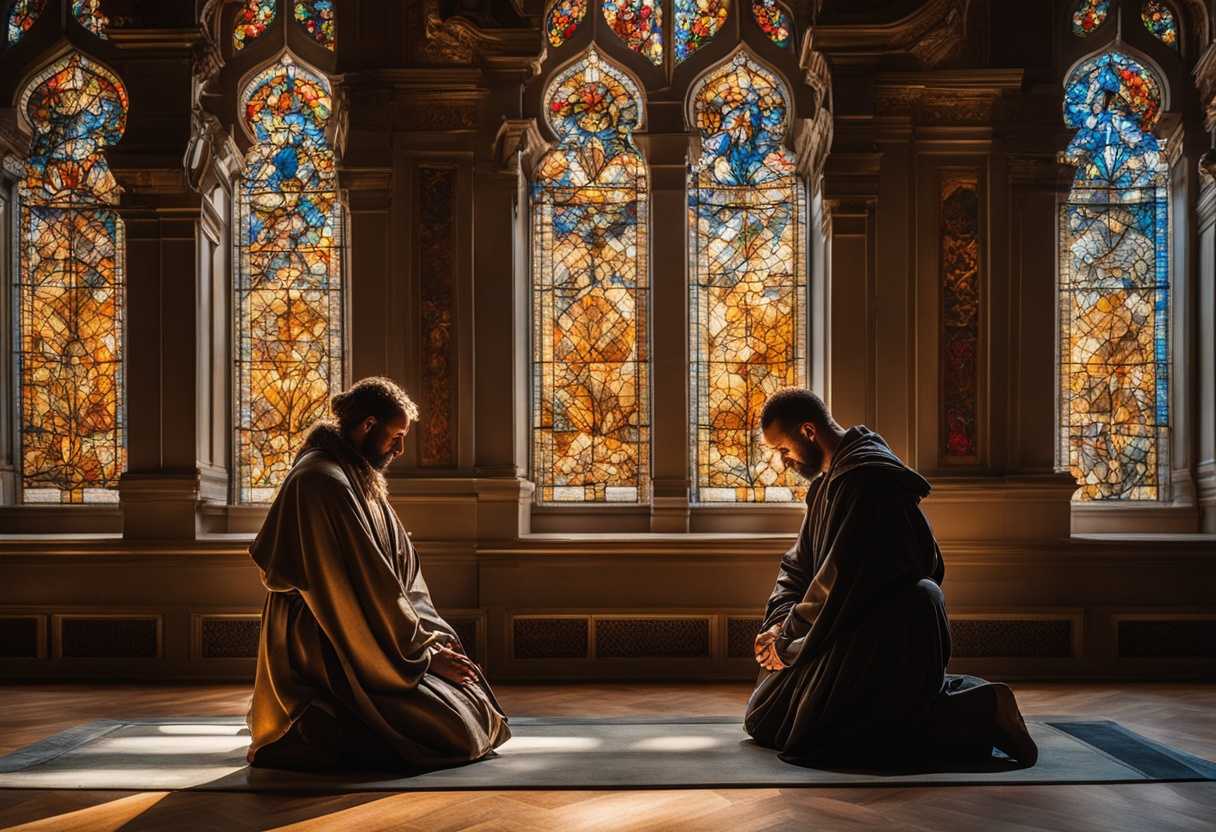
What the Bible Says About Kneeling
In the Bible, “knelt” signifies an act of humility, reverence, or supplication before God or authority figures, often associated with prayer or worship. It symbolizes a posture of submission and surrender to divine will, as seen in various passages (e.g., Philippians 2:10). Scripture 26 The man bowed his head and worshiped the Lord. 27 saying,…
-

What the Bible Says About the Meaning of Doors
In the Bible, a “door” often symbolizes an opportunity, entry, or barrier to spiritual experience and salvation, as seen in passages like Revelation 3:20, where Jesus invites believers to open the door of their hearts to Him. Additionally, it can represent judgment or separation, as in Matthew 25:10, where the door signifies the division between…