
Author: Reverend Michael Johnson
-

What the Bible Says About Gideon: Meaning and Significance
In the Bible, Gideon is a judge of Israel known for his faith and leadership in delivering the Israelites from Midianite oppression, primarily recounted in the Book of Judges (Chapters 6-8). The name Gideon means “hewer” or “one who cuts trees,” symbolizing strength and the ability to bring down oppressors. Scripture 11 Now the angel…
-

What the Bible Says About Beulah: Understanding Its Meaning
In the Bible, “Beulah” means “married” or “to be married.” It is often associated with the promise of restoration and joy, particularly in Isaiah 62:4, where God declares that Jerusalem will no longer be called “Forsaken” but “Beulah,” indicating a time of renewed relationship and belonging. Scripture 1 For Zion’s sake I will not keep…
-

What the Bible Says About “Strove”
In the Bible, “strove” generally means to struggle, contend, or fight, often referring to conflicts or disputes. It appears in various contexts, indicating both physical and metaphorical struggles, such as in Genesis 26:22, where it describes the conflicts over wells between Isaac’s servants and the Philistines. Scripture 24 And Jacob was left alone. And a…
-

What the Bible Says About Revelry
In the Bible, revelry refers to excessive partying, indulgence, or boisterous merrymaking, often associated with immoral behavior. It is generally condemned in scripture, such as in Galatians 5:19-21, where it is listed among the works of the flesh. Scripture 6 And they rose up early the next day and offered burnt offerings and brought peace…
-

What the Bible Says About Historical Narrative
Biblical historical narrative refers to the accounts and stories within the Bible that recount events and experiences of God’s people, often illustrating His covenant, providence, and redemptive plan. These narratives provide context for theological teachings and reflect the cultural and historical settings of the times in which they were written. Scripture 1 In the beginning,…
-

What the Bible Says About Repentance: Definition from Blue Letter Bible
In the Blue Letter Bible, “repent” is defined as a change of mind or purpose, often involving a deep sense of remorse for past actions, leading to a commitment to change one’s life direction in accordance with God’s will. It reflects both a turning away from sin and a turning toward God. Scripture 6 And…
-

What the Bible Says About the Meaning of a Warrior
In the Bible, a “warrior” typically refers to a person engaged in battle or combat, often depicted as someone who fights for justice, righteousness, or in defense of their people, such as King David or the armies of Israel. The concept also extends to spiritual warfare, representing believers who engage in the struggle against evil…
-

What the Bible Says About the Meaning of Reuben
In the Bible, Reuben means “behold, a son,” derived from the Hebrew words “ra” (to see) and “ben” (son). He was the firstborn son of Jacob and Leah, and his descendants formed one of the twelve tribes of Israel. Scripture 31 When the Lord saw that Leah was hated, he opened her womb, but Rachel…
-

What the Bible Says About Stoning: Understanding Its Meaning and Context
Stoning in the Bible refers to a method of capital punishment where a group of people would throw stones at a person until they died, often used for punishing serious offenses such as blasphemy or adultery (Deuteronomy 22:21, Leviticus 24:16). It symbolizes communal judgment and the seriousness of sin in the Israelite legal system. Scripture…
-
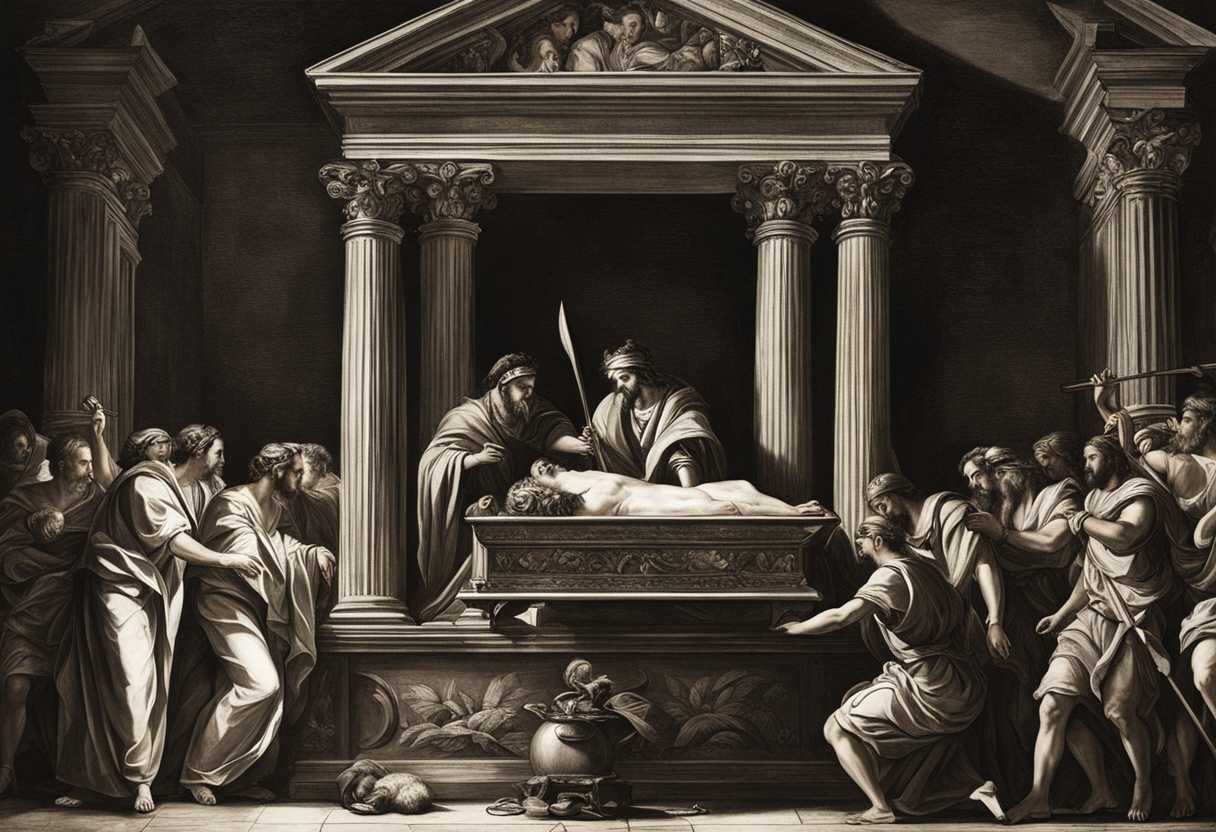
What the Bible Says About Emerods
Emerods, mentioned in the Bible (notably in 1 Samuel 5-6), are often identified with tumors or painful growths. They were associated with divine judgment, particularly inflicted upon the Philistines when they captured the Ark of the Covenant. Scripture 6 The hand of the Lord was heavy against the people of Ashdod, and he terrified and…