
Author: Reverend Michael Johnson
-

What the Bible Says About Hoary
In the Bible, “hoary” refers to gray or white hair, often symbolizing age, wisdom, and experience. It is used to convey respect for the elder’s insight and authority, as seen in Proverbs 16:31, which states that “the hoary head is a crown of glory.” Scripture 32 “You shall stand up before the gray head and…
-
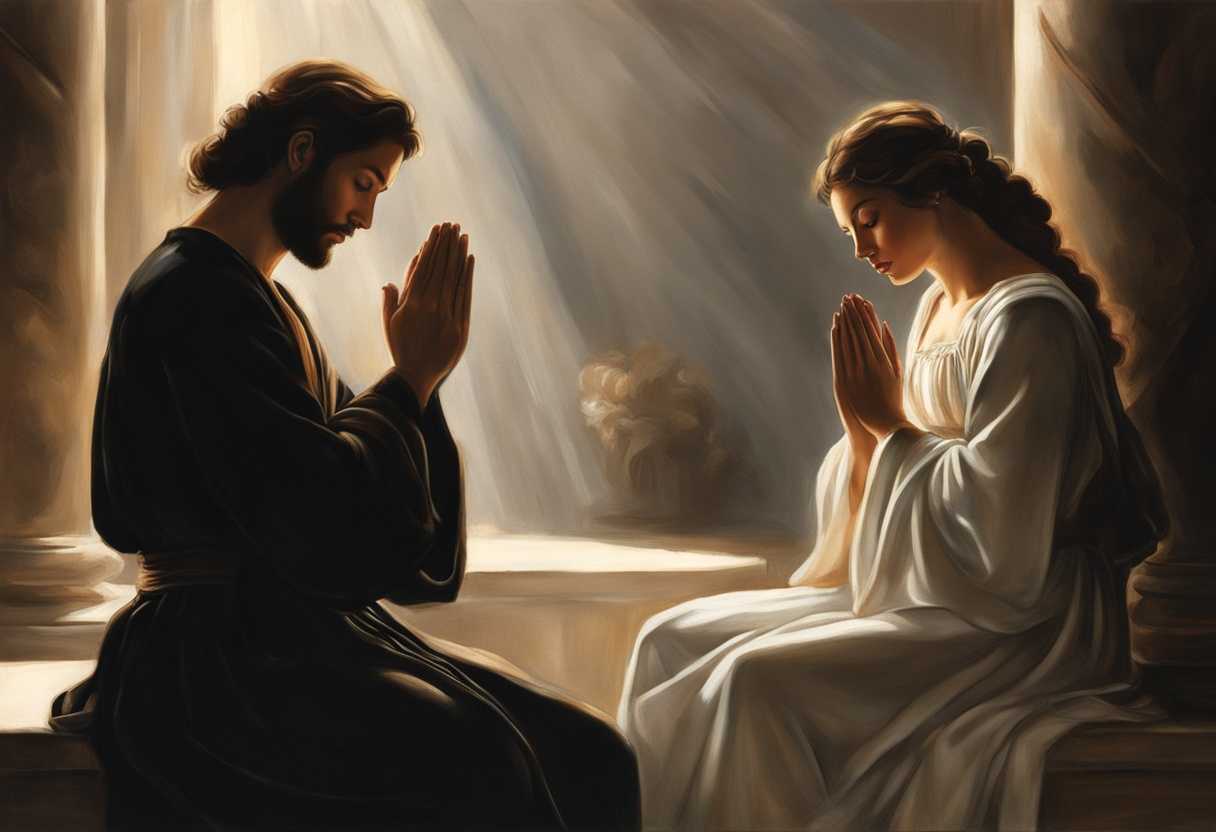
What the Bible Says About Palsy
In the Bible, “palsy” refers to a condition of paralysis or severe weakness, often used in the context of those who are unable to walk or move due to disease or disability. It is mentioned in the New Testament, notably in the healings performed by Jesus, symbolizing both physical affliction and the need for spiritual…
-

What the Bible Says About Breakthrough
In the Bible, “breakthrough” often refers to a significant moment of divine intervention or victory, where barriers are overcome and God’s power is manifested. This concept is exemplified in various biblical events where God delivers His people from oppression or provides miraculous solutions to seemingly insurmountable problems. Scripture 24 And Jacob was left alone. And…
-

What the Bible Says About the Meaning of the First Commandment
The First Commandment, found in Exodus 20:3, states, “You shall have no other gods before me.” This command emphasizes the exclusive worship of the one true God, establishing loyalty and devotion above all other deities. Scripture 1 And God spoke all these words, saying, 2 “I am the Lord your God, who brought you out…
-

What the Bible Says About “Soweth”
In the Bible, “soweth” refers to the act of planting seeds, symbolizing the act of investing efforts or resources with the expectation of future growth or harvest. It often conveys spiritual principles, such as the idea of reaping what one sows, emphasizing the consequences of one’s actions (Galatians 6:7). Scripture 11 And God said, “Let…
-

What the Bible Says About Graven Images
In the Bible, “graven” refers to something that is engraved or carved, often in relation to idols or images made by human hands (e.g., in the context of the commandment against making graven images, found in Exodus 20:4). It conveys the idea of creating a physical representation that can distract from or misrepresent the worship…
-

What the Bible Says About Superscription: Understanding Its Meaning
In the Bible, a superscription refers to a heading or title that precedes a psalm or section of text, often providing context or identifying the author. It serves to clarify the purpose or background of the ensuing passage, enhancing the reader’s understanding. Scripture 1 O Lord, how many are my foes! Many are rising against…
-

What the Bible Says About the Definition of Abounded
In the Bible, “abounded” refers to the idea of overflowing or being rich in a quality, particularly in grace, love, mercy, or blessings. It signifies an abundance that exceeds normal limits, often highlighting God’s generous provision for humanity (e.g., Romans 5:20). Scripture 20 Now the law came in to increase the trespass, but where sin…
-

What the Bible Says About Revival
In the Bible, “revive” generally refers to restoring life, strength, or health, often in a spiritual context, signifying a renewal or revitalization of faith and relationship with God. It is frequently associated with repentance and a return to spiritual vitality, as seen in passages like Psalm 85:6, which calls for God to revive His people.…
-

What the Bible Says About Names of Spirits and Their Meanings
In the Bible, spirits are often referred to by names that reflect their roles or attributes, such as the Holy Spirit, who embodies God’s presence and guidance, and unclean spirits, which represent demonic influences or evil forces. Other notable examples include the spirit of truth (John 14:17) and the spirit of wisdom (Isaiah 11:2), each…