
Author: Reverend Michael Johnson
-

What the Bible Says About Antithetical Parallelism: A Definition and Exploration
Antithetical parallelism is a poetic structure commonly found in Hebrew poetry, particularly in the Psalms, where contrasting ideas are presented in parallel lines to emphasize a point. This literary device highlights opposition, such as the righteous versus the wicked, to convey moral or spiritual truths succinctly. Scripture 1 A wise son makes a glad father,…
-

What the Bible Says About Lament: A KJV Perspective
In the Bible, “lament” refers to a passionate expression of grief or sorrow, often directed towards God. It is commonly found in the Psalms and signifies a heartfelt plea for divine help in times of distress and suffering. Scripture 1 After this Job opened his mouth and cursed the day of his birth. 2 And…
-

What the Bible Says About the Meaning of Eating Blood
In the Bible, consuming blood is prohibited as it represents the life of the flesh and carries sanctity; in Leviticus 17:10-14, God asserts that blood must not be eaten because it is the life force that should be offered to Him. The New Testament reinforces this with Acts 15:29, where early Christians are instructed to…
-

What the Bible Says About Banqueting: A Definition and Exploration
In the Bible, “banqueting” often refers to extravagant feasting or celebratory meals, symbolizing joy and abundance. It can also carry spiritual implications, representing fellowship and communion, as seen in passages like Luke 14:15-24 where Jesus encourages sharing in the kingdom of God. Scripture 18 And Melchizedek king of Salem brought out bread and wine. He…
-

What the Bible Says About the Root Definition of Faith
The root “bibl” derives from the Greek word “biblia,” which means “books.” In a biblical context, it refers to the collection of sacred texts or scriptures that are considered authoritative and inspired by God, collectively known as the Bible. Scripture 16 All Scripture is breathed out by God and profitable for teaching, for reproof, for…
-

What the Bible Says About the Meaning of Adriel
In the Bible, Adriel means “follower of God” or “God is my shepherd.” He is mentioned as the son of Barzillai the Meholathite and the husband of Merab, the daughter of King Saul (2 Samuel 21:8). Scripture 19 But at the time when Merab, Saul’s daughter, should have been given to David, she was given…
-

What the Bible Says About the Definition of “Hore”
In the Bible, “hore” is often used in reference to a mountain or hill, specifically in the context of Mount Horeb, which is associated with the giving of the Ten Commandments to Moses. Additionally, the term can also relate to the geographical location significant in biblical narratives. Scripture 6 For at the window of my…
-
What the Bible Says About Multiplication
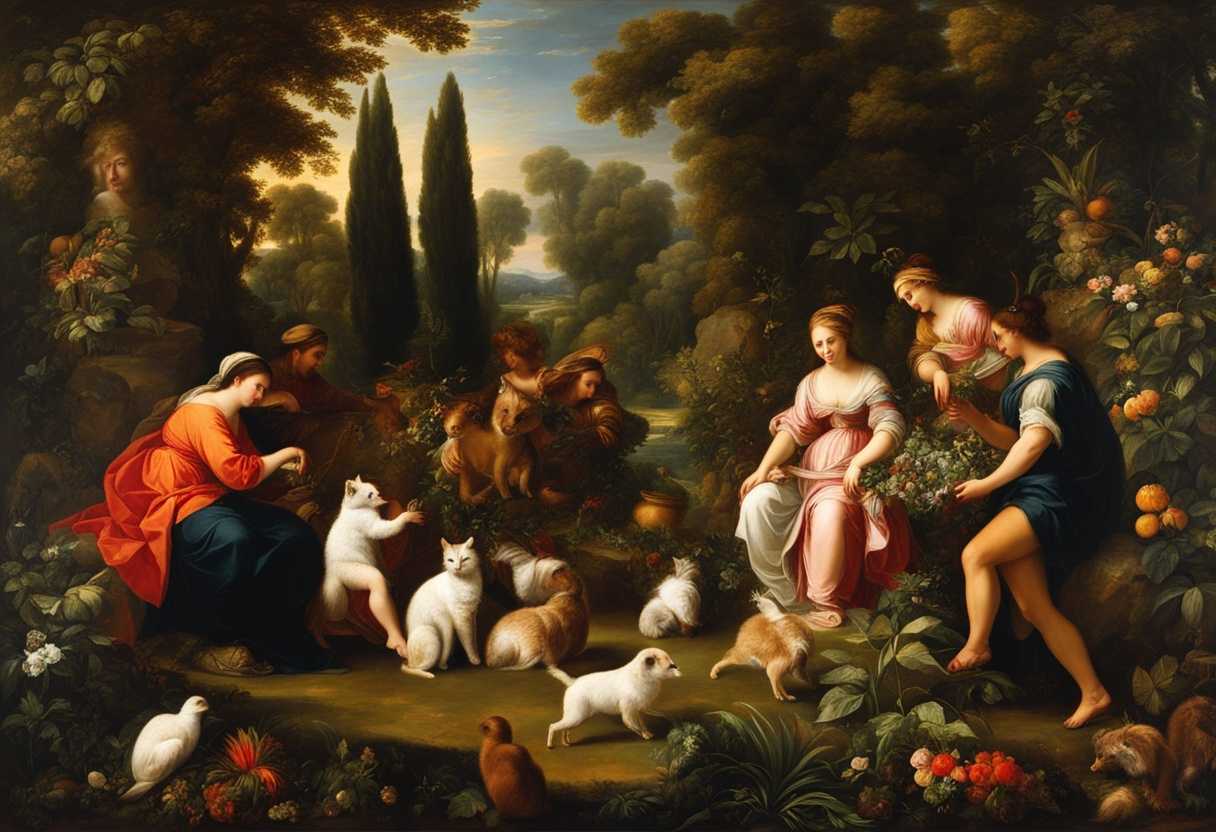
In the Bible, “multiply” often refers to the increase or proliferation of people, animals, or blessings as part of God’s creation and covenant promise. For instance, in Genesis 1:28, God commands humanity to “be fruitful and multiply” as part of His directive to populate the earth. Scripture 27 So God created man in his own…
-

What the Bible Says About the Universe: A Definition and Exploration
The Bible does not explicitly define “universe” in modern terms, but it describes creation as everything that exists outside of God, including the heavens and the earth, as stated in Genesis 1:1: “In the beginning, God created the heavens and the earth.” This encompasses all celestial bodies and the physical realm. Scripture 1 In the…
-

What the Bible Says About the Meaning of Elisheba
Elisheba is a Hebrew name that means “God is my oath.” In the Bible, she is recognized as the wife of Aaron, the brother of Moses, and is mentioned in Exodus 6:23 as part of the priestly lineage. Scripture 23 Aaron took as his wife Elisheba, the daughter of Amminadab and the sister of Nahshon,…