
Author: Reverend Michael Johnson
-

What the Bible Says About Being Miserable
In the Bible, “miserable” often describes a state of deep distress or unhappiness, typically resulting from sin, suffering, or separation from God. It can reflect both physical and spiritual anguish, highlighting the need for divine comfort and redemption. Scripture 20 “Why is light given to him who is in misery, and life to the bitter…
-

What the Bible Says About the Definition of Furrow
In the Bible, “furrow” refers to a narrow trench or groove created in the soil by plowing, symbolizing preparation and cultivation for growth (Proverbs 28:19). It can also metaphorically represent the paths of life that individuals must navigate, often indicating a journey of labor and effort (Job 31:7). Scripture 10 Can you bind the wild…
-

What the Bible Says About the Definition of “Stir”
In the Bible, “stir” often refers to the act of arousing emotions, thoughts, or actions, as seen in passages that encourage believers to provoke one another to love and good works (Hebrews 10:24). The term may also relate to stirring up the Spirit or a sense of urgency regarding spiritual matters. Scripture 21 And they…
-
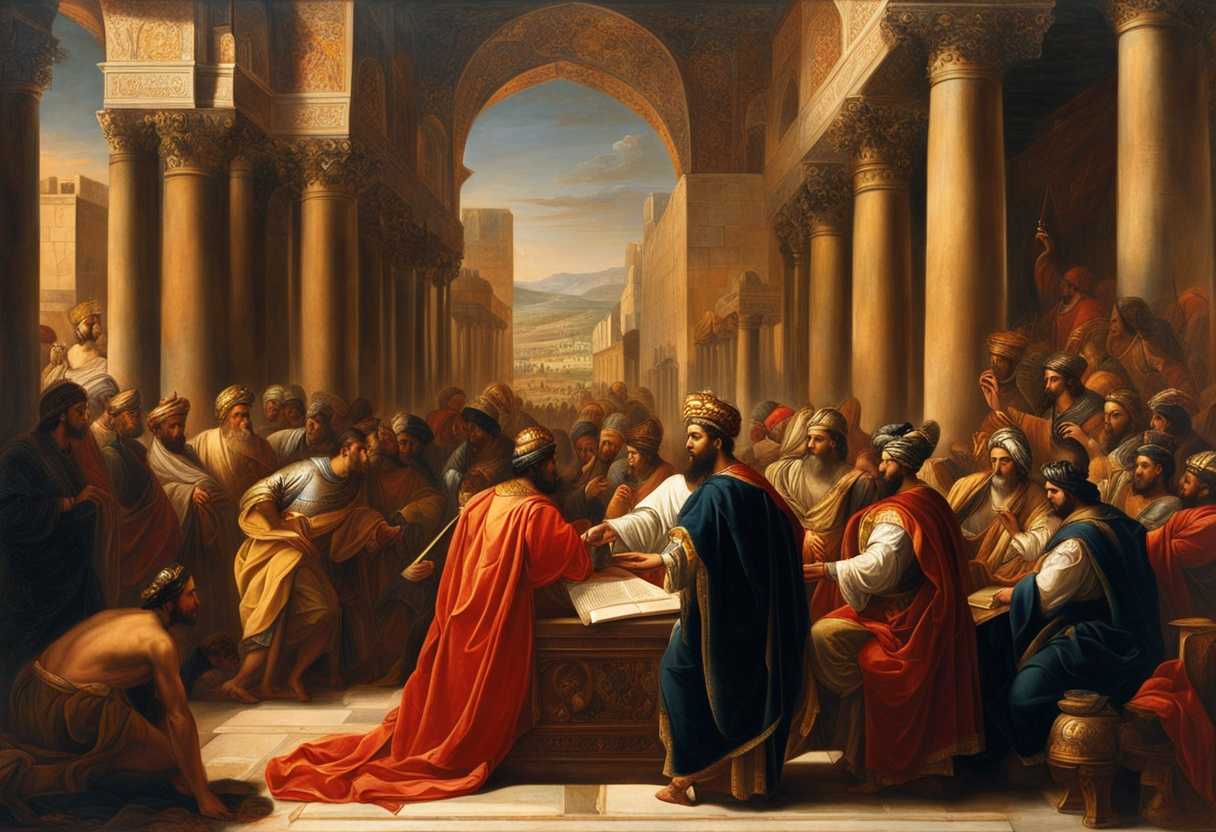
What the Bible Says About the Meaning of Darius
Darius in the Bible refers to several Persian kings, with the most notable being Darius the Mede and Darius I. The name “Darius” means “possessor” or “holding firm,” and he is often associated with key events, such as the decree allowing the Jews to return to Jerusalem and rebuild the temple (Ezra 6). Scripture 1…
-

What the Bible Says About Tickling Ears
The phrase “tickling ears” in the Bible refers to the desire for teachings that are pleasing and flattering, rather than those that convey truth or conviction. It is often associated with false prophets or teachings that divert from sound doctrine, as seen in 2 Timothy 4:3-4, where people seek messages that cater to their desires…
-

“What the Bible Says About Intended Definitions”
In the Bible, “intended” often refers to a purpose or plan established by God or individuals towards a particular goal or outcome. It emphasizes the notion of divine or personal volition in actions and decisions, as seen in verses that discuss God’s desires or human intentions. Scripture 19 But Joseph said to them, “Do not…
-

What the Bible Says About Boasting: Understanding Its Definition and Context
In the Bible, to boast refers to taking pride in one’s accomplishments or attributes, often in a way that may be seen as arrogant or self-glorifying, as illustrated in Jeremiah 9:23-24, which emphasizes that true boasting should be in understanding and knowing God. Boasting is generally discouraged, as it can lead to hubris and distract…
-

What the Bible Says About Eventide: A Definition and Reflection
In the Bible, “eventide” refers to the period of the evening or twilight, symbolizing a time of reflection, rest, and the closing of the day’s activities. It is often associated with prayer and the transition from daylight to darkness, as seen in verses like Psalm 141:2. Scripture 63 And Isaac went out to meditate in…
-

What the Bible Says About Excellency
In the Bible, “excellency” often refers to a state of superiority or high quality, particularly in relation to God’s attributes or the greatness of His power (Psalm 8:1). It signifies a divine characteristic that reflects ultimate worth and majesty. Scripture 22 Out of the north comes golden splendor; God is clothed with awesome majesty. 23…
-

What the Bible Says About the Definition of Ministry
In the Blue Letter Bible, “ministry” is defined as service or work done for God and others, often involving the proclamation of the Gospel, teaching, and aiding in the spiritual growth of believers. It reflects a commitment to serving within the church community and fulfilling God’s purposes. Scripture 1 Therefore, having this ministry by the…