
Author: Reverend Michael Johnson
-
What the Bible Says About Trespass: A King James Perspective
In the King James Bible, “trespass” refers to the act of sinning or transgressing against God’s commandments, as in the context of violating moral laws or exceeding boundaries. It can also denote the wrongful act of encroaching upon someone else’s property or rights, both in physical and spiritual contexts. Scripture 14 The Lord spoke to…
-

What the Bible Says About Treason: Understanding Its Meaning and Implications
In the Bible, treason is often associated with betrayal and rebellion against authority, particularly against God’s commandments or anointed leaders. It is depicted as a grave sin that leads to severe consequences, exemplified in stories such as David’s betrayal by Absalom (2 Samuel 15). Scripture 1 After this Absalom got himself a chariot and horses,…
-

What the Bible Says About the Grape Harvest Festival
The Grape Harvest Festival, also known as the Feast of Tabernacles or Sukkot, celebrates the gathering of the harvest and God’s provision. It symbolizes joy, thanksgiving, and the remembrance of the Israelites’ journey in the wilderness, reflecting a time of rejoicing in the bounty of the land (Leviticus 23:39-43). Scripture 33 And the Lord spoke…
-
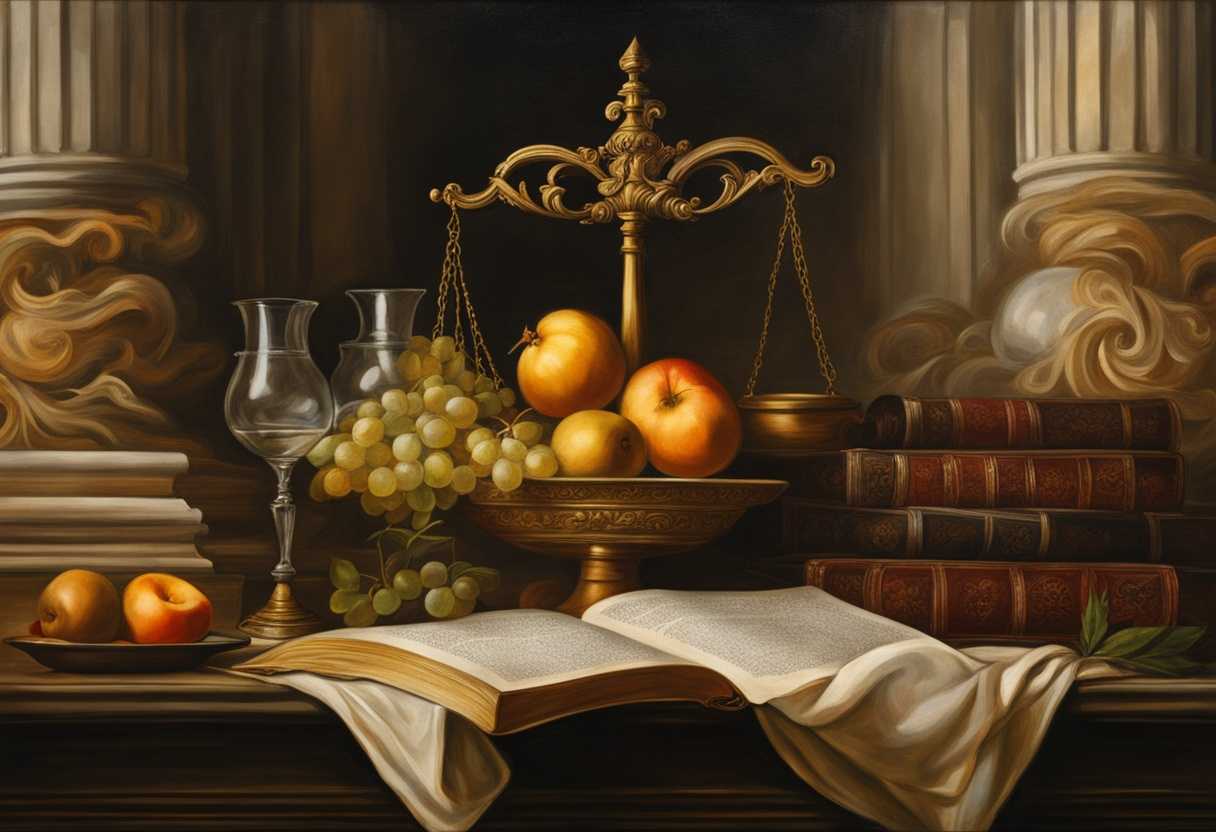
What the Bible Says About Mishpat: Understanding Justice in Scripture
In the Bible, “mishpat” (מִשְׁפָּט) generally refers to judgment, justice, or legal decisions, encompassing the principles of fairness and righteousness in the administration of law. It emphasizes God’s authority in establishing justice and moral order within society, as reflected in various laws and commandments throughout the Scriptures. Scripture 19 For I have chosen him, that…
-

What the Bible Says About the Meaning of Sarah
In the Bible, Sarah means “princess” or “noblewoman.” She is the wife of Abraham and the mother of Isaac, and her story is significant in the context of God’s covenant and the establishment of the Israelite lineage (Genesis 17:15-19). Scripture 15 And God said to Abraham, “As for Sarai your wife, you shall not call…
-

What the Bible Says About the Sacrifice of Isaac
Isaac’s sacrifice, often referred to as the Akedah or the Binding of Isaac, is the biblical account from Genesis 22 where God commands Abraham to offer his son Isaac as a sacrifice. It demonstrates themes of faith, obedience, and the testing of one’s devotion to God. Scripture 22 After these things God tested Abraham and…
-

What the Bible Says About the Meaning of Names
In the Bible, names often carry significant meanings that reflect the character, attributes, or circumstances of the individuals. For example, the name “Isaac” means “laughter,” symbolizing the joy of his parents when he was born, while “Jacob” means “supplanter,” reflecting his role in supplanting his brother Esau. Scripture 1 When Abram was ninety-nine years old…
-

What the Bible Says About the Meaning of Levy
In the Bible, “levy” often refers to a formal assessment or collection of taxes, dues, or tributes imposed by a governing authority. It can also denote the act of raising or recruiting troops or resources for military purposes, as seen in various passages regarding the obligations of the people. Scripture 13 And King Solomon drafted…
-

What the Bible Says About the Meaning of the First Commandment
The First Commandment, found in Exodus 20:3, states, “You shall have no other gods before me.” This command emphasizes the exclusive worship of the one true God, establishing loyalty and devotion above all other deities. Scripture 1 And God spoke all these words, saying, 2 “I am the Lord your God, who brought you out…
-

What the Bible Says About Gideon: Meaning and Significance
In the Bible, Gideon is a judge of Israel known for his faith and leadership in delivering the Israelites from Midianite oppression, primarily recounted in the Book of Judges (Chapters 6-8). The name Gideon means “hewer” or “one who cuts trees,” symbolizing strength and the ability to bring down oppressors. Scripture 11 Now the angel…