
Author: Reverend Michael Johnson
-
What the Bible Says About the Meaning of a Millstone
In the Bible, a millstone symbolizes heavy burdens or dire consequences, particularly in the context of causing harm to others, as referenced in Matthew 18:6, where it is stated that it would be better for one to be drowned in the sea with a millstone tied around their neck than to lead a little one…
-

What the Bible Says About Papyrus: Understanding Its Definition and Significance
In the Bible, “papyrus” refers to a material made from the pith of the papyrus plant, used in ancient times for writing and documentation. It is mentioned in contexts related to manuscripts and scrolls, often indicating the common medium for recording texts in biblical times. Scripture 11 “Can papyrus grow where there is no marsh?…
-

What the Bible Says About Dung: Understanding Its Meaning and Symbolism
In the Bible, “dung” refers to excrement or waste material, often used metaphorically to symbolize impurity, filth, or the consequences of sin (e.g., Deuteronomy 23:13-14). It serves to highlight the need for cleanliness and holiness in both physical and spiritual contexts. Scripture 11 But the skin of the bull and all its flesh, with its…
-

What the Bible Says About the Meaning of Apples
In the Bible, the term “apple” is most notably found in the Song of Solomon, symbolizing beauty and love. It is often associated with temptation in theological interpretations, particularly in connection with the forbidden fruit in the Garden of Eden, though the Bible does not specify the type of fruit. Scripture 1 Now the serpent…
-
What the Bible Says About the Meaning of Gold and Silver
In Scripture, gold and silver often symbolize wealth, purity, and divine value; gold is associated with holiness and God’s glory, as seen in the construction of the Tabernacle (Exodus 25:11), while silver frequently represents redemption and is used in various sacrificial contexts (Exodus 30:13-15). Additionally, both metals highlight the contrast between earthly riches and spiritual…
-

What the Bible Says About the Olive Leaf: Symbolism and Meaning
In the Bible, the olive leaf symbolizes peace and hope, most notably demonstrated in the story of Noah’s Ark, where a dove returned with an olive leaf, indicating that the floodwaters had receded and God’s creation was being restored (Genesis 8:11). The olive tree itself also represents God’s blessing and prosperity throughout biblical texts. Scripture…
-
What the Bible Says About Anise: Definition and Significance
In the Bible, anise is mentioned in Matthew 23:23 as one of the herbs that the Pharisees were meticulous about tithing, symbolizing the importance of even the smallest details in religious observance. It is often associated with purity and the practice of devotion. Scripture 23 “Woe to you, scribes and Pharisees, hypocrites! For you tithe…
-
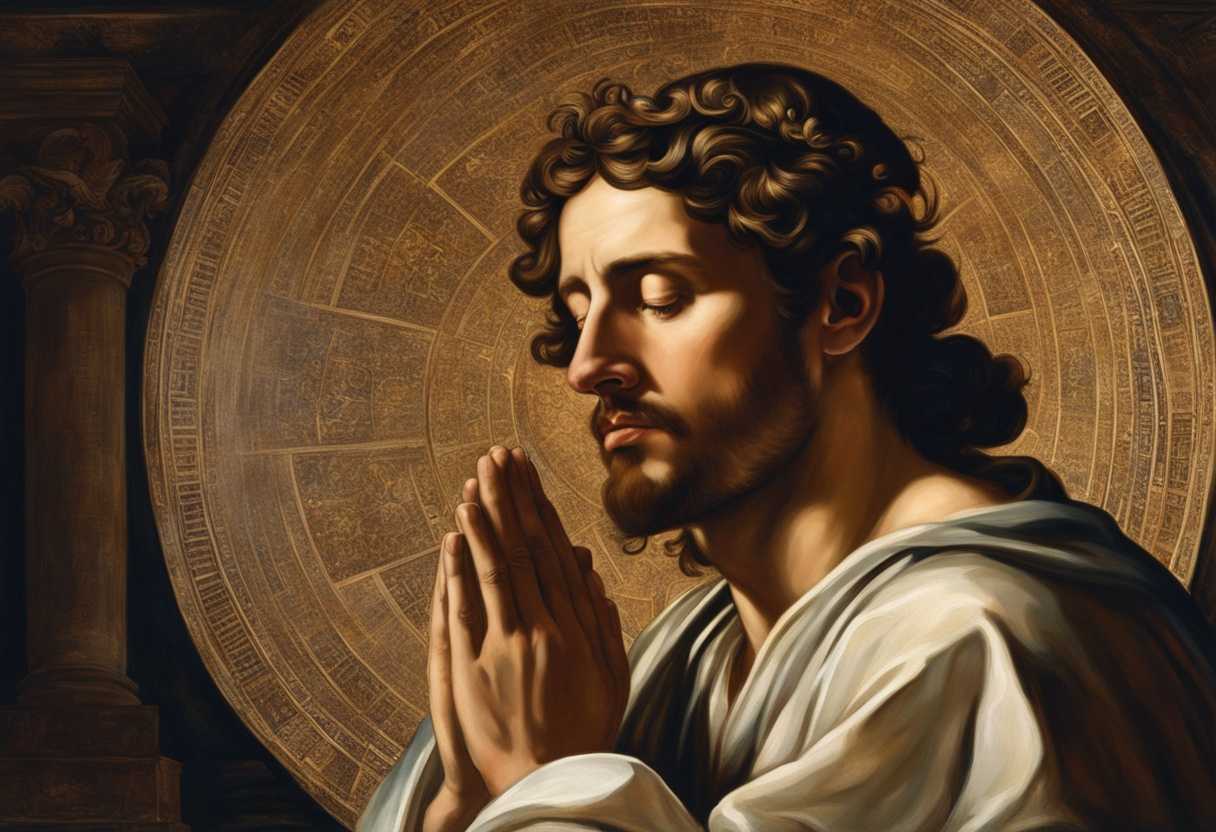
What the Bible Says About Frontlets: Understanding Their Significance
In the Bible, “frontlets” refer to small boxes or phylacteries containing verses from the Scriptures, which were worn on the forehead as a reminder of God’s commandments (Deuteronomy 6:8; Exodus 13:9). This practice symbolizes the importance of keeping God’s laws at the forefront of one’s thoughts and actions. Scripture 9 And it shall be to…