
Author: Reverend Michael Johnson
-

What the Bible Says About the Meaning of Lifted Hands
In the Bible, lifted hands in worship symbolize surrender, openness to God, and a desire for divine connection. This act can be seen as a physical expression of prayer and praise, exemplified in passages such as Psalm 63:4 and 1 Timothy 2:8. Scripture 29 Moses said to him, “As soon as I have gone out…
-

What the Bible Says About Disease: Understanding Its Meaning and Significance
In the Bible, disease is often viewed as a consequence of sin and a manifestation of spiritual or physical defilement (e.g., Leviticus 13). Additionally, it can serve as a test of faith or a means to demonstrate God’s power and mercy through healing (e.g., John 9:1-3). Scripture 26 saying, “If you will diligently listen to…
-

What the Bible Says About Majesty
In the Bible, “majestic” describes the grandeur and magnificence of God’s nature and creation, reflecting His supreme power and authority. It emphasizes the awe-inspiring beauty and holiness found in God’s presence, often seen in passages that highlight His sovereignty over the universe (e.g., Psalm 93:1). Scripture 1 O Lord, our Lord, how majestic is your…
-

What the Bible Says About Fleeing
In the Bible, “flee” often signifies the act of running away from danger, sin, or temptation, demonstrating a desire for safety or purity. It conveys the urgency of escaping harmful situations or immoral behaviors, as seen in verses like 1 Corinthians 6:18, where believers are encouraged to “flee from sexual immorality.” Scripture 17 And as…
-

What the Bible Says About Demonstrate
In the Bible, “demonstrate” often refers to the act of showing or proving something through actions or signs. For instance, it can relate to demonstrating faith through works, as seen in James 2:18, which emphasizes that faith is shown by actions. Scripture 8 but God shows his love for us in that while we were…
-

What the Bible Says About the Duties of a Watchman
In the Bible, a watchman is tasked with being vigilant and alert, often serving as a spiritual guardian who warns others of impending danger or judgment (Ezekiel 33:6). They are responsible for proclaiming truth and guiding the community toward righteousness, ensuring that the people remain aware of God’s messages and guidance. Scripture 17 “Son of…
-

What the Bible Says About Grasshoppers
In the Bible, grasshoppers are often used as symbols of insignificance, frailty, and vulnerability. For example, in Numbers 13:33, the Israelites describe themselves as grasshoppers compared to the giants in the land, illustrating their feelings of fear and inferiority. Scripture 33 And there we saw the Nephilim (the sons of Anak, who come from the…
-
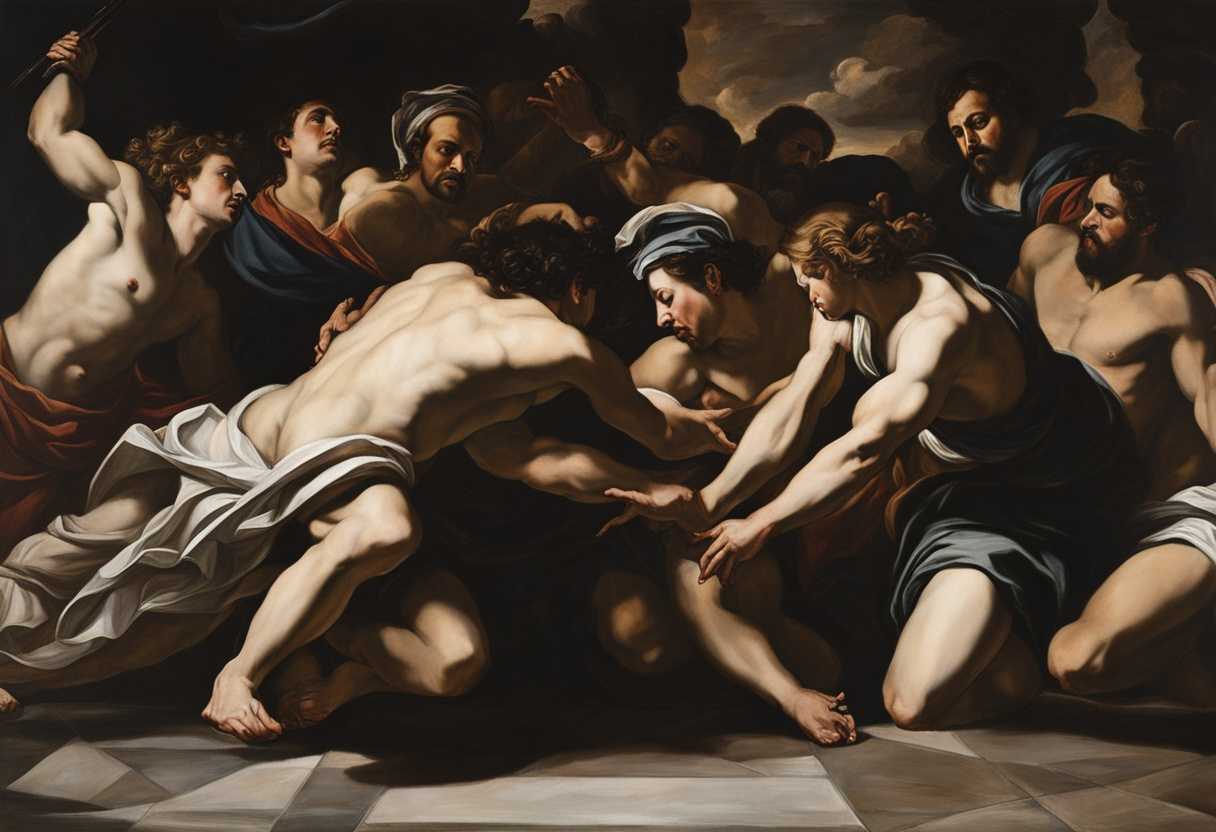
What the Bible Says About the Greek Definition of “Contend”
The Greek word for “contend” is “ἀγωνίζομαι” (agonizomai), which means to struggle, wrestle, or strive vigorously in a contest or conflict. In a biblical context, it often refers to the effort required in spiritual battles or the pursuit of faith (e.g., 1 Timothy 6:12). Scripture 24 And Jacob was left alone. And a man wrestled…
-

What the Bible Says About Conies
In the Bible, conies (or hyraxes) are small, herbivorous mammals mentioned in Proverbs 30:26 and Psalm 104:18, noted for their rock-dwelling habits and wisdom in seeking shelter. They symbolize reliance on protective environments and are often highlighted for their vulnerability compared to larger animals. Scripture 5 And the rock badger, because it chews the cud…
-

What the Bible Says About Entreaty
In the Bible, “entreat” means to earnestly ask or request something, often with a sense of urgency or heartfelt appeal. It typically reflects a deep desire for assistance or favor from God or another person, as seen in various contexts throughout Scripture. Scripture 20 and you shall say, ‘Moreover, your servant Jacob is behind us.’”…