
Author: Reverend Michael Johnson
-
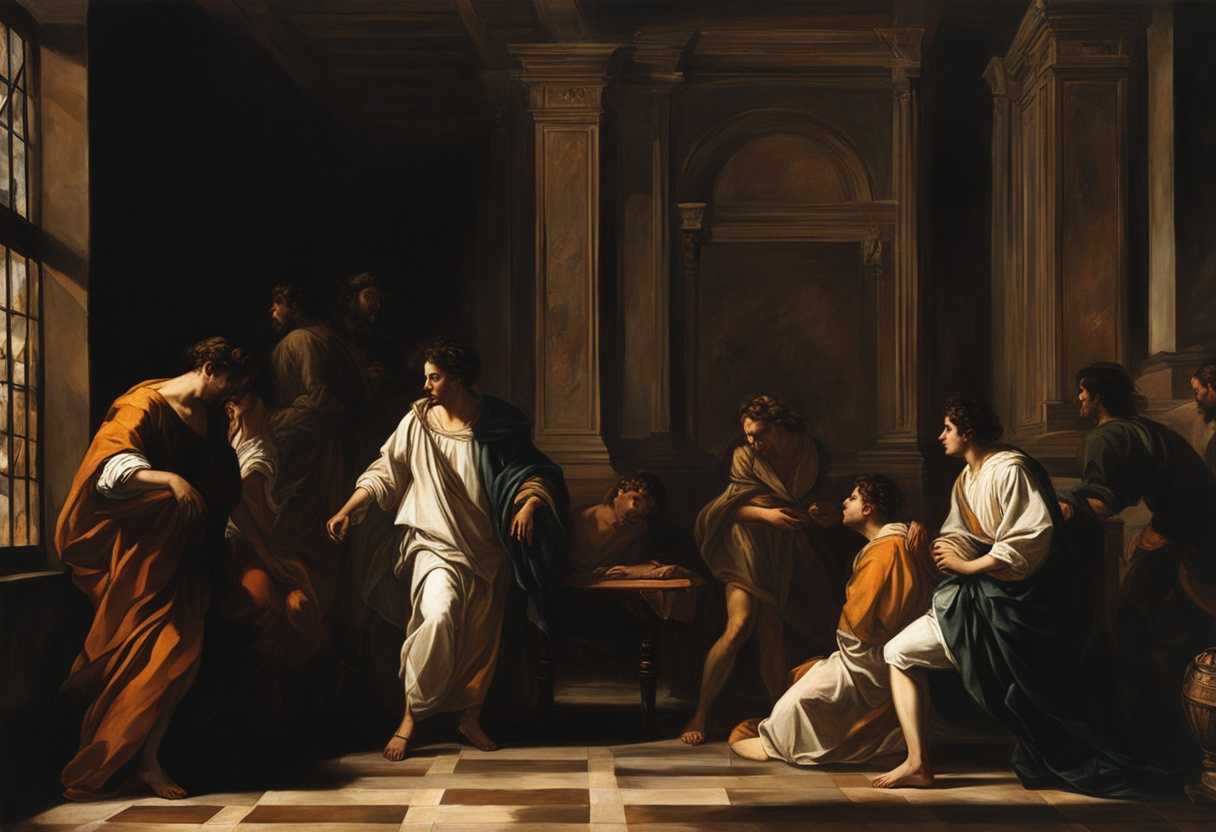
What does Genesis 42:9, 13 really mean?
Genesis 42:9, 13 is about Joseph recognizing his brothers who had sold him into slavery, testing their integrity and repentance, and ultimately showing forgiveness and grace, portraying themes of reconciliation, redemption, and the mysterious ways in which God works for good even in the midst of betrayal and hardship. 9 And Joseph remembered the dreams…
-

What does 1 Corinthians 12-14 really mean?
1 Corinthians 12-14 is about emphasizing the importance of spiritual gifts, unity within the body of Christ, and the supremacy of love in guiding the use of these gifts. Now concerning spiritual gifts, brothers, I do not want you to be uninformed. 2 You know that when you were pagans you were led astray to…
-

What does Deuteronomy 33:24-25 really mean?
Deuteronomy 33:24-25 is about the blessings bestowed upon Asher, highlighting themes of abundance, strength, and divine favor, which reflect the broader promise of prosperity that God offers to the tribes of Israel through their faithfulness and adherence to His covenant. 24 And of Asher he said, “Most blessed of sons be Asher; let him be…
-

What does 1 Kings 17-18 really mean?
1 Kings 17-18 is about the prophet Elijah demonstrating the power and faithfulness of God through miraculous signs and his confrontation with the prophets of Baal to reveal the one true God. 1 Now Elijah the Tishbite, of Tishbe in Gilead, said to Ahab, “As the Lord, the God of Israel, lives, before whom I…
-

What does 1 Kings 17-19 really mean?
1 Kings 17-19 is about the prophet Elijah’s demonstrations of God’s power through miracles, his faithfulness to God amidst trials, and his encounter with God in a still, small voice on Mount Horeb. 1 Now Elijah the Tishbite, of Tishbe in Gilead, said to Ahab, “As the Lord, the God of Israel, lives, before whom…
-

What does Leviticus 1-7 really mean?
is about outlining the various types of sacrifices and offerings that the Israelites were to present to God as a means of atonement for their sins and demonstrating their devotion to Him. 1 In the beginning, God created the heavens and the earth. 2 “Speak to the people of Israel and say to them, When…
-

What does Judges 11-12 really mean?
Judges 11-12 is about Jephthah, a judge of Israel, who made a rash vow to God leading to the tragic sacrifice of his own daughter, highlighting the dangers of making hasty promises and the importance of thoughtful reflection and devotion in one’s relationship with God. 1 Now Jephthah the Gileadite was a mighty warrior, but…
-

What does Leviticus 13-14 really mean?
Leviticus 13-14 is about the laws and rituals concerning skin diseases and bodily emissions, emphasizing the importance of purity and cleanliness in the Israelite community. 1 The Lord spoke to Moses and Aaron, saying, 2 When a person has on the skin of his body a swelling or an eruption or a spot, and it…
-

What does Job 4-5 really mean?
Job 4-5 is about Eliphaz accusing Job of being a sinner and urging him to seek God’s discipline in order to restore his prosperity and peace. 1 Then Eliphaz the Temanite answered: 2 “If one ventures a word with you, will you be impatient? Yet who can keep from speaking? 3 Behold, you have instructed…
-

What does Psalms 113-118 really mean?
Psalms 113-118 is about the celebration of God’s sovereignty, faithfulness, and salvation, emphasizing themes of praise, deliverance, and the universal call to worship Him for His enduring goodness and mercy toward Israel and all people. 1 Praise the Lord! Praise, O servants of the Lord, praise the name of the Lord! 2 Blessed be the…