
Author: Reverend Michael Johnson
-

What the Bible Says About Revelry
In the Bible, revelry refers to excessive partying, indulgence, or boisterous merrymaking, often associated with immoral behavior. It is generally condemned in scripture, such as in Galatians 5:19-21, where it is listed among the works of the flesh. Scripture 6 And they rose up early the next day and offered burnt offerings and brought peace…
-

What the Bible Says About Definition of Choose
In the Bible, “choose” refers to the act of selecting or making a decision, often in the context of God’s call for individuals to decide between righteousness and sin (e.g., Deuteronomy 30:19). It emphasizes the importance of free will in the relationship between God and humanity, where one is invited to choose life and align…
-

What the Bible Says About the Meaning of Tearing Clothes
In the Bible, tearing clothes is a sign of mourning, grief, or deep distress, often used to express sorrow over sin or tragedy. It symbolizes a heartbroken and contrite spirit, as seen in various accounts, such as when Job mourned the loss of his children (Job 1:20) and when King Josiah heard the Book of…
-
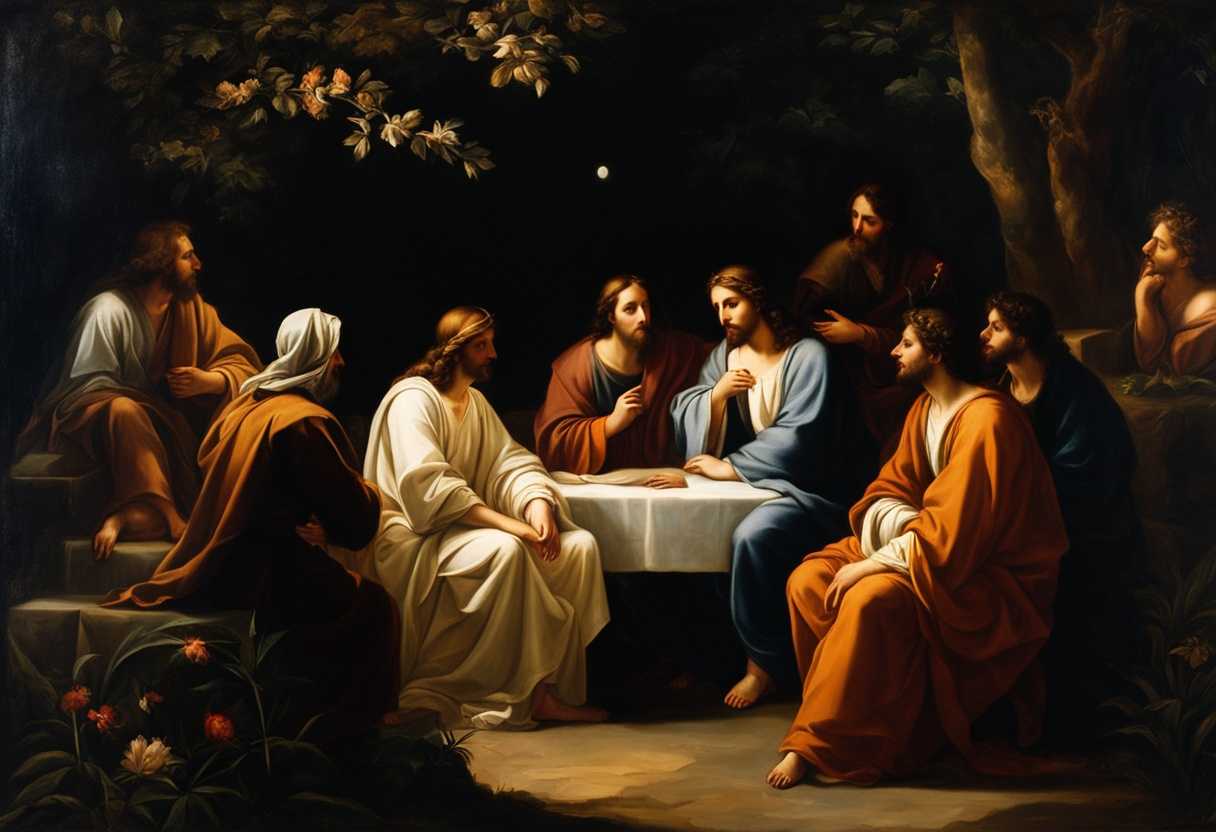
What the Bible Says About “The Flesh is Weak”
The phrase “the flesh is weak” originates from Matthew 26:41, where Jesus tells his disciples to “watch and pray” because “the spirit indeed is willing, but the flesh is weak.” This highlights the human tendency to succumb to temptation and fail in spiritual vigilance despite a desire to do what is right. Scripture 36 Then…
-

What the Bible Says About Unearthing Definitions
In the Bible, “unearth” is not explicitly defined as a term, but it can be understood to mean the act of revealing or bringing to light something that was hidden or buried, often relating to spiritual truths or knowledge. This concept aligns with themes of revelation and discovery found throughout scripture, such as in Ecclesiastes…
-

What the Bible Says About Being the Salt of the Earth
In the Bible, “salt of the earth” refers to believers who positively influence and preserve moral values in society, as depicted in Matthew 5:13. It signifies the idea that Christians are meant to enhance the world through righteous living and ethical conduct, much like salt enhances flavor and acts as a preservative. Scripture 13 “You…
-

What the Bible Says About “Strove”
In the Bible, “strove” generally means to struggle, contend, or fight, often referring to conflicts or disputes. It appears in various contexts, indicating both physical and metaphorical struggles, such as in Genesis 26:22, where it describes the conflicts over wells between Isaac’s servants and the Philistines. Scripture 24 And Jacob was left alone. And a…
-

What the Bible Says About Conies
In the Bible, conies (or hyraxes) are small, herbivorous mammals mentioned in Proverbs 30:26 and Psalm 104:18, noted for their rock-dwelling habits and wisdom in seeking shelter. They symbolize reliance on protective environments and are often highlighted for their vulnerability compared to larger animals. Scripture 5 And the rock badger, because it chews the cud…
-

What the Bible Says About the Meaning of Leopard
In the Bible, a leopard often symbolizes swiftness and ferocity, as seen in Jeremiah 5:6, where it represents an unstoppable threat. It is also mentioned in prophetic visions, such as in Daniel 7:6, where a leopard symbolizes a kingdom characterized by speed and cunning. Scripture 9 Judah is a lion’s cub; from the prey, my…
-

What the Bible Says About Fleeing
In the Bible, “flee” often signifies the act of running away from danger, sin, or temptation, demonstrating a desire for safety or purity. It conveys the urgency of escaping harmful situations or immoral behaviors, as seen in verses like 1 Corinthians 6:18, where believers are encouraged to “flee from sexual immorality.” Scripture 17 And as…