
Author: Reverend Michael Johnson
-

What does Leviticus 7:31-34 really mean?
Leviticus 7:31-34 is about the instructions given to the Israelites regarding the portion of the peace offering reserved for the priests as a symbol of gratitude and fellowship with God. 31 And the priest shall burn the fat on the altar, but the breast shall be for Aaron and his sons. 32 And the right…
-

What does 1 Samuel 8:7-18 really mean?
1 Samuel 8:7-18 is about God warning the Israelites about the consequences of choosing a human king to rule over them instead of relying on Him, emphasizing how a king would oppress them and exploit their resources. 7 And the Lord said to Samuel, “Obey the voice of the people in all that they say…
-

What does Genesis 21:10-14 really mean?
Genesis 21:10-14 is about the expulsion of Hagar and Ishmael from Abraham’s household, symbolizing the separation between the covenant line of Isaac and the line of Ishmael, highlighting themes of obedience, trust in God’s providence, and the establishment of separate destinies. 10 So she said to Abraham, “Cast out this slave woman with her son,…
-

What does 1 Samuel 2:31-35 really mean?
1 Samuel 2:31-35 is about how God promises to raise up a faithful priest who will serve Him faithfully, contrasting this with the corrupt behavior of Eli’s descendants who will be punished for their disobedience and lack of reverence for God. 31 Behold, the days are coming when I will cut off your strength and…
-
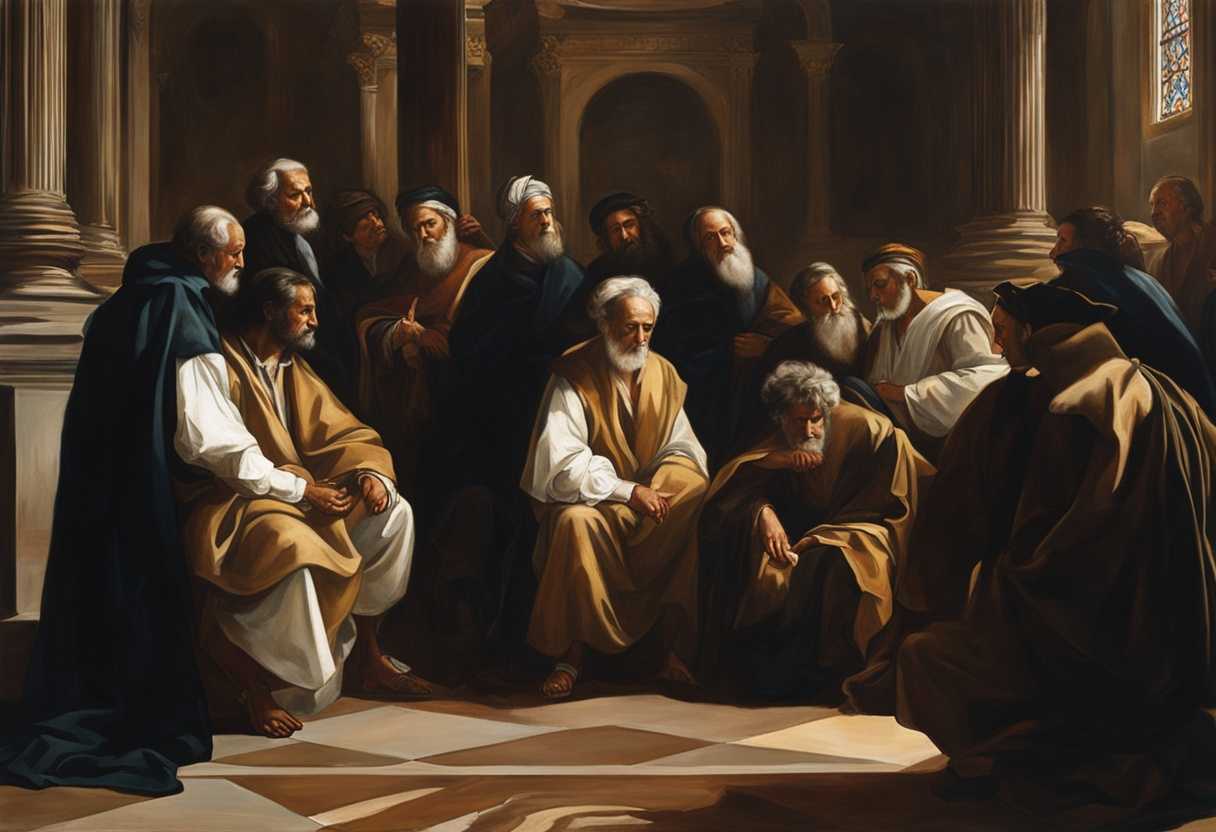
What does 1 Samuel 8:4-5 really mean?
1 Samuel 8:4-5 is about the Israelites rejecting God as their king and instead demanding a human king, highlighting the consequences of prioritizing worldly desires over God’s sovereignty. 4 Then all the elders of Israel gathered together and came to Samuel at Ramah 5 and said to him, “Behold, you are old and your sons…
-

What does Leviticus 8:33-35 really mean?
Leviticus 8:33-35 is about Aaron and his sons following specific instructions to remain at the entrance of the tent of meeting for seven days as they are consecrated to serve as priests, symbolizing the importance of preparation, dedication, and obedience in serving God. 33 And you shall not go outside the entrance of the tent…
-
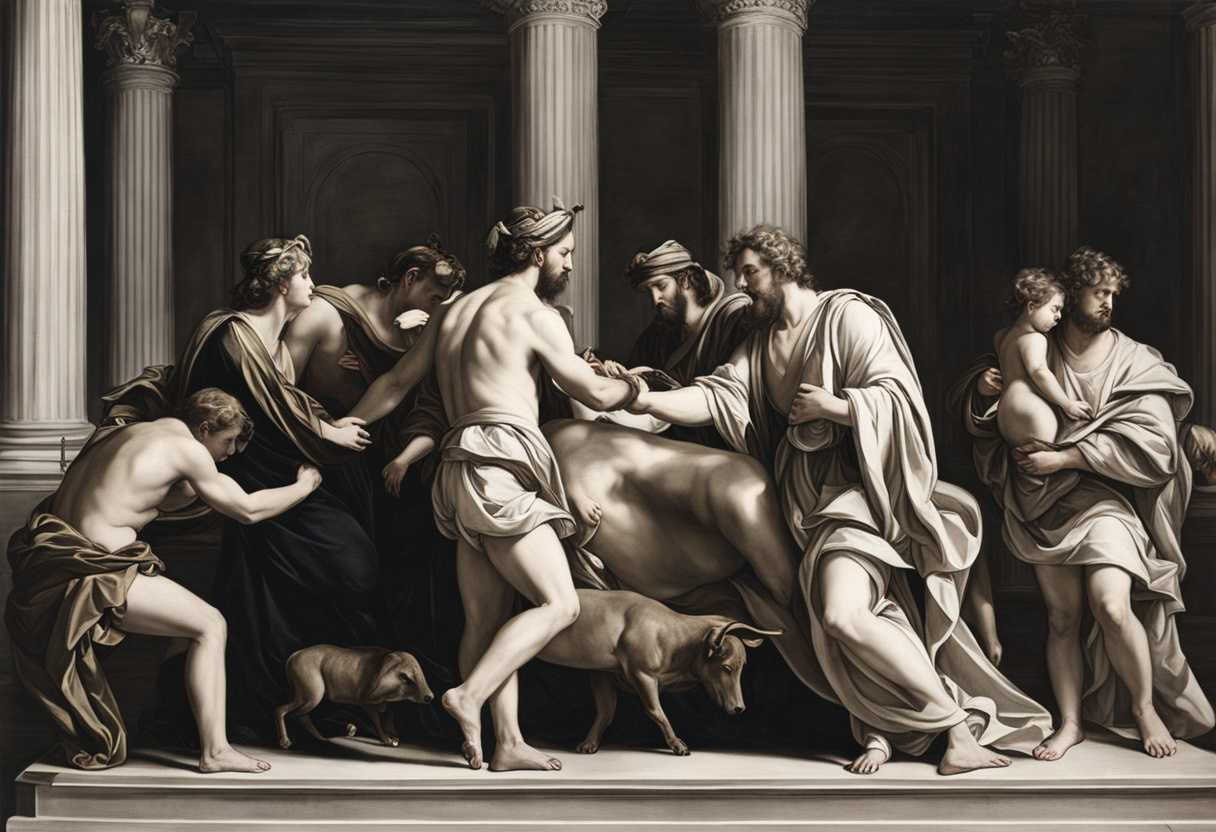
What does Leviticus 8:14-15 really mean?
Leviticus 8:14-15 is about Moses consecrating Aaron and his sons for the priesthood by anointing them with oil and preparing them for their service to God. 14 Then he brought the bull of the sin offering, and Aaron and his sons laid their hands on the head of the bull of the sin offering. 15…
-

What does Luke 1:5-9 really mean?
Luke 1:5-9 is about the faithful and righteous character of Zechariah and Elizabeth, who represent the epitome of devotion to God despite their old age and barrenness, illustrating the divine intervention and grace that is about to take place through the birth of John the Baptist. 5 In the days of Herod, king of Judea,…
-

What does Leviticus 8:31-36 really mean?
Leviticus 8:31-36 is about the consecration and ordination of priests by Moses as a way to signify their separation and sanctification for holy service to God. 31 And Moses said to Aaron and his sons, “Boil the flesh at the entrance of the tent of meeting, and there eat it and the bread that is…
-
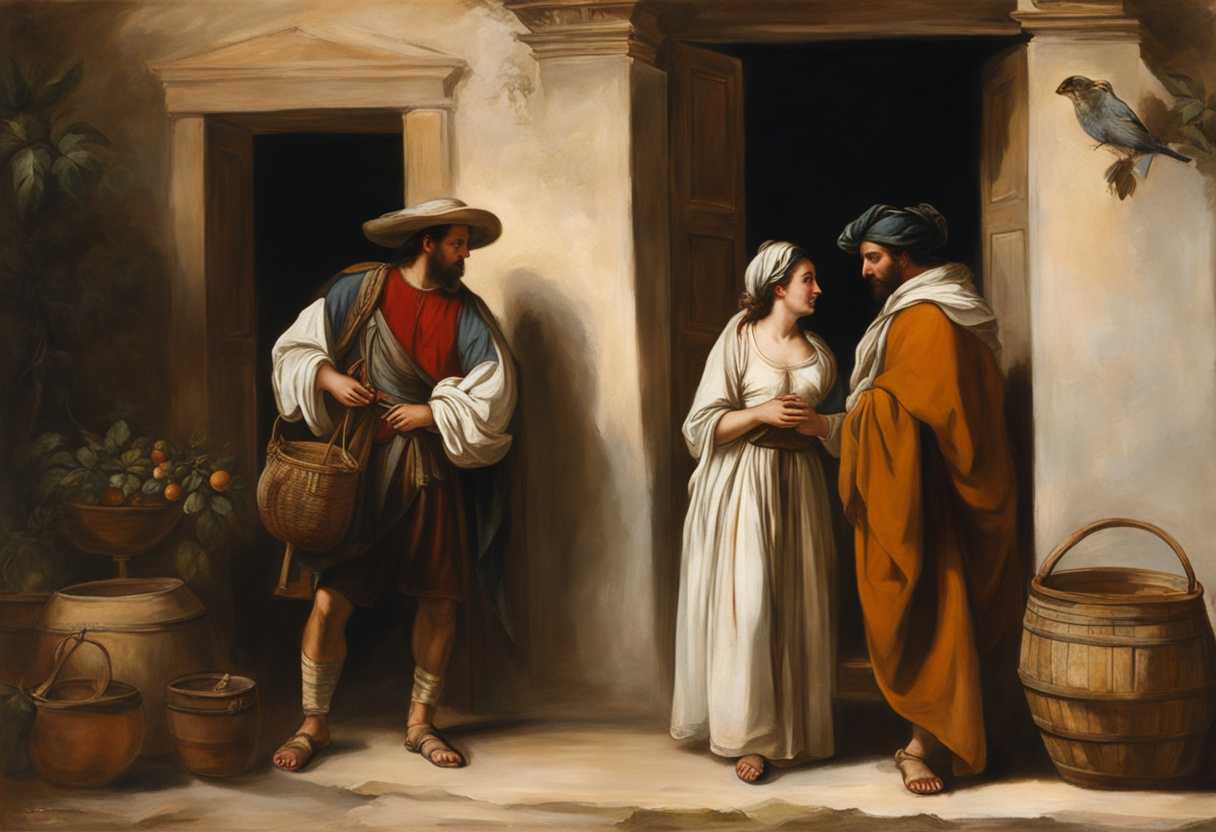
What does Genesis 19:2-3 really mean?
Genesis 19:2-3 is about Lot showing hospitality to two strangers who were actually angels, demonstrating the importance of kindness and generosity towards others. 2 and said, “My lords, please turn aside to your servant’s house and spend the night and wash your feet. Then you may rise up early and go on your way.” They…