
Author: Reverend Michael Johnson
-

What does Genesis 38:5 really mean?
Genesis 38:5 is about Judah marrying a Canaanite woman named Shua, indicating the consequences of intermarriage with those who do not share the same beliefs and values, leading to spiritual compromise and eventual downfall. 5 And she conceived again and bore a son, and she called his name Shelah. He was in Chezib when she…
-

What does Genesis 25:1-4 really mean?
Genesis 25:1-4 is about the descendants and genealogy of Abraham after Sarah’s death, showing how he married Keturah and had children, symbolizing the continuation of God’s promises through a new generation. 1 Abraham took another wife, whose name was Keturah. 2 She bore him Zimran, Jokshan, Medan, Midian, Ishbak, and Shuah. 3 Jokshan fathered Sheba…
-

What does 1 Timothy 1:13-15 really mean?
1 Timothy 1:13-15 is about the transformation and redemption of the Apostle Paul, once a persecutor of Christians, into a vessel of God’s mercy and grace, serving as an example of the limitless forgiveness and unfathomable love of God towards all sinners. 13 though formerly I was a blasphemer, persecutor, and insolent opponent. But I…
-

What does Matthew 11:21-22 really mean?
Matthew 11:21-22 is about Jesus denouncing the cities of Chorazin and Bethsaida for their lack of repentance and faith despite witnessing His miracles, indicating that greater judgment will befall them on the day of judgment compared to the notoriously sinful city of Sodom. 21 “Woe to you, Chorazin! Woe to you, Bethsaida! For if the…
-
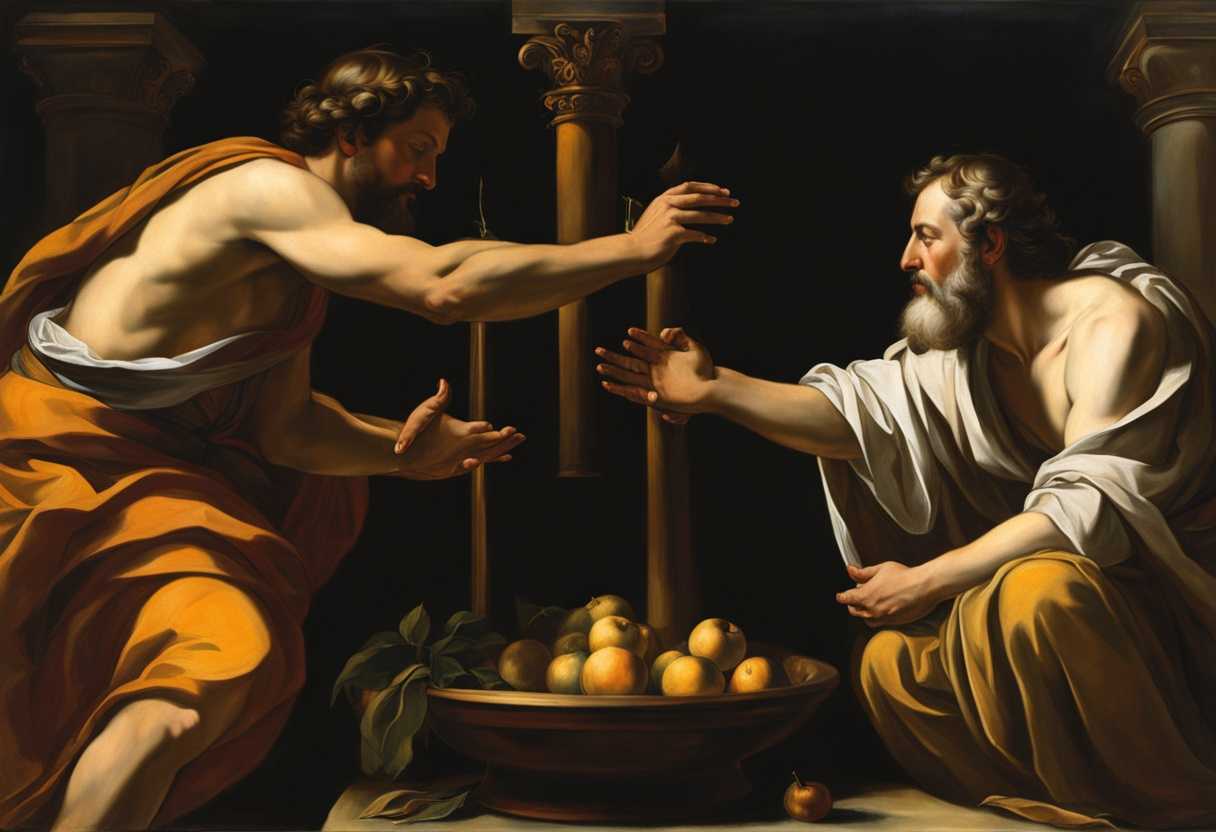
What does 1 Samuel 9-31 really mean?
1 Samuel 9-31 is about the prophet Samuel anointing Saul as the first king of Israel, symbolizing the transition from a decentralized tribal leadership to a centralized monarchy under God’s guidance. 1 There was a man of Benjamin whose name was Kish, the son of Abiel, son of Zeror, son of Becorath, son of Aphiah,…
-

What does Genesis 41:39-41 really mean?
Genesis 41:39-41 is about how Joseph’s wisdom and administrative skills were recognized by Pharaoh, leading to Joseph being placed in charge of all of Egypt. 39 Then Pharaoh said to Joseph, “Since God has shown you all this, there is none so discerning and wise as you are. 40 You shall be over my house,…
-

What does 1 Samuel 26:21 really mean?
1 Samuel 26:21 is about David acknowledging Saul’s influence and power as God’s anointed king, and declaring his commitment to not harm him despite the opportunities to do so. 21 Then Saul said, “I have sinned. Return, my son David, for I will no more do you harm, because my life was precious in your…
-
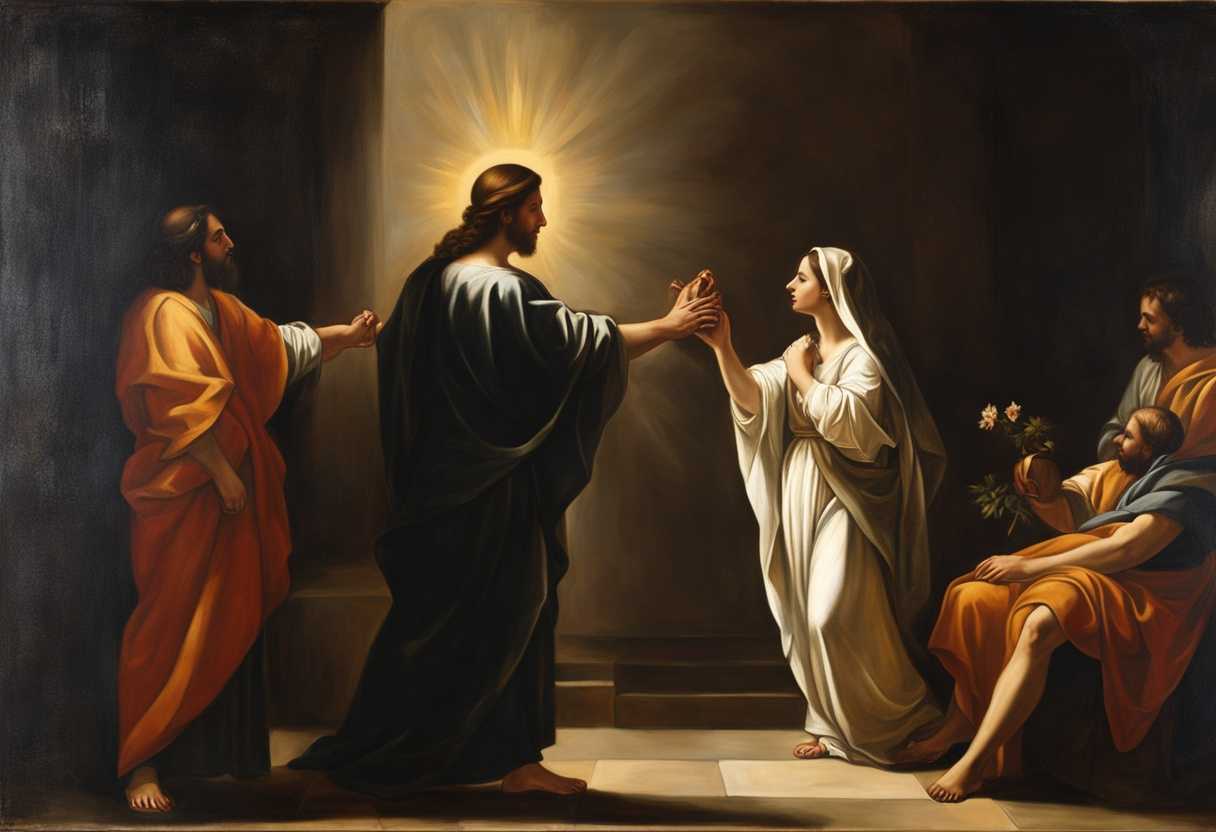
What does Luke 8:40-42, 49-56 really mean?
Luke 8:40-42, 49-56 is about the power and compassion of Jesus Christ, as demonstrated through the healing of Jairus’ daughter and the woman with the issue of blood, showcasing his ability to bring new life and wholeness to the broken and afflicted. 40 Now when Jesus returned, the crowd welcomed him, for they were all…
-

What does Matthew 13:1-9, 18:23 really mean?
Matthew 13:1-9, known as the Parable of the Sower, is about the varying responses people have to the message of God, with some receiving it eagerly and bearing fruit, while others do not allow it to take root due to distractions and challenges; whereas Matthew 18:23 emphasizes the importance of forgiveness, illustrating through the Parable…
-

What does 2 Chronicles 12:15-16 really mean?
2 Chronicles 12:15-16 is about King Rehoboam’s reign where he did evil in the sight of the Lord, leading to Judah’s fall and eventual plundering by Egyptian forces due to his disobedience and lack of commitment to God. 15 Now the acts of Rehoboam, from first to last, are they not written in the chronicles…