
Author: Reverend Michael Johnson
-

What does Matthew 26-27 really mean?
Matthew 26-27 is about the events leading to the trial, crucifixion, and death of Jesus Christ, highlighting themes of betrayal, sacrifice, and the fulfillment of prophecy, as well as the profound implications of redemption for humanity through His suffering. 26 When Jesus had finished all these sayings, he said to his disciples, 2 “You know…
-
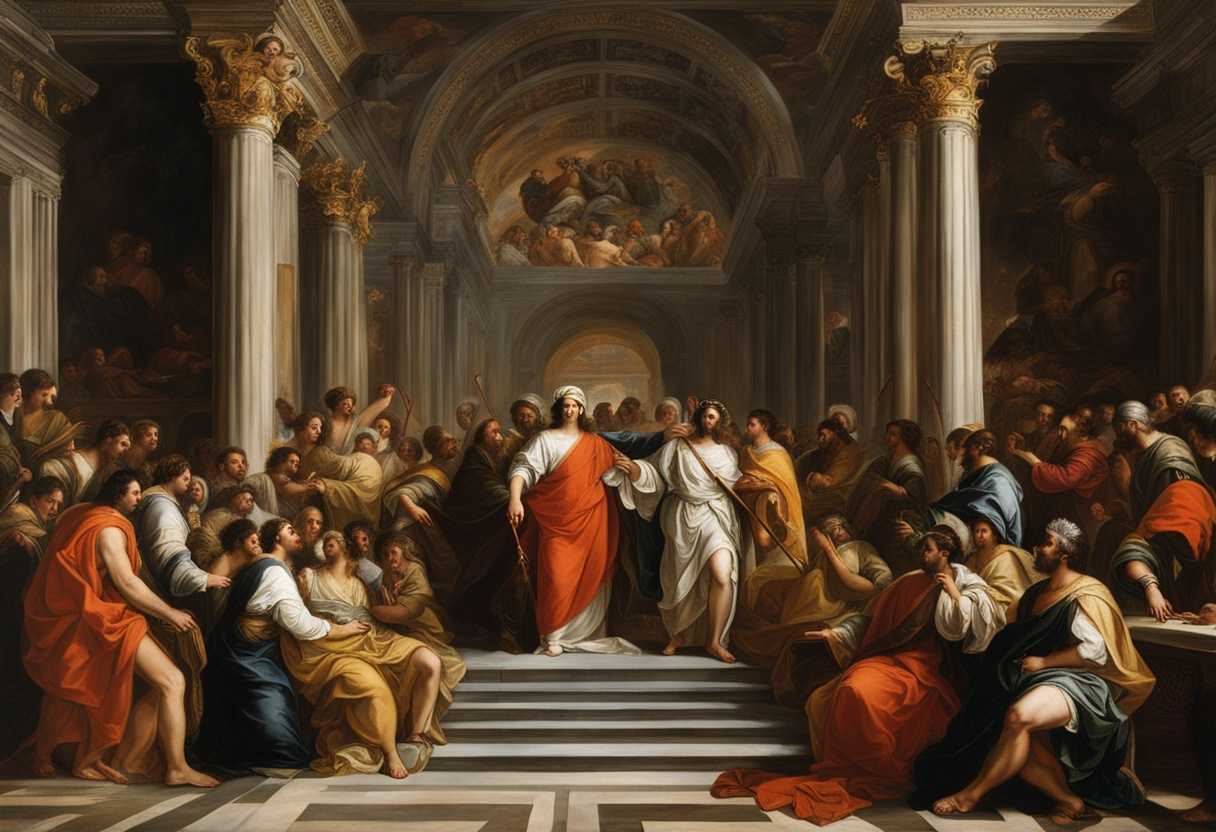
What does 2 Chronicles 23:16 really mean?
2 Chronicles 23:16 is about the establishment of a covenant between the newly crowned King Joash and the people, symbolizing a commitment to serve the Lord and uphold the worship of Him, signifying hope for spiritual renewal and restoration in Judah. 16 And Jehoiada made a covenant between himself and all the people and the…
-

What does Matthew 26:49-50 really mean?
Matthew 26:49-50 is about Judas Iscariot betraying Jesus with a kiss, symbolizing the deep betrayal and moral failure that leads to Jesus’ arrest, highlighting themes of loyalty, deception, and the fulfillment of prophecy in the context of the Passion narrative. 49 And he came up to Jesus at once and said, “Greetings, Rabbi!” And he…
-

What does 2 Chronicles 24:17-22 really mean?
2 Chronicles 24:17-22 is about the pivotal moment when King Joash, after being influenced by the priests and leaders, turns away from the covenant with God and allows idolatry to flourish in Judah, ultimately leading to the tragic consequences of rejecting prophetic guidance and moral accountability. 17 Now after the death of Jehoiada the princes…
-

What does 2 Chronicles 28:5-6 really mean?
2 Chronicles 28:5-6 is about the consequences of King Ahaz’s disobedience and idolatry, illustrating how his unfaithfulness to God led to divine judgment and the military defeat of Judah by the Arameans, ultimately serving as a cautionary tale about the importance of faithfulness to God’s covenant. 5 Therefore the Lord his God gave him into…
-

What does 2 Chronicles 14:1-15 really mean?
2 Chronicles 14:1-15 is about King Asa of Judah calling upon the Lord for help against a powerful enemy, demonstrating the importance of relying on God in times of trouble and the blessings that come from obedience and faithfulness. 1 Abijah slept with his fathers, and they buried him in the city of David. And…
-

What does Matthew 5:8-9 really mean?
Matthew 5:8-9 is about the blessing bestowed upon those who are pure in heart, emphasizing that their righteousness allows them to see God, and it highlights the importance of being peacemakers, suggesting that true discipleship involves both inner purity and active efforts to foster harmony among people. 8 “Blessed are the pure in heart, for…
-
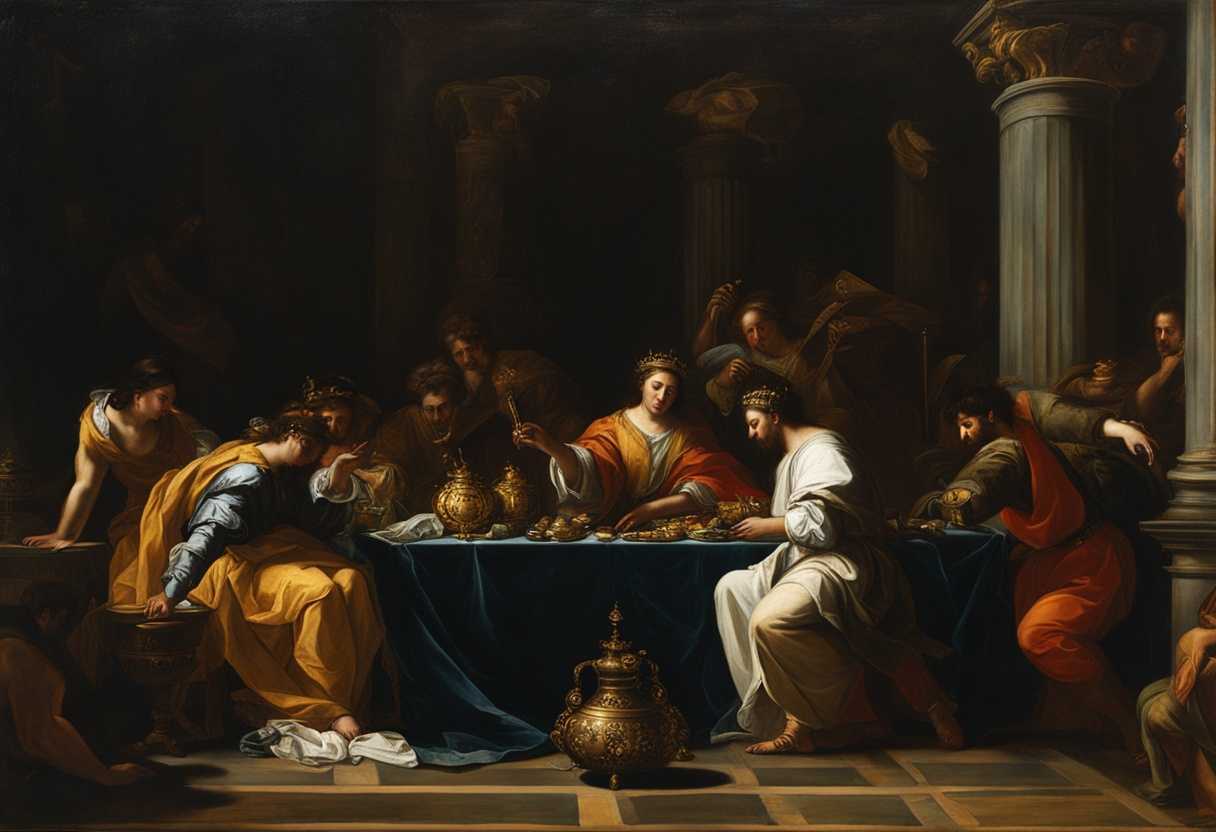
What does 2 Chronicles 28:20-21 really mean?
2 Chronicles 28:20-21 is about the consequences of seeking alliances with foreign powers instead of relying on God, as it illustrates how King Ahaz of Judah faced challenges and ultimately turned to treasures from the house of the Lord and the king’s palace to bribe the Assyrians, rather than seeking divine help, highlighting the theme…
-

What does Micah 1:6 really mean?
Micah 1:6 is about the impending judgment and destruction that will come upon Samaria, symbolizing God’s displeasure with the moral and spiritual corruption of His people, highlighting the consequences of their sins. 6 Therefore I will make Samaria a heap in the open country, a place for planting vineyards, and I will pour down her…
-

What does 2 Chronicles 3:17 really mean?
2 Chronicles 3:17 is about the completion of the construction of the Temple in Jerusalem, symbolizing God’s dwelling place on earth and the significance of worship and devotion in the lives of the Israelites. 17 He set up the pillars in front of the temple, one on the south, the other on the north; that…