
Author: Reverend Michael Johnson
-

What the Bible: Understanding the Gutenberg Bible’s Significance
The Gutenberg Bible, printed by Johannes Gutenberg in the 15th century, is considered the first major book printed using movable type, making it significant in the spread of the Bible and literacy in Europe. It represents the beginning of the printing revolution and the democratization of access to biblical texts. Scripture 27 And the Lord…
-
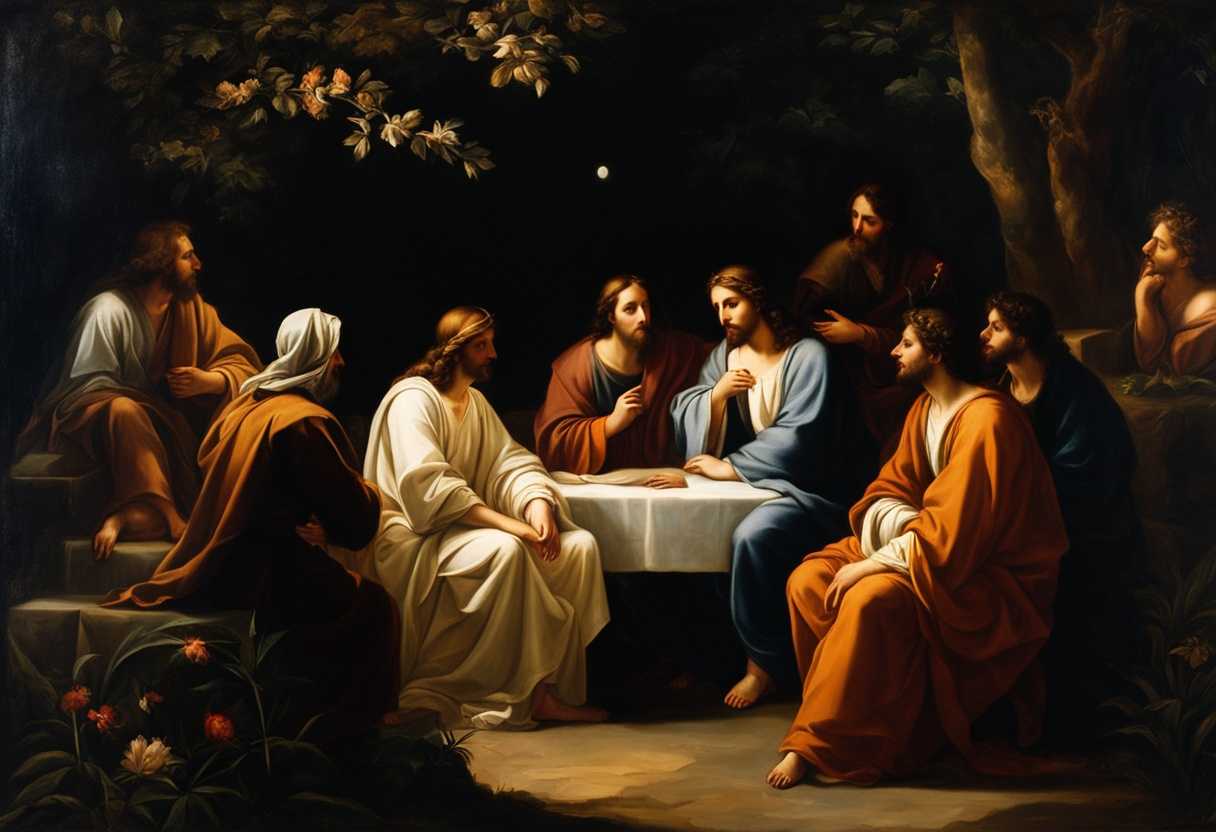
What the Bible Says About “The Flesh is Weak”
The phrase “the flesh is weak” originates from Matthew 26:41, where Jesus tells his disciples to “watch and pray” because “the spirit indeed is willing, but the flesh is weak.” This highlights the human tendency to succumb to temptation and fail in spiritual vigilance despite a desire to do what is right. Scripture 36 Then…
-

What the Bible Says About the Definition of Forsook
In the Bible, “forsook” refers to the act of abandoning or leaving behind, often in the context of a person turning away from God or renouncing faithfulness. It signifies a deliberate choice to ignore or reject a relationship, as seen in various scriptures that describe individuals or nations turning away from God’s commandments. Scripture 15…
-

“What the Bible Says: Understanding the Thayer Definition”
Thayer’s Greek Lexicon is a comprehensive reference tool that provides definitions, etymologies, and usages of Greek words found in the New Testament. It aims to aid in the understanding of biblical texts by offering insights into the meanings and contexts of the original Greek vocabulary. Scripture 1 Seeing the crowds, he went up on the…
-

What the Bible Says About Being Satiated
In the Bible, “satiated” refers to being fully satisfied or filled, often in a spiritual or physical sense. It can denote the abundance of God’s provision, as seen in passages like Psalm 107:9, which expresses how God fulfills the longing of the soul. Scripture 29 Once when Jacob was cooking stew, Esau came in from…
-

What the Bible Says About the Meaning of Valour
In the Bible, “valour” denotes great courage in the face of danger, often associated with military bravery and moral strength. It reflects a quality of boldness and determination to stand firm in righteousness, as exemplified in passages such as 1 Chronicles 11:12-14, which describes the mighty men of David who displayed exceptional valor in battle.…
-

What the Bible Says About Sheol: Understanding Its Meaning
In the Bible, “shew” is an archaic term meaning to demonstrate, display, or reveal something. It often appears in contexts where God instructs people to manifest His will or truths to others. Scripture 22 There I will meet with you, and from above the mercy seat, from between the two cherubim that are on the…
-

What the Bible Says About Being the Salt of the Earth
In the Bible, “salt of the earth” refers to believers who positively influence and preserve moral values in society, as depicted in Matthew 5:13. It signifies the idea that Christians are meant to enhance the world through righteous living and ethical conduct, much like salt enhances flavor and acts as a preservative. Scripture 13 “You…
-

What the Bible Says About Whitewashed Walls: Understanding the Meaning
In the Bible, “whitewashed walls” metaphorically refer to individuals or systems that appear clean and righteous on the outside but are corrupt or deceitful within. This imagery is found in Ezekiel 13:10-15, where it criticizes false prophets who flatter and mislead the people. Scripture 10 Precisely because they have misled my people, saying, ‘Peace,’ when…
-

What the Bible Says About Wild Beasts
In the Bible, “wild beasts” often symbolize dangerous, untamed forces or nations, as seen in various prophetic and apocalyptic texts. They can also represent chaos and evil, contrasted with the order found in God’s creation (e.g., Psalm 50:10, Daniel 7:3). Scripture 24 And God said, “Let the earth bring forth living creatures according to their…