
Author: Reverend Michael Johnson
-

What does Hosea 14:7 really mean?
Hosea 14:7 is about the promise of restoration and growth for those who return to God, where they will flourish like a beautiful vine and be known for their fragrance like the wine of Lebanon. 7 They shall return and dwell beneath my shadow; they shall flourish like the grain; they shall blossom like the…
-

What does Ezekiel 16:15 really mean?
Ezekiel 16:15 is about how Jerusalem, symbolized as a woman, became prideful and unfaithful to God by using the gifts He had given her for self-indulgence and idolatry instead of glorifying Him. 15 “But you trusted in your beauty and played the whore because of your renown and lavished your whorings on any passerby; your…
-

What does Hosea 2:6-13 really mean?
Hosea 2:6-13 is about the consequences of Israel’s unfaithfulness and idol worship, likened to a wayward wife who is being disciplined by God but will ultimately be brought back into a loving relationship with Him. 6 Therefore I will hedge up her way with thorns, and I will build a wall against her, so that…
-

What does Numbers 19:20-22 really mean?
Numbers 19:20-22 is about the purification ritual using the ashes of the red heifer to cleanse individuals who have come into contact with a dead body, symbolizing the need for spiritual cleansing and purification from the defilement of sin. 20 But the man who is unclean and does not cleanse himself, that person shall be…
-

What does Leviticus 14:4 really mean?
Leviticus 14:4 is about the purification process for those afflicted with skin diseases, symbolizing the cleansing and restoration of one’s spiritual purity and community reintegration after a period of isolation and repentance. 4 the priest shall command them to take for him who is to be cleansed two live clean birds and cedarwood and scarlet…
-

What does Numbers 19:14-16 really mean?
Numbers 19:14-16 is about the purification ritual involving the ashes of a red heifer for cleansing from contact with death, emphasizing the importance of spiritual purity and the need for atonement in ancient Israelite society. 14 “This is the law when a man dies in a tent: everyone who comes into the tent and everyone…
-
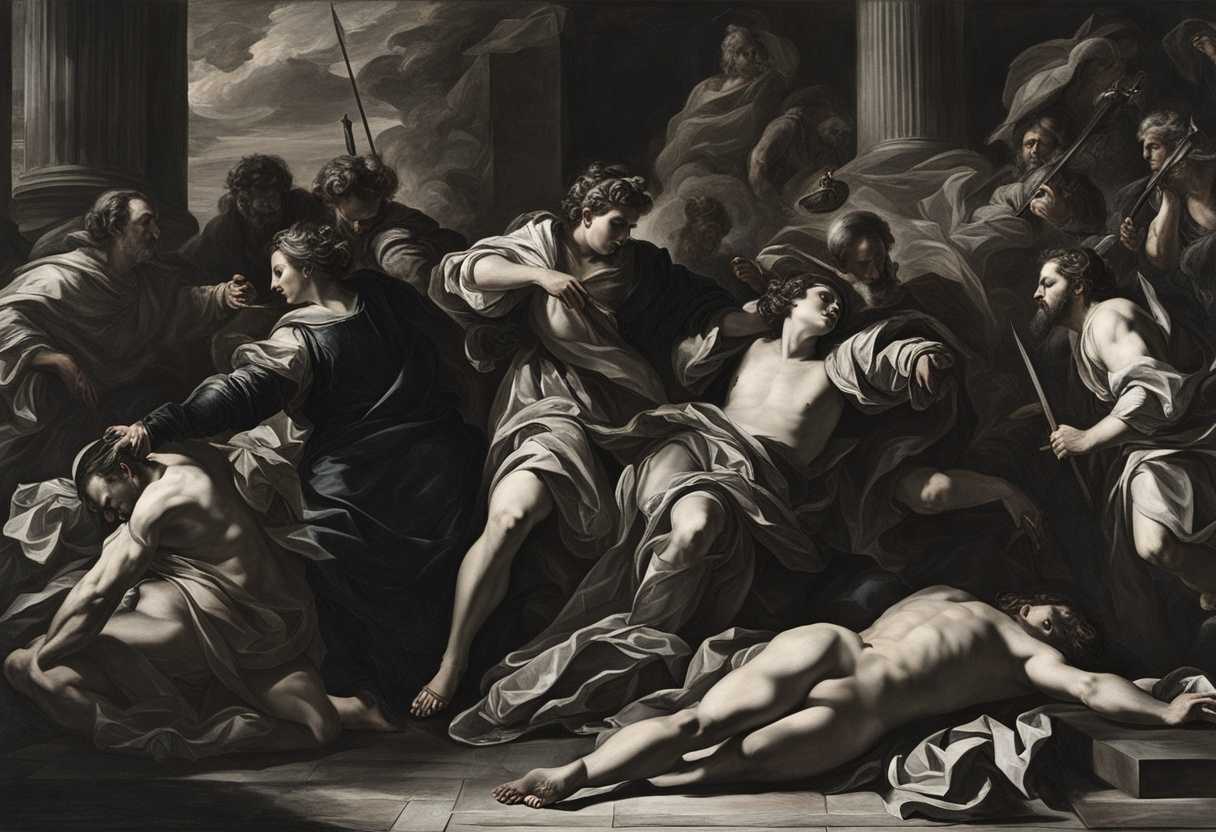
What does Isaiah 13:8 really mean?
Isaiah 13:8 is about the imminent and terrifying judgment of God coming upon the wicked, causing them to tremble in fear and agony. 13 I will punish the world for its evil, and the wicked for their iniquity; I will put an end to the pomp of the arrogant, and lay low the pompous pride…
-

What does Deuteronomy 31:24-29 really mean?
Deuteronomy 31:24-29 is about Moses reminding the people of Israel that they will face consequences if they turn away from God and follow other gods, emphasizing the importance of staying faithful to the covenant with the Lord. 24 When Moses had finished writing the words of this law in a book to the very end,…
-

What does Numbers 32:1-5 really mean?
Numbers 32:1-5 is about the tribes of Reuben and Gad requesting to settle in the land conquered on the east side of the Jordan River, symbolizing the importance of seeking permission and guidance before making decisions that may affect the community as a whole. 1 Now the people of Reuben and the people of Gad…
-

What does Lamentations 3:6 really mean?
Lamentations 3:6 is about the speaker feeling trapped and confined by darkness, symbolizing despair and hopelessness. 6 He has made me dwell in darkness like the dead of long ago. Setting the Scene for Lamentations 3:6 The scene in Lamentations 3:6 depicts a desolate and sorrowful setting, reflecting the deep anguish and despair of the…